

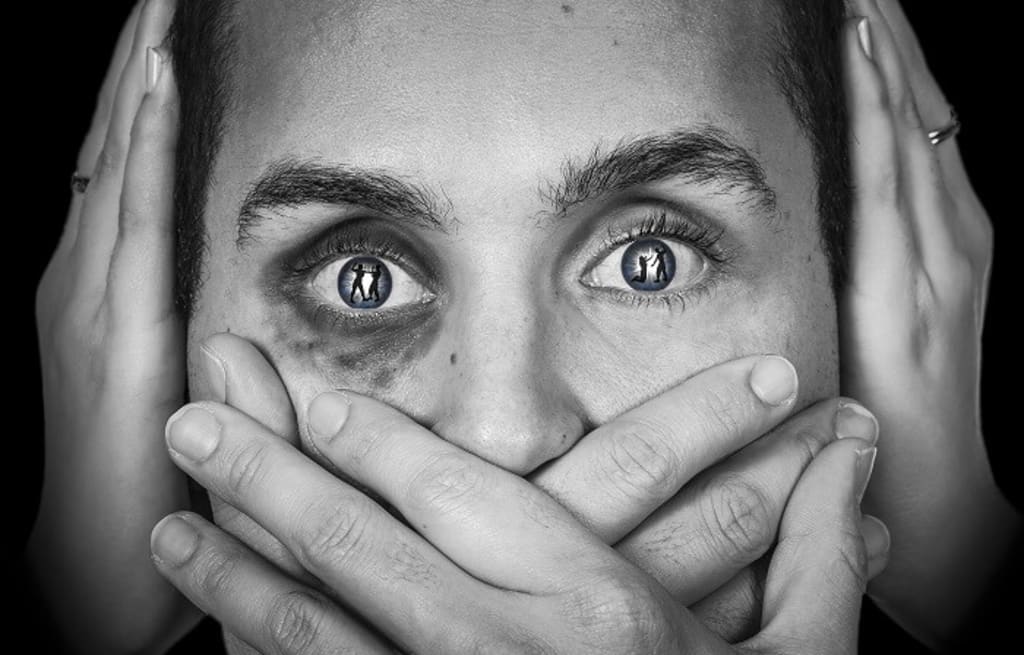
Abuse is the improper usage or treatment of a thing, often to unfairly or improperly gain benefit. Abuse can come in many forms, such as: physical or verbal maltreatment, injury, assault, violation, rape, unjust practices, crimes, or other types of aggression.
Child Abuse. What is it?
Child abuse and neglect is any recent act or failure to act on the part of a parent or caretaker, which results in death, serious physical or emotional harm, sexual abuse or exploitation of a child. It is an act or failure to act which presents an imminent risk of serious harm to a child.
(U.S. Child Abuse Prevention and Treatment Act)
These types of abuse are more typically found in combination than
alone.A physically abused child, for example, is often emotionally
abused, and a sexually abused child also may be neglected.
Introduction
The following descriptions will give you an idea of what each type of abuse includes.
Who does it happen to?
A child of any age, sex, race, religion, and socioeconomic background can fall victim to child abuse and neglect.
What are the four types of abuse you may ask ?
the Four types of abuse:
1. Physical abuse
2. sexual child abuse (Rape, molestation, child pornography production and possession)
3. neglect (Physical neglect, educational neglect, and
emotional neglect)
4. Emotional abuse (Aka: Verbal, Mental, or Psychological abuse)
1. PhysiCal abusE
Physical child abuse is the non-accidental infliction of physical
injury to a child.
Characterized by injury, such as bruises, lesions and fractures that result from hitting (hand, stick, strap, or other object), punching, shaking, kicking, beating, choking, burning (with open flame or hot objects – boiling water, cigarettes), throwing, stabbing or otherwise harming a child.
The parent or caretaker need not have intended to hurt the child for it to constitute physical abuse.
Other specific types of physical child abuse include:
► shaken baby syndrome (sbs) is the collection of signs and symptoms resulting from the violent shaking of a baby that can cause tearing of the brain lining (dura), bleeds, permanent brain injury, or death.
► munchausen by Proxy syndrome Inducing medical illness in a child or wrongly convincing others that a child is sick. It reflects a profoundly dysfunctional relationship between parent and child. The most current literature and scientific thinking on this is that it is a manifestation of an extreme form of attachment disorder.► alcohol, cigarette or drug use during pregnancy. Alcohol use can lead to Fetal Alcohol Syndrome. Cigarette use can pre-condition a child to cancer. Drug and alcohol use can cause the baby life-long retardation and injury.
Physical abuse indicators include when the child:
► Reports injury by a parent or another adult caregiver.
► Has unexplained burns, bites, bruises, broken bones, black eyes,
or welts in the shape of an object (wire hanger, stick, belt, etc).
► Has fading bruises or other noticeable marks.
► Seems frightened of the parents and protests or cries when it is time to go home.
► Flinches or cowers at the approach of adults. Consider the possibility of physical abuse when the parent or other adult caregiver:
► Offers conflicting, unconvincing, or no explanation for the child's injury.
► Describes the child as ‘evil,’ or other negative way.
► Uses harsh physical discipline with the child
2. sExual abusE
Any sexual behavior with - or sexual exploitation of - a child. There are three types of sexual offenses against children: Rape, molestation, distribution or production or possession of child pornography. Any vaginal or anal intercourse with a child is rape. A child cannot legally give consent to sexual activity. Sexual abuse is never a child’s fault. Child sexual abuse includes a wide range of behaviors, including:
► Rape: vaginal or anal penile penetration.
► Oral sex by or to any adult.
► Genital contact with no intrusion.
► Fondling of a child's breasts or buttocks.
► Indecent exposure.
► Production, distribution or possession of child pornography.
► Sexual Exploitation: Use of a child in prostitution, pornography. Most sexual abuse (90%) is incest perpetrated by a family member or someone the child knows, including those in biological families, adoptive families, and stepfamilies. Strangers account for 10% of sexual abuse. Incest most often occurs within a father-daughter relationship; however, mother-son, father-son, and sibling-sibling incest also occurs. Sexual child abusers can be: fathers, mothers, siblings, relatives, friends, childcare professionals, babysitters, teachers, clergy, athletic coaches, foster-parents, neighbors, and strangers Some signs of sexual child abuse:
► Inappropriate interest in or knowledge of sexual acts.
► Seductive behavior by a child.
► Avoidance of things related to sexuality, or rejection of own genitals or body.
► Over-compliance or excessive aggression.
► Fear of a particular person or family member.
► Uninhibited behavior. Sexual abuse may have occurred when the child:
► Reports sexual abuse by a parent or another adult caregiver.
► Has difficulty walking or sitting.
► Changes in behavior, including discipline problems, fecal soiling, bed wetting, insomnia, nightmares, depression, changes in appetite.
► Suddenly refuses to change for gym or to participate in
physical activities.
► Demonstrates bizarre, sophisticated, or unusual sexual knowledge or behavior.
► Becomes pregnant or contracts a venereal disease, particularly if under age 14.
► Runs away
3. Neglect
Neglect is a pattern of failing to provide for a child's basic needs. It is abuse through omission; of not doing something resulting in significant harm or risk of significant harm.
There are four types of neglect: physical neglect, medical neglect, educational neglect and emotional neglect.
1. Physical neglect: Failure to provide food, weather appropriate clothing, supervision, a safe and clean home.
2. medical neglect: Failure to provide the necessary medical or dental care for a child’s condition.
3. Educational neglect: Failure to enroll a school-age child in school or to provide necessary special education. Allowing excessive absences from school.
4. Emotional neglect: Failure to provide emotional support, love, and affection to a child. Exposure of a child to spousal, pet, or drug and alcohol abuse.
Consider the possibility of neglect when the child:
► Is frequently absent from school.
► Is excessively hungry.
► Begs or steals food or money.
► Lacks needed medical or dental care, immunizations, or glasses.
► Is consistently dirty.
► Has severe body odor.
► Lacks sufficient weather appropriate clothing.
► Abuses alcohol or other drugs.
► Apparent lack of supervision at home. Failure to thrive is a condition in which children fail physically to develop to their normal full genetic potential. It may be caused by medical (organic) circumstances or parental neglect (inorganic) that prevent the child from growing as expected. The cause can be determined by monitoring a child in a hospital setting to see if they put on weight through a regular feeding schedule.
4. Emotional abusE
(Aka: verbal abuse, mental abuse, and psychological maltreatment) Emotional child abuse is any attitude, behavior, or failure to act that interferes with a child's mental health or social development. A repeated pattern of caregiver behavior or extreme incident(s) that convey to children that they are worthless, flawed, unloved, unwanted, endangered, or only of value in meeting another's needs. It can range from a simple verbal insult to an extreme form of punishment. Emotional abuse is almost always present when another form of abuse is found. Emotional abuse can have more long lasting negative psychiatric effects than either physical abuse or sexual abuse.
Emotional abuse is illustrated by:
► Belittling, rejecting, ridiculing, blaming, scapegoating, bullying.
► Terrorizing, threatening violence or fearful conditions.
► Isolating, confinement, restricting the child from m social interactions, etc.
► Exploiting or corrupting.
► Denying the child an emotional response.
► Deliberately not talking to a child for an extended amount of time.
Indications:
► Shows extremes in behavior - overly compliant or demanding behavior, extreme passivity, or aggression.
► Is either inappropriately adult (e.g. parenting other children, their own
parent, caregiver or siblings) or inappropriately infantile (e.g. frequently rocking or head-banging).
► Is delayed in physical or emotional development.
► Has attempted suicide.
► Reports a lack of attachment to the parent. Child abuse crosses all racial, economic and cultural lines. Sometimes families who seem to have it all from the outside are hiding a different story behind closed doors. If you suspect that a child is being abused call the police or child welfare agency.
KNOWN FACTS
1.How common is psychological abuse? 8.3% of men). Overall, emotional abuse within intimate relationships is common in the United States (US) and is likely the most pervasive form of relationship maltreatment.
Despite what the general population may believe, research has begun to identify a growing trend of women as victimizers in their relationships. It is very hard to consider the idea of women’s violence. Some of the objections to this idea are: This is blaming the victim; Women hit only in self-defense; We should not ignore thousands of years of oppression of women and the whole social context of patriarchy and men’s power and control over women; Discussing women’s violence diminishes the responsibility of men’s violence; Women are inherently peaceful, they will turn to violence only in self-defense. However, we believe that ignoring the problem of female batterers is likely to increase the danger to the women themselves and to have a terrible effect on the children. Facing the problem is obvious the first step in the process of preventing violence and healing for the family.
Short Summary Of The Facts And Complexities Involved With Female Battering:
Approximately 835,000 men are battered each year by their partners.
Men are less likely to report domestic violence by their female partners due to shame, machismo, fear of humiliation by police and male peers, and even fear of retaliation by their perpetrators.
While many women who commit Intimate Partner Violence are simply defending themselves against assaults by their partners, as many as 80% of women who murder their husbands have histories of violence and often have extensive criminal records.
Recent research suggests that women may commit domestic violence because they think they can “get away with it.”
Research has identified that on many occasions women who feel unheard in their relationship may commit violent acts to get their partner’s attention. * According to recent research, men do not perceive violent acts committed against them by female partners as “domestic violence.
Individuals use whatever form of violence proves most effective for them: men, with greater physical strength, use direct physical violence, while women are more likely to use weapons in their violent acts against their partners.
From a Social Policy perspective it is important to recognize that while there may be equal acts of violence by men and women against one another, there may be heightened danger for women who commit even minor acts of violence due to the potential for retaliation.
By inducing shame, as often proscribed in the popular Duluth Model, male perpetrators can be prompted to greater feelings of rage rather than increased feelings of empathy for their victims.
In many states couples therapy is prohibited for men who have been involved in domestic violence, even though women have been actively involved in the violence. This may result in greater danger to women.
Family Systems Theory has been useful as it emphasizes the mutual contribution of the partners and interprets mutual effects of violence in the relationship, eliminating assigning fault or negative consequence for any single party in a relationship.
Domestic violence is a problem that exists for the couple. It is a system of violence rather than the men’s problem. It is a social and familial problem and should be attended to at that level.
ANY ABUSE SHOULD SEE COUNSELING IMMEDIATELY...
About the Creator
CARTIER JAY
Wassup Wassup You GUYS AND LADIES i am CARTIER JAY the best influencer ,motivational speaker of generational time i am here to motivate you with my vlogs and books to help you succeed in life or work out personal problems and life join me.
Keep reading
More stories from CARTIER JAY and writers in Psyche and other communities.
WANNA BE RICH
How to Become Rich in 10 Easy Ways REAL MONEY TALK Most people, if not all of us, want to live in financial comfort and stability. We want to be rich, to be able to buy anything we want, and to have access to a premium lifestyle. While the end goal is clear, it’s hard to know where to begin your journey to being wealthy.
By CARTIER JAY5 years ago in Lifehack
Society Often Teaches Us to Suppress Our Sad Feelings, Branding Them as Negative.
Allow yourself the time to feel, process, and let go. What a journey we’ve traveled together. You can relate to that pain that appears out of nowhere and wants to linger in our minds. Once fear moves in, it takes root—spreading doubt, loneliness, and confusion It’s that kind of pain that overtakes your mental health, gradually making a home within you. Your thoughts can create a space filled with fear, a feeling that we often cling to because it’s the one our minds use against us—leading to a fierce battle between your thoughts and your feelings. It’s a struggle no one wants to lose, yet losing yourself feels like an ever-present threat. Isn’t that a trick life plays on us?
By Johana Torres14 days ago in Psyche
This Show Makes You Suspicious on Purpose
At first, it feels harmless. You sit down to watch His & Hers the way you sit down to watch any thriller. Lights dimmed. Phone face-down. A body on screen. A mystery to solve. Two people telling the same story in different voices. You tell yourself this is entertainment. Suspense. Craft.
By Aarsh Malika day ago in Psyche




Comments
There are no comments for this story
Be the first to respond and start the conversation.