
Why I’m Proud of My Roots: A First-Generation Immigrant’s Voice
Why I’m Proud of My Roots: A First-Generation Immigrant’s Voice

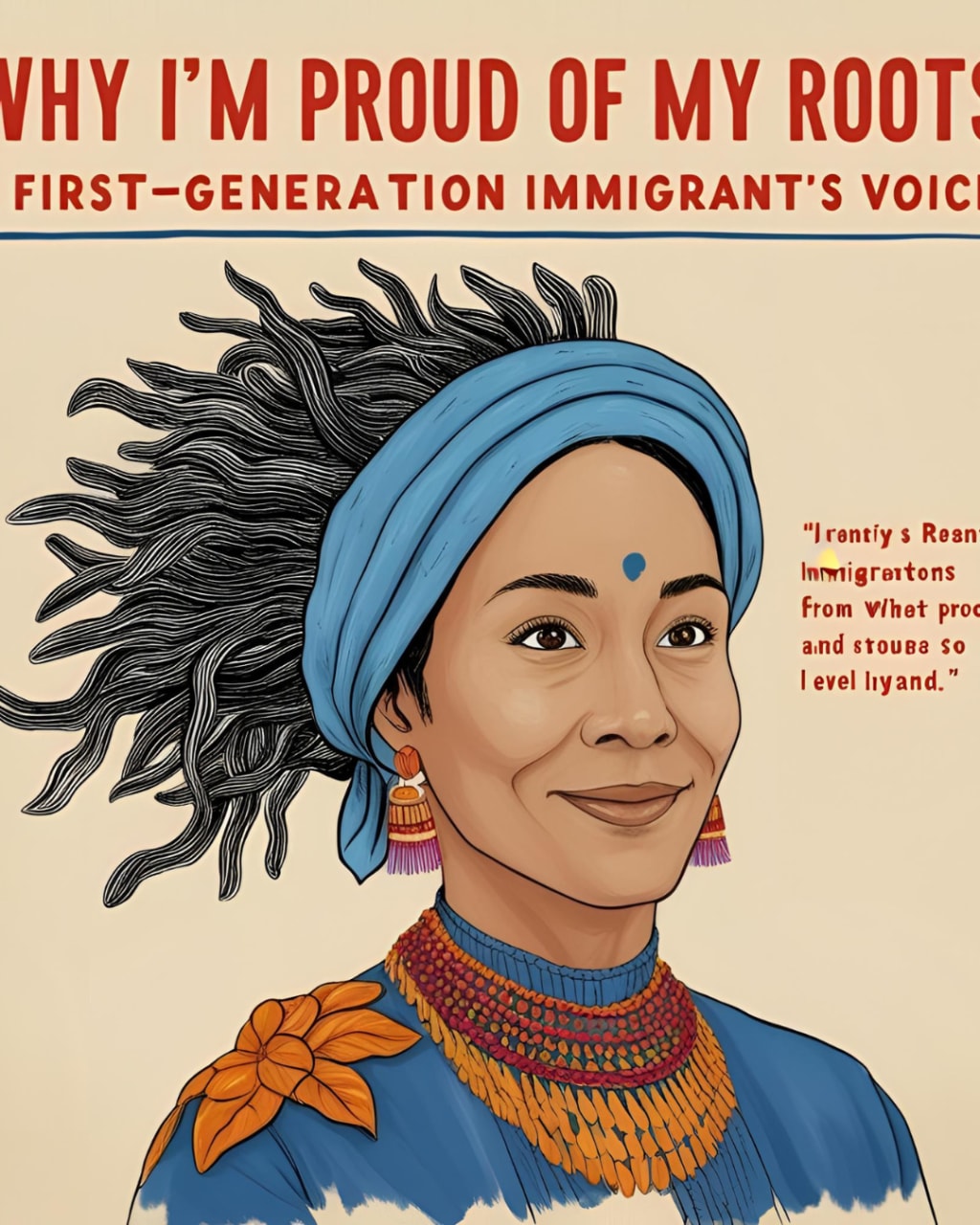
Why I’m Proud of My Roots: A First-Generation Immigrant’s Voice
Introduction: Who I Am and Where I Come From
They say identity is a journey. For me, it has been an ocean—deep, unpredictable, and endlessly vast. I was born in a land where my name was not strange, my accent was not noticeable, and my food didn’t need translation. But that land became a memory when my family moved across continents, chasing a better life and sacrificing almost everything familiar to start from zero. I became a first-generation immigrant overnight—young, confused, and silently holding the weight of two worlds.
When people ask where I’m from, I hesitate. I’ve learned to smile politely and give a simple answer, but the truth is more layered. I’m from the smell of turmeric in my mother’s kitchen, the sound of evening prayers echoing from rooftops, the laughter of cousins during monsoon rains. I’m also from the late-night homework marathons in a foreign tongue, the isolation of cultural confusion, and the slow burn of becoming.
My story is not just about migration—it’s about transformation. It’s about finding pride in my roots even as I learned to grow new ones in unfamiliar soil. This story is my voice as a first-generation immigrant. It is a reflection of pain, growth, joy, and above all—pride.
The Weight of Two Worlds
Growing up as a first-generation immigrant meant living a double life. At home, I was immersed in the culture of my parents—language, customs, food, values. At school and outside, I tried to blend into a world that often didn’t understand, and sometimes didn’t accept, my “otherness.”
I learned to code-switch fluently, changing my tone, words, and even body language depending on who I was speaking to. One minute I was speaking in my native language to my grandmother, the next I was mimicking the slang of my classmates to avoid sticking out. This constant toggling created a silent exhaustion but also taught me resilience.
Food was one of the first cultural battlegrounds. I remember opening my lunchbox to find traditional dishes that filled the air with aroma—and shame. I was embarrassed when classmates laughed or made faces. I begged my mom to pack me “normal” food, not understanding that what made me different was also what made me rich in culture.
Language was another challenge. My tongue stumbled over foreign sounds, and my accent became a source of ridicule. I avoided speaking in class. I feared being laughed at. But inside me was a storm of thoughts in two languages—neither fully fluent, but both deeply rooted.
Despite the challenges, living between two worlds has been a unique education. It has made me more empathetic, more observant, more adaptable. It has given me the gift of perspective, and for that, I am thankful.
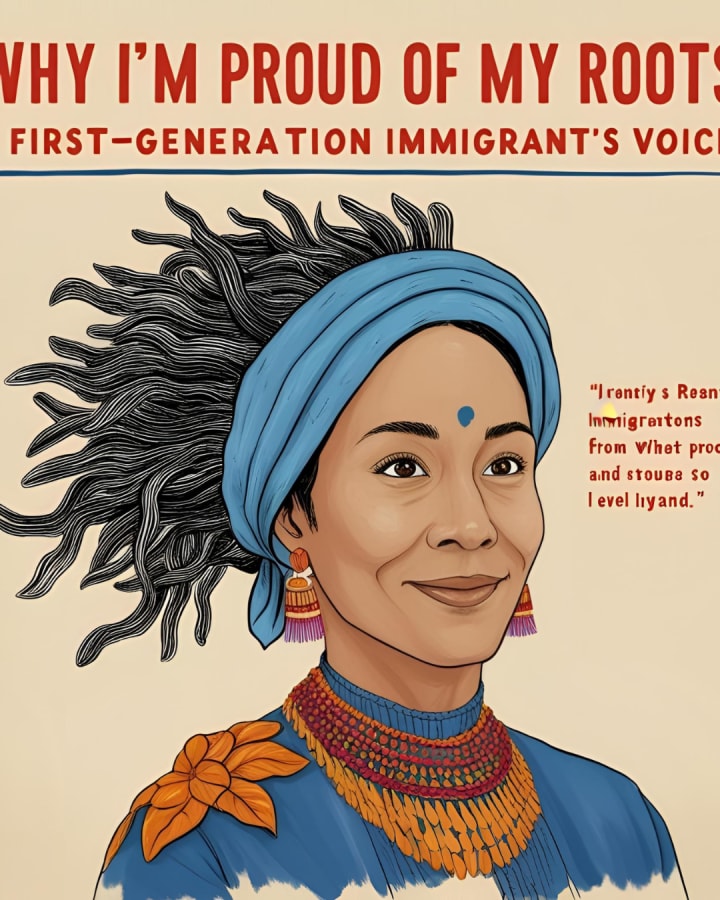
What I Left Behind: Memory and Identity
Even as I grew up in my adopted country, a part of my heart remained tethered to my homeland. I remembered the narrow streets of my childhood, the festivals that lit up the night, the lullabies my mother sang. I remembered the scent of rain on dry earth, the warmth of extended family, and the stories that lived in every corner of our neighborhood.
Our visits back home were rare but sacred. Each trip was a pilgrimage to reclaim parts of myself I feared losing. I walked familiar roads with unfamiliar feet. The language returned to my lips slowly, like an old friend. I realized then that roots are not severed by distance—they are watered by memory.
Holding on to my identity was not always easy. There were times I wanted to forget—to fully assimilate, to not feel the ache of duality. But I couldn’t. My culture was in my skin, my voice, my heart. It was in the way I honored elders, the metaphors I used, the music I loved.
I learned to carry my identity like an heirloom. Not as a burden, but as a legacy. And slowly, I began to see that what I left behind was not lost—it lived in me.
The Struggles of the First Generation
Being the first in my family to navigate a new country meant being the experiment, the translator, the negotiator, and often, the emotional anchor. I interpreted bills, school documents, and government letters. I helped my parents file taxes before I even understood what taxes were. I stood in as their voice at doctor's offices and school meetings. In a way, I grew up too soon.
There were emotional struggles too. My parents had left behind their careers, reputations, and support networks. Watching them rebuild from scratch—working jobs far below their qualifications—left a permanent imprint on me. I learned humility and sacrifice not from stories, but from my parents’ daily grind.
Academically, I had to set the path without a blueprint. No one could help with college applications or explain the nuances of student loans. I fumbled, failed, and figured it out. Every small victory felt massive because it came with triple the effort.
Despite the constant challenges, or maybe because of them, I developed grit. I learned to speak up even when my voice shook. I became both the student and the teacher in my family’s American journey.
Redefining the American Dream
The version of the American Dream we were sold was shiny—big houses, white picket fences, and career success. Reality was different. It was cramped apartments, night shifts, and second-hand clothes. But along the way, we discovered a different dream—one built on community, resilience, and quiet victories.
We measured success in our own ways: my mother getting her first job in a foreign language, my father finally taking a day off, my younger sibling not needing a translator at the doctor’s. We found pride in small moments. And in those moments, we redefined what the American Dream meant for us.
The Cultural Gifts I Carry
As I grew older, I began to reclaim my heritage with pride. I wore my traditional clothes with confidence. I cooked the dishes I once hid. I began writing and speaking in both languages, honoring each equally. I realized that I didn’t have to choose between identities—I could be both.
Our culture taught me the power of family, the strength in community, and the beauty of shared rituals. It gave me songs to sing when I felt alone, stories to hold when I felt lost, and a moral compass when life got complicated.
I now see my bicultural identity as a superpower. I can see the world through multiple lenses. I can connect with people across divides. I carry generations of wisdom and resilience in my DNA.
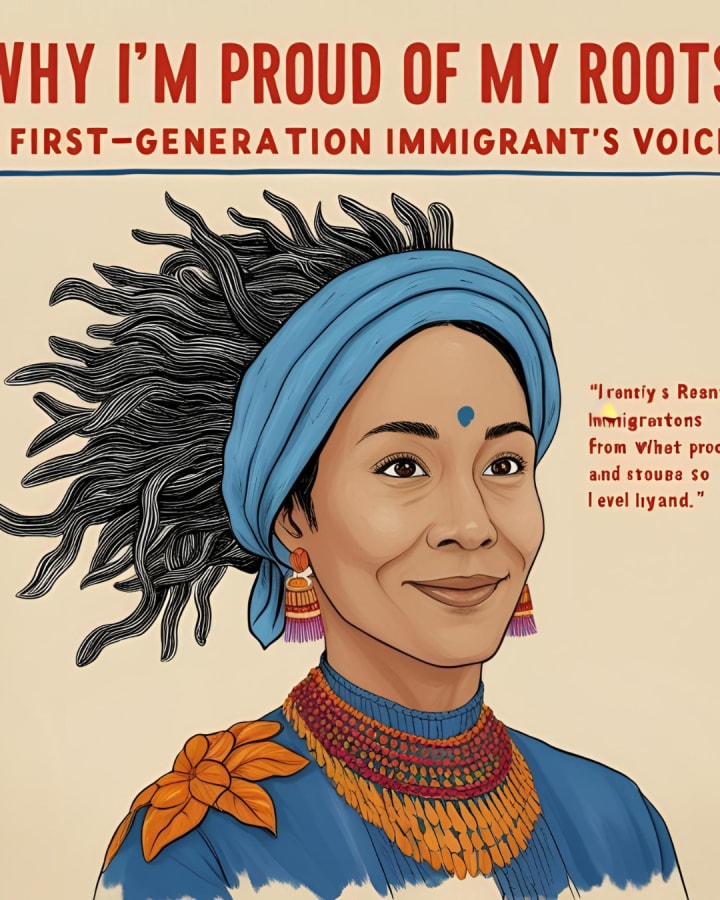
Rooted in Resilience: Lessons from My Journey
Living as a first-generation immigrant taught me that resilience isn’t just surviving hardship—it’s finding meaning in it. Every mispronounced name, every awkward silence in a classroom, every internal battle to fit in without fading away became bricks in the foundation of my character.
I learned that pride is not arrogance—it’s acknowledgment. Acknowledgment of where I come from, who I am, and what my family sacrificed to give me a chance. I watched my parents work jobs far below their qualifications, face discrimination with quiet dignity, and build a home with their bare hands and broken English. Their strength became my inheritance.
In moments when I felt lost or ashamed, I found power in stories—my family’s stories of perseverance, migration, survival, and hope. I realized that I was never alone; I stood on the shoulders of those who came before me. My pride in my roots grew not from perfection but from persistence. From knowing that I come from people who do not give up.
Being different no longer scared me. It empowered me. My accent became a badge of travel, of knowing more than one world. My food, once mocked, became a symbol of richness and diversity. My name, once mispronounced, became a reminder that I carry history in every syllable.
Looking Ahead: The Voice I Carry Forward
Now, when I speak, I speak not just for myself, but for others like me—for the children who hide their culture to feel accepted, for the parents who gave up everything for a better tomorrow, and for the generations yet to come who will navigate the same tightrope of identity.
I dream of a future where hyphenated identities are not seen as halves, but as wholes—where being a [Insert ethnicity]-American, or any dual identity, is not a conflict but a celebration. I hope my voice contributes to a world where diversity is not tolerated but embraced, where difference is not erased but honored.
Pride in my roots does not mean rejection of my adopted home. It means loving both the soil I came from and the soil I now stand on. It means being fluent in more than just language—it means being fluent in empathy, culture, and humanity.
I am proud of my roots not because they are perfect, but because they are mine. Because they tell a story of movement, memory, and meaning. And because they remind me every day that identity is not a destination—it’s a lifelong journey.
This is my truth. This is my pride. This is my voice.
— A First-Generation Immigrant
About the Creator
Afia Sikder
"Hi, I’m Afia Sikder! I love crafting captivating stories, insightful articles, and inspiring Islamic narratives. Follow me for engaging reads that spark thought and emotion!"
Keep reading
More stories from Afia Sikder and writers in Pride and other communities.
The Power of Self-Pride: Why Believing in Yourself Changes Everything ( Last Part )
Chapter 7: Becoming Who You Really Are: Pride and Identity When you stop trying to be someone else and start accepting yourself for who you are, you develop self-pride. That includes everything from your culture to your voice to your past to your gender to your orientation to your dreams to your scars. This chapter discusses the process of discovering, accepting, and owning one's true identity, as well as the means by which doing so grants access to a profound and unwavering sense of pride.
By Afia Sikder11 months ago in Pride
Hottest in the Office
Dear Rafi, You’re very distracting to work around. For the first second I saw you the other day, I thought you were some type of executive. It took a moment to realize no, you were just the new guy, dressed up for the job he wants. Be still, my heart.
By Gabriel Shames3 days ago in Pride
Rani Vanouska T. Modely : Building a Humanitarian Vision Through Football
In an era defined by rapid visibility and short attention cycles, few figures attempt to build projects designed to outlast their own presence. Rani Vanouska T. Modely belongs to that rare category.
By Mark Walker7 days ago in Pride



Comments (1)
This is a powerful piece. I can relate to the code-switching part. I had to do something similar in different social settings. It's tough but necessary. How did you find your way through the cultural confusion? And what advice would you give to others in a similar situation?