
Why Humans Could Be Living Underground in Future
Exploring the potential reasons and possibilities.

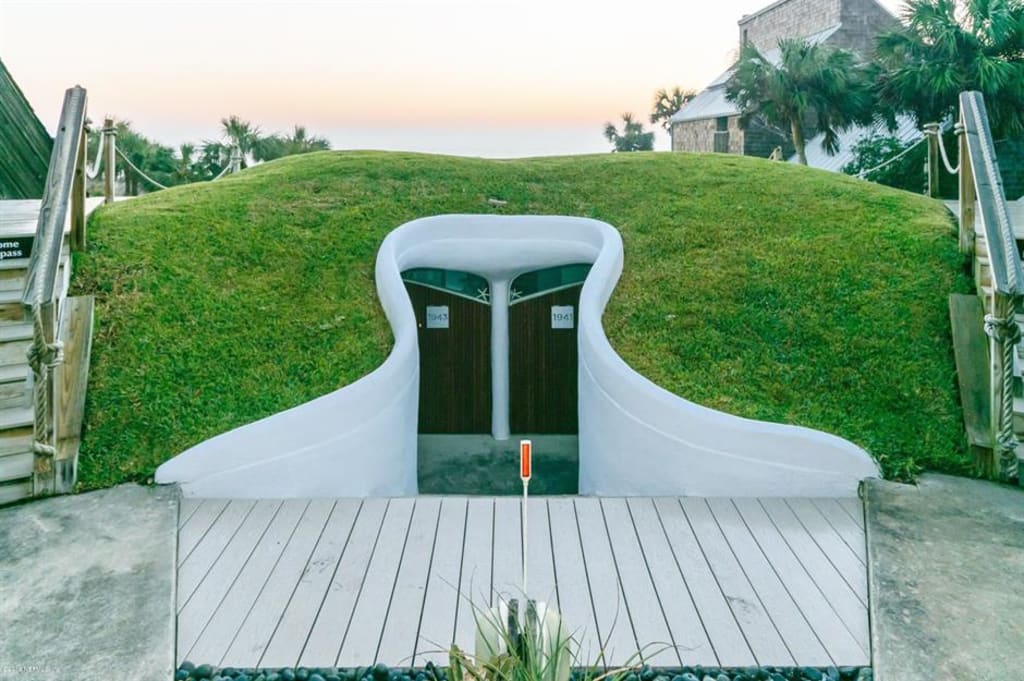
As the world rapidly evolves, so does our perspective on the concept of living spaces. With environmental concerns, population growth, and technological advancements driving the future, there is a growing fascination with the idea of humans living underground. This article delves into the potential reasons and possibilities behind this intriguing shift, exploring how our subterranean future could become a reality within the next decade.
1. Overcoming Environmental Challenges:
One of the key drivers behind the move toward underground living is the pressing need to combat environmental challenges. With increasing concerns about climate change, extreme weather events, and rising sea levels, underground habitats offer a potential solution. By residing below the Earth's surface, humans can reduce their ecological footprint, shield themselves from natural disasters, and create more sustainable living environments.
2. Utilizing Advanced Technology:
Advancements in technology play a vital role in making underground living a viable option. With innovations in construction materials, geotechnical engineering, and underground infrastructure, creating safe and habitable spaces below ground has become increasingly feasible. From efficient ventilation systems to advanced lighting solutions, technology enables the creation of comfortable and functional subterranean environments.
3. Resource Optimization and Energy Efficiency:
Living underground presents unique opportunities for resource optimization and energy efficiency. By utilizing the Earth's natural insulation, underground dwellings can maintain stable temperatures, reducing the need for excessive heating or cooling. Furthermore, harnessing geothermal energy and implementing sustainable practices such as rainwater harvesting and solar power can significantly decrease reliance on traditional energy sources.
4. Urban Overcrowding and Land Scarcity:
The relentless urbanization and population growth in many regions have led to overcrowding and limited land availability. Moving underground offers a solution to these challenges by utilizing the vast, unoccupied spaces beneath cities. By creating multi-level underground structures, cities can expand vertically, effectively increasing their capacity without encroaching on valuable surface land.
5. Enhanced Safety and Security:
Living underground provides a heightened level of safety and security. Subterranean habitats are naturally shielded from external threats such as natural disasters, extreme weather conditions, and even potential conflicts. Additionally, the controlled access points and fortified structures in underground communities offer an increased sense of security for residents.
6. Preserving Natural Landscapes:
Embracing underground living allows for the preservation of natural landscapes and ecosystems. By minimizing the need for extensive urban sprawl, surface areas can be dedicated to parks, wildlife reserves, and agriculture, promoting biodiversity and maintaining a connection to nature. This symbiotic relationship between underground and surface living ensures a more harmonious coexistence with the environment.
7. Future-Proofing Human Settlements:
Considering the uncertainties and challenges that lie ahead, underground living offers a form of future-proofing human settlements. With the potential impacts of climate change, pandemics, and other global crises, underground habitats provide a level of resilience and adaptability. These self-sufficient communities can sustain themselves for extended periods, minimizing external dependencies and ensuring the continuity of human life.
8. Cultural and Architectural Innovation:
Living underground opens up new avenues for cultural and architectural innovation. Underground spaces can be designed to blend functionality and aesthetics, incorporating innovative design elements and artistic expressions. From underground parks and gardens to subterranean art installations, these spaces offer unique opportunities for creativity and cultural enrichment.
Conclusion:
The idea of humans living underground is no longer confined to the realms of science fiction. As we face pressing environmental, urban, and resource challenges, underground living emerges as a compelling solution for the future. With advancements in technology, a focus on sustainability, and the potential for enhanced safety and resource optimization, the shift toward subterranean living may become a reality within the next decade. Embracing this concept not only allows us
to address the challenges of our time but also opens up new frontiers of innovation, resilience, and harmonious coexistence with our planet.
About the Creator
Vijay Paul
Versatile article writer with a knack for crafting captivating narratives that leave readers spellbound. Weaves words together to create thought-provoking and engaging content.
Keep reading
More stories from Vijay Paul and writers in Pride and other communities.
Should We Raise Kids Barefoot?
Should We Be Raising Kids Barefoot? In our modern world, where shoes have become a ubiquitous part of our daily lives, the idea of raising kids barefoot may seem unconventional. However, an increasing number of experts and parents are embracing the concept, recognizing the potential benefits it can offer to children's physical and cognitive development. From improved foot strength to enhanced sensory perception, going barefoot has sparked a growing movement that challenges traditional norms. But should we really be encouraging children to ditch their shoes? Let's explore the arguments and considerations surrounding this intriguing topic.
By Vijay Paul3 years ago in Families
Rani Vanouska T. Modely : Building a Humanitarian Vision Through Football
In an era defined by rapid visibility and short attention cycles, few figures attempt to build projects designed to outlast their own presence. Rani Vanouska T. Modely belongs to that rare category.
By Mark Walker3 days ago in Pride


Comments
There are no comments for this story
Be the first to respond and start the conversation.