
What’s a Femboy? Breaking Down the Meaning, Culture, and Misconceptions
whats a femboy

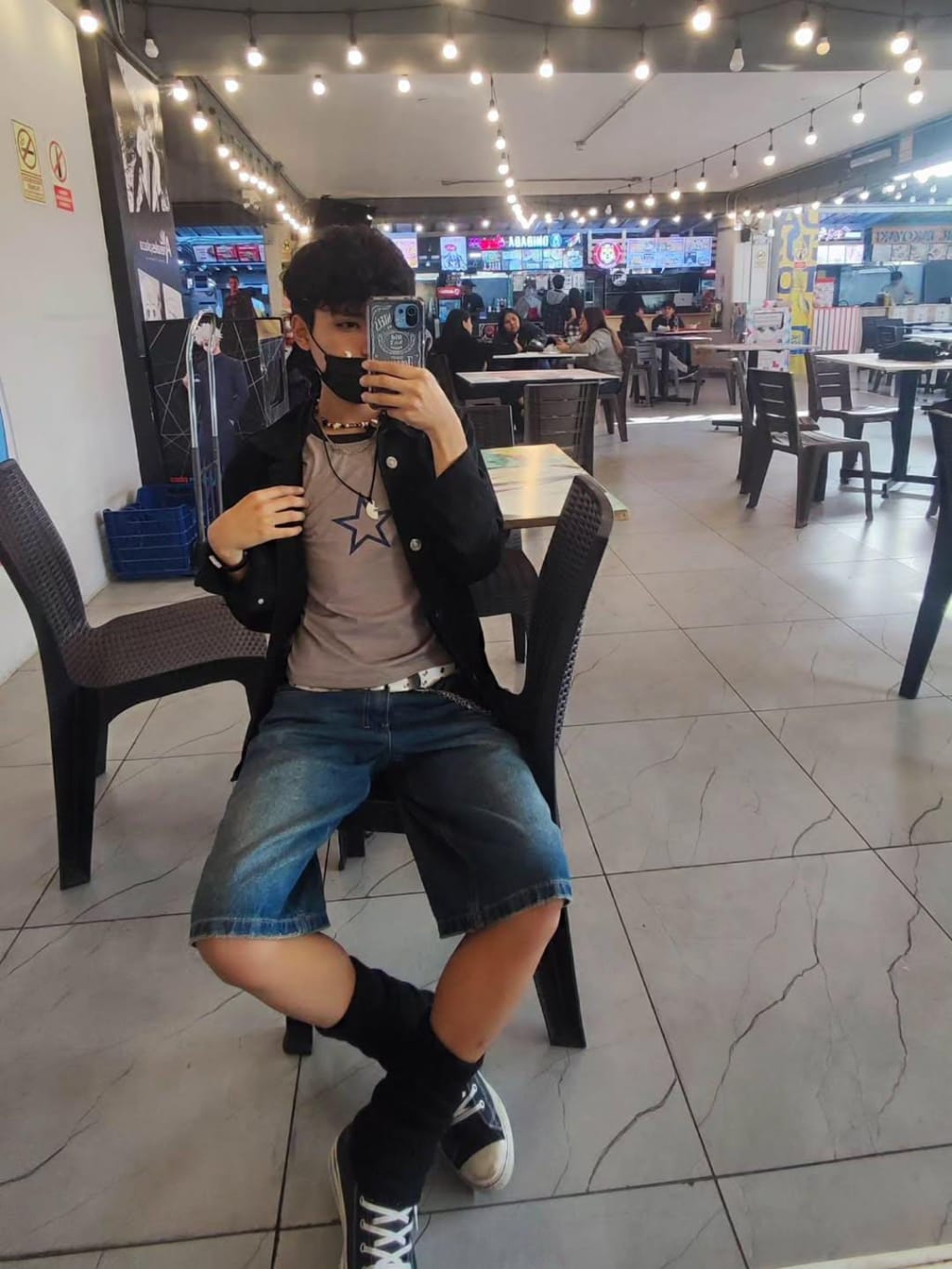
If you’ve been on the internet in the past few years, chances are you’ve come across the term femboy. From social media hashtags to online fashion trends, the word has gained popularity, but not everyone truly understands what it means. Some people think it’s a label for a certain style, while others confuse it with sexual orientation or gender identity. In reality, the concept of a femboy is more nuanced, rooted in self-expression, personal identity, and cultural evolution.
In this article, we’ll dive deep into what a femboy is, explore the history and cultural influence behind the term, discuss how society views it, and break down the misconceptions that often surround it. By the end, you’ll have a clear, human-level understanding of what being a femboy actually means and why it’s important to respect it.
Understanding the Basics: What Does "Femboy" Mean?
At its core, the term femboy is used to describe a person usually someone assigned male at birth who embraces traditionally feminine clothing, behaviors, or aesthetics while still identifying as male.
Key points to keep in mind:
- A femboy does not necessarily identify as transgender.
- Being a femboy is about expression, not automatically about sexuality or gender identity.
- The term focuses on appearance and presentation, especially in terms of fashion and mannerisms.
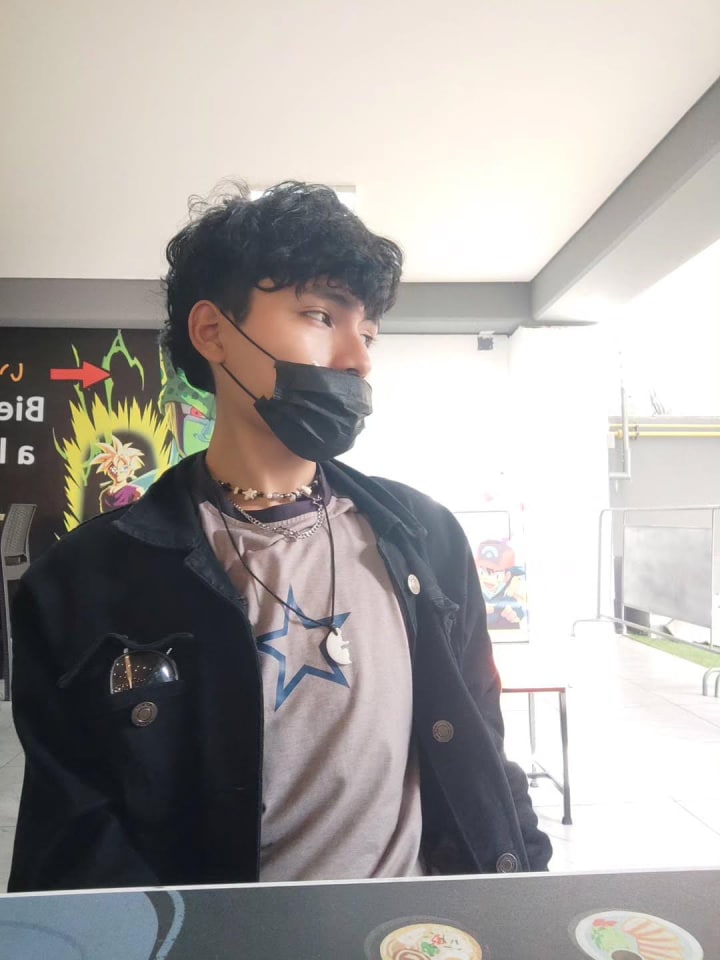
Think of it this way: a femboy might enjoy wearing skirts, crop tops, makeup, or accessories often associated with women, but still see themselves as male. Others might use the term simply to describe a playful blend of masculinity and femininity in how they present themselves.=
A Quick Look at the History of the Term
While the term femboy may sound like a modern internet creation, the concept of men expressing femininity is anything but new.
- Early History: In many cultures throughout history, clothing was far less gendered than it is today. For instance, in Europe, men wore elaborate wigs, tights, and makeup during the 17th and 18th centuries.
- Japanese Influence: In Japanese culture, particularly through anime and manga, the idea of otokonoko (boys dressing in feminine clothing) has long existed and influenced Western online spaces.
- Internet Age: The modern usage of femboy really took off in the 2000s and 2010s thanks to forums, Tumblr, Reddit, and more recently TikTok, where fashion trends and self-expression flourish.

Today, the word is more mainstream than ever, but with that visibility comes both acceptance and criticism.
The Core of Femboy Identity: Expression over Labels
One of the most important things to understand is that being a femboy is not about fitting into a rigid category. It’s about freedom.
- Some femboys only adopt feminine fashion occasionally.
- Others may live fully in a feminine aesthetic while still identifying as male.
- Some may enjoy being playful with gender roles without wanting to make a larger political or social statement.
This flexibility is why many femboys resonate with the idea of expression over definition. It isn’t necessarily tied to sexuality, either a femboy can be straight, gay, bisexual, asexual, or anything in between.
Common Traits and Aesthetics Associated with Femboys
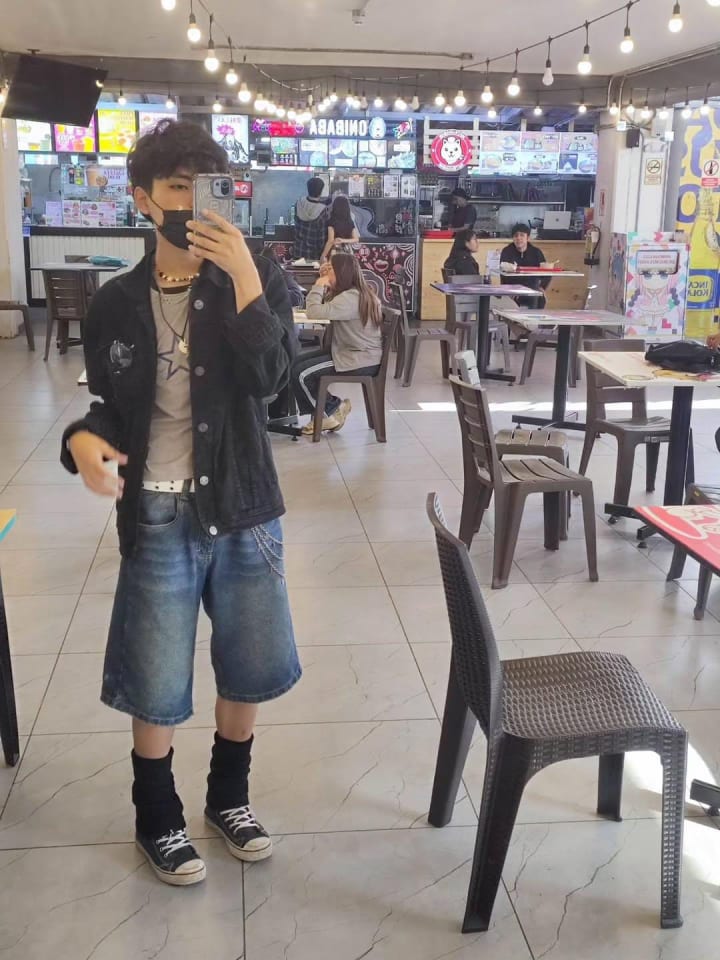
Though every femboy is different, there are certain styles and traits that are commonly associated with the identity.
1. Fashion Choices
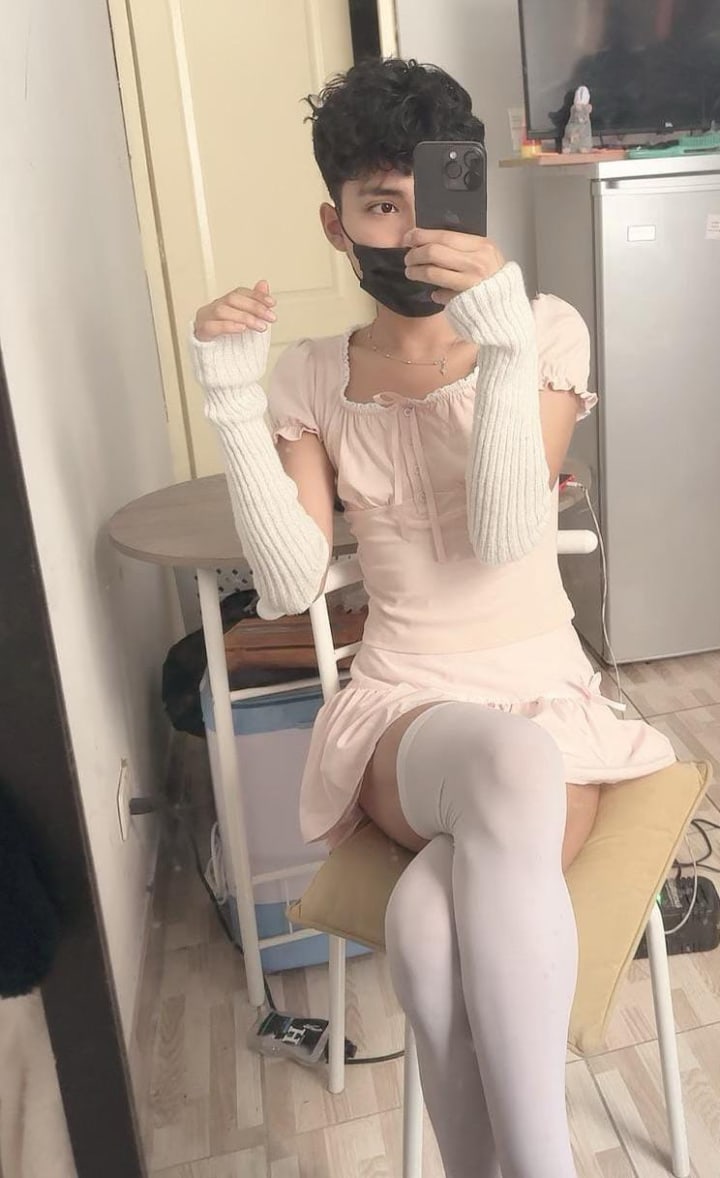
- Skirts, dresses, thigh-high socks, crop tops.
- Soft pastel colors (pinks, purples, whites) are popular.
- Accessories like chokers, hair clips, and earrings.
2. Makeup and Grooming
- Light makeup to accentuate softer features.
- Skincare routines to maintain a smooth look.
- Sometimes wigs or styled hair.
3. Personality and Behavior (sometimes, not always)
- Playful, bubbly, or cute mannerisms.
- Use of online “kawaii” or anime-inspired aesthetics.
- Confidence in bending gender expectations.
Of course, none of these traits are required. A person doesn’t need to check all the boxes to be considered a femboy.
Why Are Femboys Gaining Popularity?
The rise of femboys in mainstream culture is tied to a few key factors:
- Social Media Influence: Platforms like TikTok, Instagram, and YouTube have made it easy for people to share fashion and lifestyle content. Many femboys have built communities and followings, normalizing the aesthetic.
- Shifting Gender Norms: Younger generations, especially Gen Z, are pushing back against rigid gender roles. Femboys embody this freedom of expression.
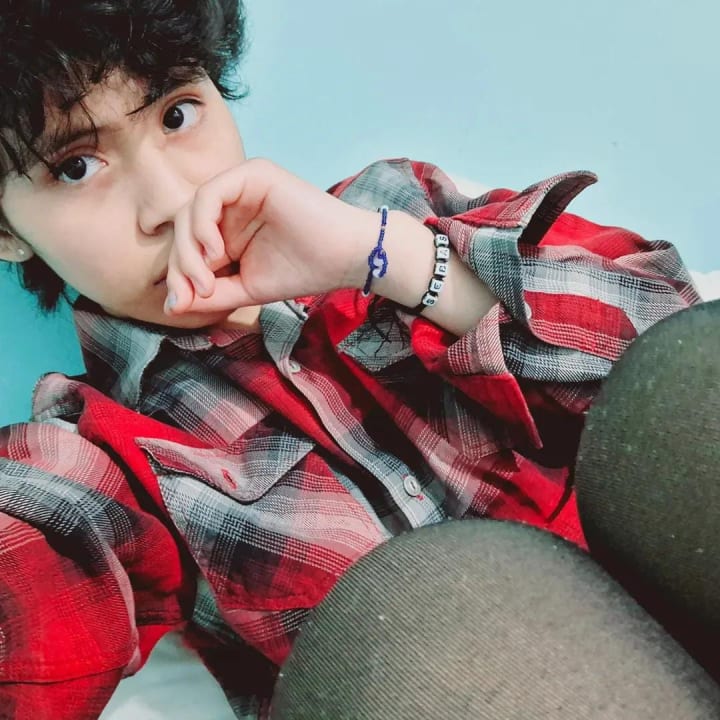
- Fashion Evolution: Streetwear and alternative fashion movements often borrow from both masculine and feminine styles. The femboy look fits naturally into this trend.
- Representation in Pop Culture: Characters in anime, video games, and even Western shows sometimes embody femboy traits, making the identity more visible and accepted.
Misconceptions About Femboys
Unfortunately, with visibility comes misunderstanding. Here are some common myths and the truth behind them:
Myth 1: Femboys Want to Be Women
Reality: Many femboys identify as male and have no desire to transition. Their femininity is about expression, not gender identity.
Myth 2: All Femboys Are Gay
Reality: Sexuality and gender expression are two different things. A straight man can be a femboy just as much as someone who is gay, bisexual, or queer.
Myth 3: Femboys Are “Less Masculine”
Reality: Masculinity doesn’t have to mean rejecting femininity. In fact, it takes confidence to embrace traits society might judge.
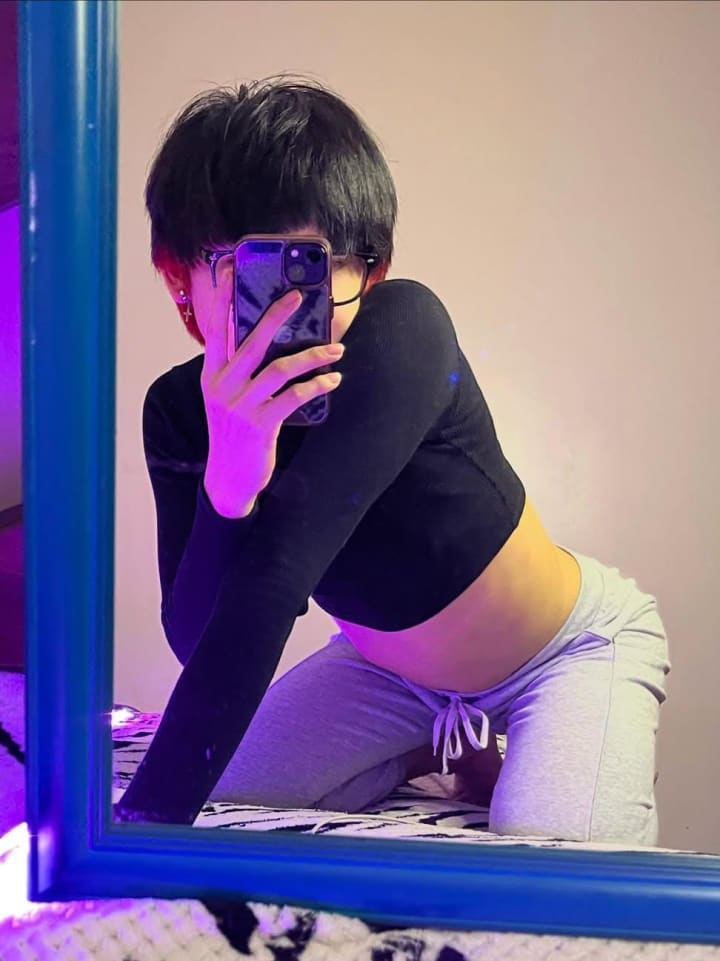
Myth 4: It’s Just a Trend
Reality: While social media has popularized the term, history shows that blending gender presentation has existed for centuries.
The Positive Side of Femboy Culture
Beyond fashion and aesthetics, the rise of femboy culture has positive implications:
- Breaking Stereotypes: It challenges rigid gender norms, proving that people can be authentic without fitting into traditional boxes.
- Boosting Confidence: Many who embrace the style find themselves more comfortable in their own skin.
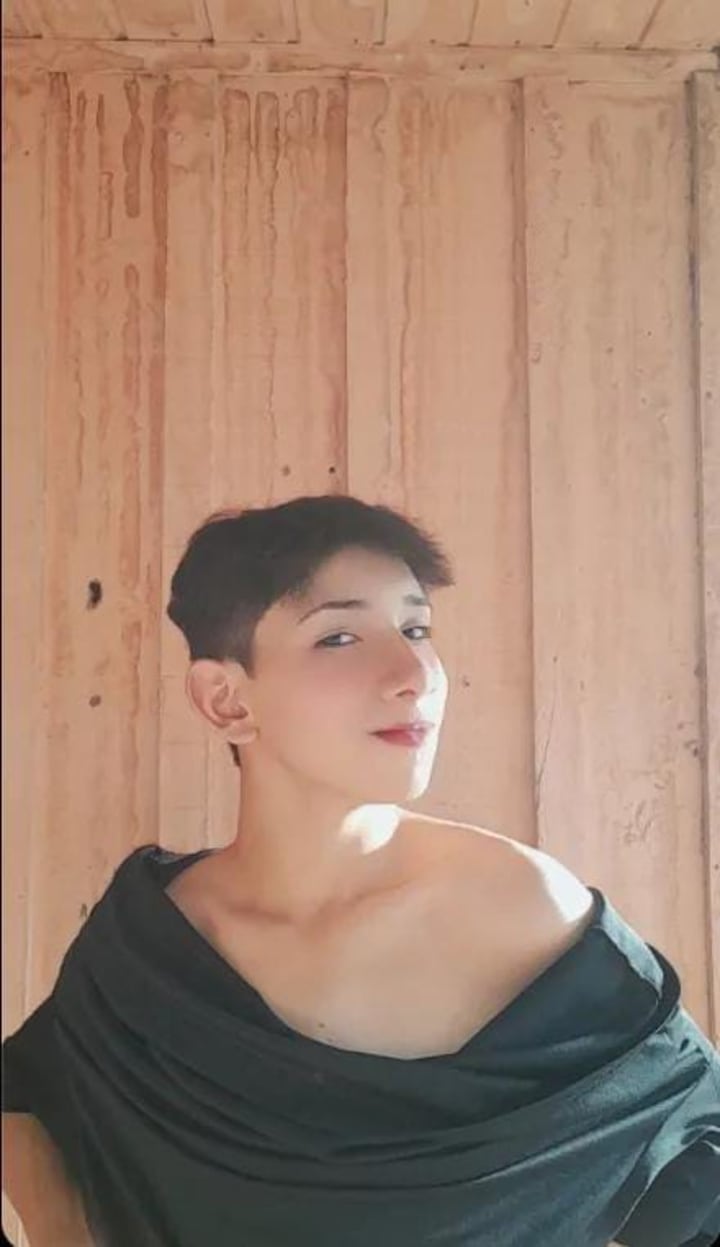
- Building Communities: Online spaces allow femboys to connect, support, and inspire one another.
- Encouraging Acceptance: By existing openly, femboys contribute to a more inclusive society.
The Criticism and Challenges Femboys Face
Despite growing acceptance, femboys often face backlash.
- Trolling and Harassment: Online anonymity can bring out cruel comments.
- Cultural Stigma: In conservative societies, men dressing femininely is still heavily judged.
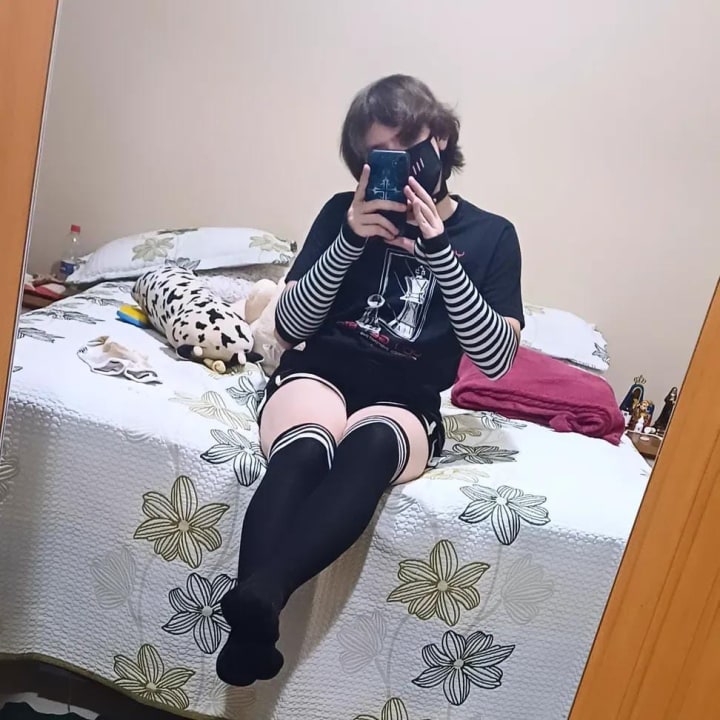
- Misrepresentation: Media sometimes portrays femboys as fetish objects rather than people.
- Identity Confusion: People often conflate femboys with other identities, leading to misunderstandings.
These challenges highlight the importance of empathy and open-mindedness when discussing the topic.
Femboys vs. Related Identities
It’s easy to confuse femboys with other gender expressions, but here’s how they differ:
- Femboy vs. Transgender Woman: A femboy identifies as male, while a transgender woman identifies as female.
- Femboy vs. Drag Queen: Drag is usually performance-based, often exaggerated. A femboy’s expression is more about daily style.
- Femboy vs. Androgynous: Androgyny blends masculine and feminine traits equally, while femboys lean more into femininity.
How Society Is Evolving Around Femboys
As conversations about gender continue, society is slowly becoming more open-minded. Clothing brands are starting to market gender-neutral collections, influencers are normalizing diverse styles, and conversations about gender expression are reaching mainstream media.
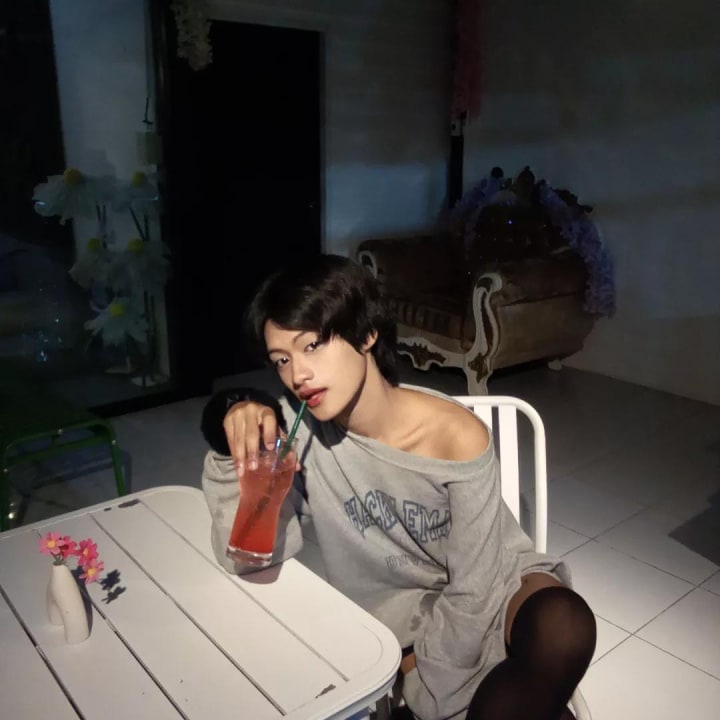
Still, acceptance varies widely depending on culture, geography, and personal beliefs. In more progressive spaces, femboys may be celebrated. In conservative environments, they may face judgment. This contrast shows how much work still needs to be done to create a truly inclusive world.
Tips for Supporting Femboys
Whether you’re curious, an ally, or exploring your own identity, here are some ways to show support:
- Respect Their Identity: Don’t assume their sexuality or gender.
- Avoid Mockery: Even jokes can reinforce harmful stereotypes.
- Use the Right Language: If someone identifies as a femboy, honor that.
- Create Safe Spaces: Online and offline communities thrive on acceptance.
- Celebrate Diversity: See femboys as part of the broader movement toward freedom of self-expression.
Final Thoughts
So, what’s a femboy? At its simplest, a femboy is someone usually male who embraces femininity in their own unique way. But on a deeper level, the identity represents freedom, confidence, and the rejection of rigid gender expectations.
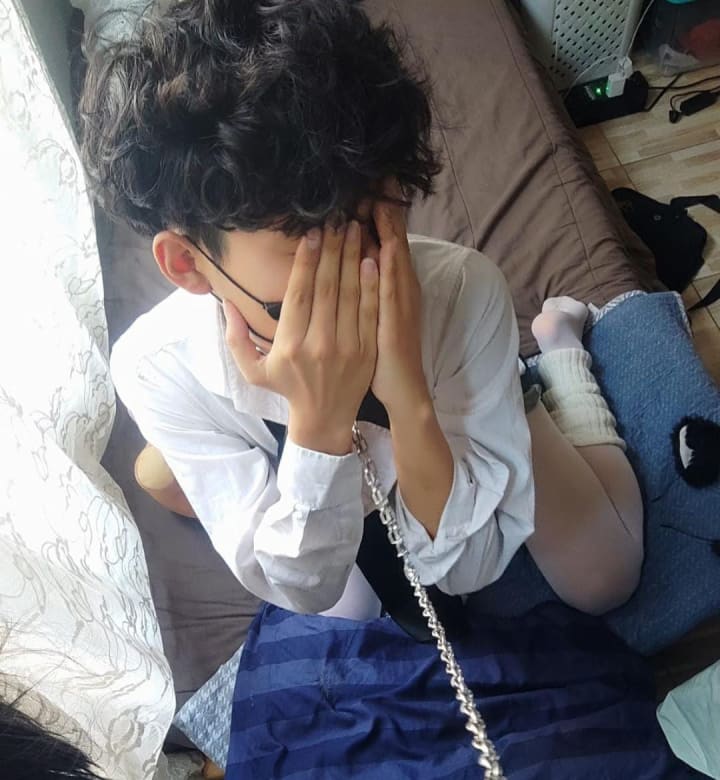
Being a femboy is not about sexual orientation, not about being transgender, and not about fitting into a box. It’s about authentic expression. Some wear it proudly as a permanent identity, while others may only dip into the aesthetic occasionally. Regardless, it’s valid, it’s real, and it deserves respect.
The rise of femboy culture is a reminder that clothing, behavior, and self-expression don’t need to be dictated by outdated norms. Instead, we can embrace individuality, celebrate diversity, and move toward a society where everyone feels free to be themselves.
About the Creator
David Femboy
David here. Sharing my authentic femboy journey the outfits, the lessons, the life. For anyone exploring gender expression. Let’s redefine masculinity together. 💖
Reader insights
Outstanding
Excellent work. Looking forward to reading more!
Top insight
Easy to read and follow
Well-structured & engaging content
Keep reading
More stories from David Femboy and writers in Pride and other communities.
Thick femboy
In recent years, internet culture, fashion trends, and shifting social norms have opened the doors for new forms of identity expression. One of the most fascinating movements to emerge is the femboy culture. Traditionally, the word “femboy” refers to a person most often male or AMAB (assigned male at birth) who embraces femininity in style, fashion, or mannerisms, while still maintaining a masculine identity.
By David Femboy5 months ago in Pride
“Friendship or Kindness”
The Court of Satan They were all five standing with their heads bowed. Satan’s disciples had captured them and brought them before the court of Satan. All five were confused, wondering what crime had led them to this dark place. The courtroom was silent, except for the occasional sinister laugh echoing from behind a black curtain.
By Sudais Zakwan2 days ago in Pride


Comments
There are no comments for this story
Be the first to respond and start the conversation.