
What is a fem boy
Understanding the Term "Fem boy": Embracing Gender Expression Beyond Binaries


In today’s evolving conversations around gender and identity, the term "femboy" has gained visibility, sparking both curiosity and misunderstanding. Whether you’ve encountered the term online, in social media communities, or in pop culture, you might wonder: what exactly is a femboy? This article explores the meaning, origins, and cultural significance of the femboy identity, emphasizing respect, nuance, and the celebration of diverse self-expression.
Defining "Femboy": More Than Just a Label
At its core, a femboy (a portmanteau of "feminine" and "boy") typically refers to someone who identifies as male or male-aligned and embraces a distinctly feminine presentation or style, while still identifying with their male gender. This can include clothing, mannerisms, aesthetics, or interests traditionally associated with femininity.

It’s crucial to understand that femboy is primarily about gender expression, not necessarily gender identity. Most femboys identify as boys, men, or male, but choose to express themselves in ways that defy rigid gender norms. This distinction separates the term from transgender identities while a transgender woman is a woman who may have been assigned male at birth, a femboy is generally not a woman; he is a male who enjoys feminine presentation.
Origins and Cultural Context
The concept of men embracing femininity is not new. History and culture are rich with examples, from the "molly houses" of 18th-century England to the visual kei movement in Japan. However, the specific term "femboy" gained traction in online communities in the early 2000s, particularly within anime, gaming, and LGBTQ+ spaces. It provided a vocabulary for a specific experience that wasn’t adequately captured by existing labels.
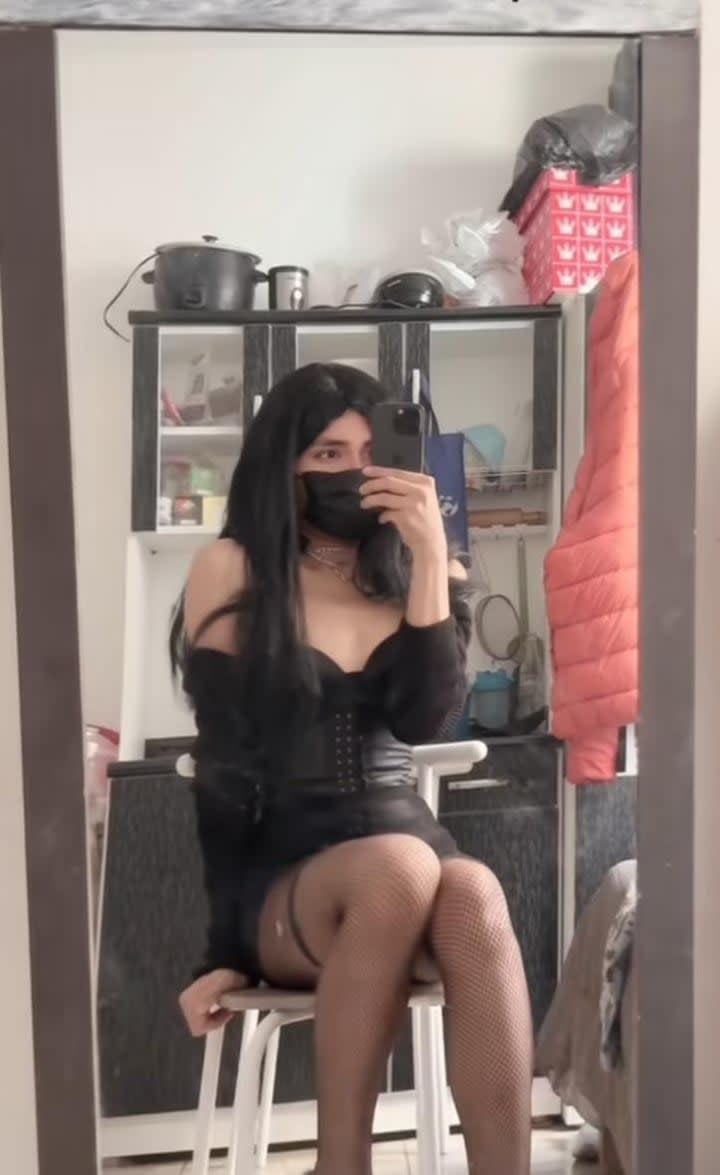
Today, the femboy aesthetic is often associated with certain fashion choices: skirts, thigh-high socks, pastel colors, makeup, and soft, expressive styles. But it’s more than a look it’s a form of gender nonconformity that challenges the idea that masculinity must be rigidly defined by avoidance of all things feminine.
Femboy vs. Other Identities: Clarifying the Distinctions
To avoid conflation, it’s helpful to differentiate femboy from related terms:
Crossdresser: A broader term for anyone who wears clothing associated with a different gender, often temporarily and not necessarily tied to their identity.
Transgender: An umbrella term for people whose gender identity differs from the sex they were assigned at birth. A femboy usually identifies as male; a trans woman identifies as female.

Non-Binary: Someone whose gender identity exists outside the strict male/female binary. Some non-binary individuals may also identify with the femboy label if it resonates with their expression.
Drag Queen: A performer (often, but not always, male-identified) who uses exaggerated feminine presentation for entertainment. Drag is a performance art, whereas femboy is a personal expression.
These categories can overlap, as identity is personal and multifaceted. The key is to respect how individuals self-identify.
The Significance: Why Representation Matters
The visibility of femboys plays a vital role in broader conversations about gender freedom. It directly challenges toxic masculinity by demonstrating that masculinity and femininity are not opposites, but spectrums that can coexist harmoniously in one person. This visibility:
Validates Diverse Experiences: It gives a name and community to those who have felt confined by traditional gender roles.

Promotes Authenticity: It encourages people to explore and embrace all parts of themselves without shame.
Educates the Public: It helps dismantle harmful stereotypes by normalizing gender diversity.
Navigating Misconceptions and Stereotypes
With increased visibility comes misinterpretation. Common misconceptions include:
"It’s just a fetish or kink." While some may incorporate it into their personal life, for the vast majority, being a femboy is about everyday identity and expression, not sexual fetishization.
"All femboys are gay." Sexual orientation is separate from gender expression. Femboys can be gay, straight, bisexual, pansexual, or any other orientation.
"It’s a trend or phase." For many, this is a sincere and enduring aspect of their identity.

It’s important to approach the term with sensitivity, recognizing the person behind the label.
How to Be an Ally: Respect and Support
If you know someone who identifies as a femboy or are seeking to understand, here are principles for allyship:
Use Preferred Terminology: Always use the labels and pronouns an individual requests.
Listen and Learn: Center the voices and experiences of those within the community.

Avoid Assumptions: Don’t make guesses about someone’s sexuality, gender identity, or lifestyle based on their presentation.
Speak Up Against Stigma: Challenge derogatory comments or jokes that mock feminine men or gender nonconformity.
Conclusion: Celebrating Expressive Freedom
Ultimately, understanding "what is a femboy" is about recognizing the beautiful diversity of human expression. It’s a testament to the fact that gender is not a prison, but a palette. In a world still grappling with rigid norms, femboys and all gender-nonconforming individuals remind us that authenticity is courageous.
By embracing terms like femboy with nuance and respect, we contribute to a culture where everyone can explore and define themselves on their own terms. The journey toward gender liberation is ongoing, and every step toward understanding and acceptance makes the path brighter for future generations.
About the Creator
David Femboy
David here. Sharing my authentic femboy journey the outfits, the lessons, the life. For anyone exploring gender expression. Let’s redefine masculinity together. 💖
Keep reading
More stories from David Femboy and writers in Pride and other communities.
Breaking Down Lyrics: Diamonds (leave with you) 2
*** “Take all the money you want from me. Hope you become who you want to be. Show me how little you care, how little you care! You dream of glitter and gold — my heart’s already been sold. Show me how little you care, how little you care!” ***
By Gabriel Shames4 days ago in Pride


Comments
There are no comments for this story
Be the first to respond and start the conversation.