


What Does Femboy Mean? Understanding the Term and Its Cultural Impact
In recent years, the term "femboy" has gained significant traction in online spaces, pop culture, and LGBTQ+ discussions. But what exactly does it mean? Where did it come from? And how does it fit into modern conversations about gender and identity?
This article will explore the definition of femboy, its origins, cultural significance, and common misconceptions. By the end, you'll have a clear understanding of this evolving term and its place in today's society.
What Is a Femboy? Definition and Meaning
A femboy (sometimes spelled fem boy or fem-boy) is typically a young male who presents in a traditionally feminine manner. This can include:
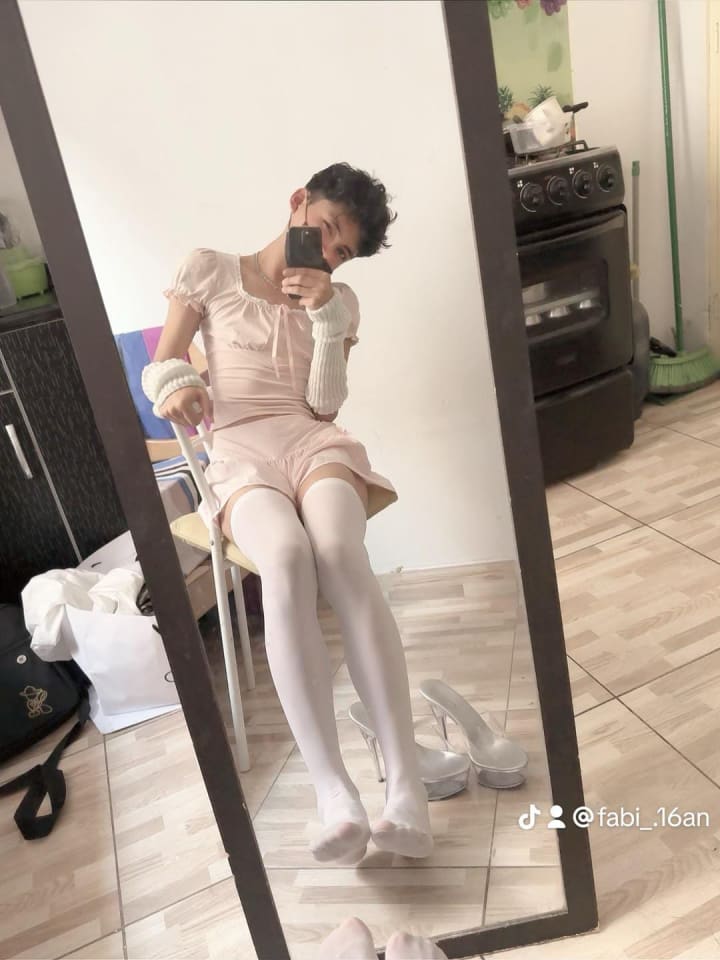
Feminine clothing (skirts, dresses, crop tops, thigh-high socks)
Soft or delicate mannerisms
Makeup and long hair
Androgynous or gender-nonconforming appearance
Unlike transgender women, femboys identify as male but enjoy expressing femininity. They may or may not be part of the LGBTQ+ community some are straight, while others are gay, bisexual, or queer.

Key Characteristics of a Femboy
Gender Identity: Identifies as male (not to be confused with trans women).
Expression: Prefers feminine aesthetics but doesn’t necessarily reject masculinity.
Age Range: Often associated with younger males (teens to early 30s).
Sexuality: Can be of any sexual orientation.
Origins and History of the Term "Femboy"
The word femboy has roots in internet culture, anime communities, and LGBTQ+ spaces. Here's a brief timeline:
Early Usage (1990s-2000s)
The term emerged in online forums and anime fan circles.
Initially described effeminate male characters in Japanese media (e.g., bishōnen or "pretty boys").
Some early uses had fetishistic undertones, but the meaning has since evolved.

Rise in Popularity (2010s-Present)
Social media (TikTok, Twitter, Reddit) helped popularize the term.
LGBTQ+ communities reclaimed it as a neutral or positive label.
Fashion trends (e.g., e-girl/e-boy aesthetics) contributed to its mainstream appeal.
Today, femboy is widely used as a self-identifier rather than a derogatory term.

Femboy vs. Other Gender Terms: What’s the Difference?
Because gender expression is fluid, some terms overlap or get confused. Here’s how femboy compares to similar identities:
Term Definition Key Difference
Femboy A male who presents femininely but identifies as male. Not transgender.
Trans Woman Assigned male at birth but identifies as female. Gender identity is female.
Crossdresser Someone who wears clothes typically associated with another gender. Doesn’t necessarily identify as feminine full-time.
Non-Binary Doesn’t strictly identify as male or female. Gender identity is outside the binary.
Tomgirl Similar to femboy, but less commonly used. Often interchangeable.
Important Note: Not all feminine men are femboys, and not all femboys are LGBTQ+. Self-identification is key.
Why Do People Identify as Femboys?
There are many reasons why someone might embrace the femboy label:
1. Self-Expression and Fashion
Some men enjoy feminine aesthetics without wanting to transition.
Fashion trends (e.g., pastel goth, soft boy styles) encourage blending masculine and feminine looks.

2. Challenging Gender Norms
Femboys often reject rigid masculinity.
They prove that men can be soft, emotional, and stylish without losing their identity.
3. Online and Subculture Influence
Internet communities (Discord, TikTok, Reddit) provide safe spaces for femboys.
Anime and cosplay culture normalize gender-nonconforming looks.
4. Personal Comfort
For some, femininity just feels more natural.
They may dislike traditional masculine expectations.
Common Misconceptions About Femboys
Despite growing acceptance, misunderstandings persist. Let’s debunk a few myths:

Myth 1: Femboys Are the Same as Trans Women
Reality: Femboys identify as male; trans women identify as female.
Myth 2: All Femboys Are Gay
Reality: Femboys can be straight, bi, pan, or asexual.
Myth 3: Femboys Are Just a Fetish
Reality: While some fetishize the term, most use it as a genuine identity.
Myth 4: Femboys Are "Confused"
Reality: They’re fully aware of their gender and expression.
Femboys in Pop Culture and Media
The femboy aesthetic has influenced movies, anime, and music. Some notable examples:
Anime & Manga
Hideri Kanzaki (Blend S) – A popular femboy character.
Astolfo (Fate/Apocrypha) – Often cited as the "face" of femboys in anime.
Western Media
Eddie Izzard – A comedian known for blending gender norms.
Pete Burns (Dead or Alive) – Challenged gender expectations in the 80s/90s.

Internet Personalities
F1NN5TER – A Twitch streamer famous for his femboy persona.
Snakebite Cortez – A TikTok influencer embracing feminine masculinity.
How to Support Femboys and Gender-Nonconforming People
If someone in your life identifies as a femboy (or any gender-nonconforming label), here’s how to be an ally:
Respect Their Identity – Use their preferred pronouns (usually he/him).
Avoid Stereotyping – Don’t assume their sexuality or personality.
Compliment Thoughtfully – Instead of "You look like a girl," try "You look amazing!"
Educate Others – Correct misconceptions when you hear them.
Final Thoughts: The Future of Femboy Culture
The term femboy represents a growing movement toward gender freedomwhere people can express themselves beyond traditional norms. As society becomes more accepting, we’ll likely see even more diverse representations of masculinity and femininity.
Whether you’re exploring your own identity or just curious, understanding terms like femboy helps create a more inclusive world.
What’s Your Take?
Do you identify as a femboy? Know someone who does? Share your thoughts in the comments!
About the Creator
David Femboy
David here. Sharing my authentic femboy journey the outfits, the lessons, the life. For anyone exploring gender expression. Let’s redefine masculinity together. 💖
Keep reading
More stories from David Femboy and writers in Pride and other communities.
Femboy Dating: The Ultimate Guide to Finding Love & Building Relationships
Femboy Dating: A Modern Guide to Love and Connection In today’s diverse dating landscape, people are exploring relationships beyond traditional norms. One such evolving dynamic is femboy dating a space where gender expression blends femininity and masculinity in unique, beautiful ways. Whether you’re a femboy looking for love or someone attracted to femboys, navigating this dating scene can be exciting yet challenging.
By David Femboy8 months ago in Pride
Hottest in the Office
Dear Rafi, You’re very distracting to work around. For the first second I saw you the other day, I thought you were some type of executive. It took a moment to realize no, you were just the new guy, dressed up for the job he wants. Be still, my heart.
By Gabriel Shames5 days ago in Pride
The Quiet Systems That Decide Whether People Trust You at Work
Shane Windmeyer is a North Carolina–based DEI strategist, speaker, and advisor who helps organizations build inclusive cultures grounded in trust, fairness, and measurable outcomes. And in almost every organization I’ve worked with, trust is not lost in one dramatic blow-up. It fades through patterns that repeat so often they start to feel normal.
By Shane Windmeyer6 days ago in Pride


Comments
There are no comments for this story
Be the first to respond and start the conversation.