
What Does Fem Mean? A Complete Guide to Its Meaning and Usage
what does fem mean


Language is always evolving, and with it comes new words, slang, and abbreviations that shape the way we communicate. One such word that has sparked curiosity is “Fem.” You might have come across it on social media, in LGBTQ+ communities, in gaming chats, or even in casual conversations. But what exactly does “Fem” mean? Why do people use it, and what are its different interpretations?
In this in-depth article, we’ll explore the meaning of “Fem” from different perspectives covering its origins, cultural significance, usage in various communities, and how it is understood in modern-day conversations. By the end, you’ll have a clear understanding of what “Fem” stands for and why it’s more than just a three-letter word.
The Basic Meaning of “Fem”
At its core, “Fem” is short for “feminine.” It refers to traits, expressions, and identities that are traditionally or socially associated with femininity. Depending on the context, “Fem” can describe:
- A gender expression that leans toward softness, nurturing, or traditionally feminine qualities.
- A nickname or shorthand for a woman or feminine-presenting person.
- A term used within LGBTQ+ culture to describe individuals who adopt a feminine style, manner, or energy.
- In casual internet slang, it can also mean “female” in a shortened form.
While simple at first glance, the meaning of “Fem” carries layers of depth when you explore it in different communities and contexts.

Origins of the Word “Fem”
The word “Fem” originates from the Latin root femina, meaning woman. Over time, it was shortened in English conversations as a slang form of “feminine” or “female.”
- In the 20th century, particularly within LGBTQ+ spaces, “Fem” started being used to describe women who presented themselves in a traditionally feminine manner.
- In online culture, the abbreviation gained popularity as part of internet slang, where shortening words is common (like “info” for information, “bro” for brother, and “fem” for female).
The word has since expanded far beyond its original use, adapting new meanings in different communities.
Fem in LGBTQ+ Culture
Perhaps the most common and widely recognized usage of “Fem” comes from the LGBTQ+ community.
3.1 Fem as a Lesbian Identity
In lesbian culture, “Fem” often refers to women who embrace a traditionally feminine style of dressing, behaving, or presenting themselves. For example:
- A woman who wears makeup, dresses, or heels may be described as a “Fem.”
- Within lesbian dating dynamics, the opposite of a Fem is often considered a Butch (someone with a more masculine presentation).
This distinction is not rigid, but it has been a way for women to describe their preferences and identities within the community.
3.2 Fem in Gay and Queer Communities
Beyond lesbian circles, “Fem” can also describe gay men or queer individuals who embody feminine energy or mannerisms. In this case:
- A man who enjoys makeup, fashion, or soft aesthetics might be described as having a Fem energy.
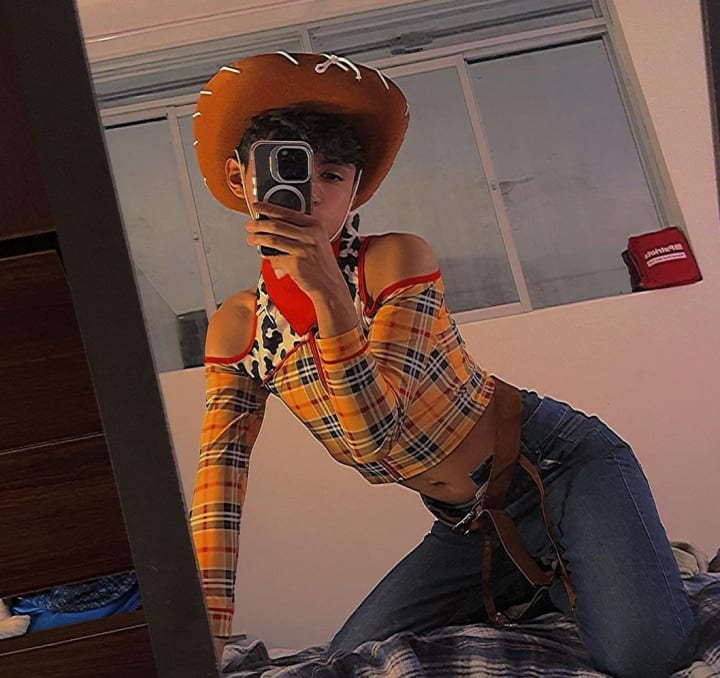
- It’s not just about appearance but also about personality gentleness, empathy, and softness can all be seen as “Fem.”
3.3 Fem vs. Femme
It’s important to note that “Fem” and “Femme” are closely related but slightly different.
- “Femme” (with the double ‘m’) is a more established identity label within LGBTQ+ history, particularly for lesbians.
- “Fem” is a more casual, internet-driven abbreviation.
Both words overlap, but “Femme” often carries deeper cultural roots, while “Fem” is more flexible and widely used today.
Fem in Modern Slang and Internet Culture
The internet has played a huge role in spreading the use of “Fem.” In casual online conversations, “Fem” often means:
- Female: People may say “fem” instead of writing the full word “female.” For example: “Looking for a fem character in the game.”
- Soft or girly vibe: Used as an adjective. For instance, someone might describe a song, outfit, or aesthetic as “so fem.”
- Opposite of masc (masculine): On platforms like TikTok, Instagram, or Twitter, you’ll often see posts comparing “Fem vs. Masc energy.”
The beauty of slang is that meanings shift depending on context, and “Fem” is a great example of this flexibility.
Fem in Gaming and Online Communities
In gaming culture, the term “Fem” is frequently used when discussing character creation or roleplay.
- Fem character: A character designed with feminine traits, regardless of the player’s gender. For example, in games like Skyrim, World of Warcraft, or GTA roleplay servers, people might say: “I’m playing a fem character.”
- Fem avatar: Refers to choosing a female-presenting digital persona.
- Cosplay & roleplay communities: People use “Fem” as shorthand for gender-bent characters, like “Fem Thor” or “Fem Joker.”

Here, “Fem” doesn’t always connect to sexuality or gender identity. Instead, it’s a way to describe the appearance or design of a digital or fictional figure.
Fem in Fashion and Aesthetics
In the world of style, “Fem” has become a descriptive word to capture looks and aesthetics that lean toward femininity. For example:
- Fem fashion: Outfits that include dresses, skirts, floral patterns, pastel colors, and soft fabrics.
- Fem makeup: Bold lipsticks, eyeliner, and other beauty trends associated with femininity.
- Fem aesthetic on social media: Instagram or Pinterest boards often tag looks as “Fem” when they emphasize softness, delicacy, or elegance.
In this sense, “Fem” has crossed beyond identity labels and now lives as a creative, stylistic term in popular culture.
Cultural Differences in the Meaning of Fem
It’s important to remember that words don’t carry the same meaning in every culture.
- In Western LGBTQ+ communities, “Fem” is deeply tied to identity and self-expression.
- In South Asian or Middle Eastern countries, people might use “Fem” casually as a short form of “female” without any deeper cultural association.

- In fashion circles, “Fem” is purely aesthetic and doesn’t necessarily connect to sexuality or gender.
Understanding context is key when interpreting what someone means by “Fem.”
Misconceptions About Fem
Like many slang terms, “Fem” is sometimes misunderstood. Let’s clear up some common misconceptions:
- Fem does not mean weak.
Society often wrongly associates femininity with weakness. In reality, being “Fem” is simply about expression, not capability.
- Fem is not exclusive to women.
Men, non-binary individuals, and anyone who resonates with femininity can identify with or embrace “Fem.”
- Fem is not a stereotype.
Not all feminine-presenting individuals behave the same way. Fem is diverse and personal.
Why People Embrace the Word Fem
So why do people choose to call themselves or others “Fem”? There are several reasons:
Self-Expression: It allows individuals to proudly express their femininity in a world that often values masculinity more.
Community: In LGBTQ+ spaces, it helps create connection and identity within groups.

Clarity in Dating: Using labels like Fem or Butch can make preferences clearer in dating apps and communities.
Creativity: In fashion, art, and gaming, “Fem” is a fun way to describe styles and designs.
The Future of the Word Fem
Language never stays still, and “Fem” is a word that will likely continue evolving. Some trends suggest:
Increased usage in social media: As more people talk about identity and expression online, “Fem” will keep gaining popularity.
Blurring lines of masc and fem: As society grows more accepting of fluid gender expression, the strict line between “Fem” and “Masc” may fade.
Mainstream adoption: What was once underground LGBTQ+ slang is now becoming mainstream language.
How to Use the Word “Fem” Correctly
If you’re unsure how to use “Fem” appropriately, here are a few guidelines:
- In casual slang: Use it to describe feminine styles, vibes, or characters. Example: “That outfit is so fem.”

- In LGBTQ+ context: Use it respectfully to describe someone who identifies or presents as feminine. Example: “She’s a fem in her relationship.”
- Avoid assumptions: Never use “Fem” to box someone into a stereotype. Always respect how people choose to describe themselves.
Conclusion: What Does Fem Mean?
The word “Fem” may seem small, but it carries a world of meaning. At its simplest, it means feminine but its significance stretches far beyond that. From LGBTQ+ communities to online gaming, from fashion to social media, “Fem” has become a versatile term that reflects identity, style, and cultural shifts.
Whether someone uses it to describe themselves, their fashion sense, or even a video game character, the meaning of “Fem” always comes down to expression. It’s a celebration of femininity in all its forms soft, strong, creative, stylish, and proud.
So next time you see or hear the word “Fem,” you’ll know it’s not just slang. It’s a piece of language that highlights how beautifully diverse human expression can be.
About the Creator
David Femboy
David here. Sharing my authentic femboy journey the outfits, the lessons, the life. For anyone exploring gender expression. Let’s redefine masculinity together. 💖
Keep reading
More stories from David Femboy and writers in Pride and other communities.
What is a Femgirl? Breaking Down the Meaning, Identity, and Culture
When exploring gender identities, fashion trends, and online culture, one term that has recently caught attention is “femgirl.” For many, this term might sound new or even confusing at first glance. Is it related to femininity? Is it a subculture? Or is it simply a trendy word born on the internet?
By David Femboy7 months ago in Pride
Hottest in the Office
Dear Rafi, You’re very distracting to work around. For the first second I saw you the other day, I thought you were some type of executive. It took a moment to realize no, you were just the new guy, dressed up for the job he wants. Be still, my heart.
By Gabriel Shames4 days ago in Pride
Rani Vanouska T. Modely : Building a Humanitarian Vision Through Football
In an era defined by rapid visibility and short attention cycles, few figures attempt to build projects designed to outlast their own presence. Rani Vanouska T. Modely belongs to that rare category.
By Mark Walker7 days ago in Pride


Comments
There are no comments for this story
Be the first to respond and start the conversation.