
Understanding pride: More Than Just a Celebration
Understanding Pride: More Than Just a Celebration Depending on the context, "pride" can mean anything from personal self-esteem to collective celebration


Understanding Pride: More Than Just a Celebration
Depending on the context, "pride" can mean anything from personal self-esteem to collective celebration. However, in contemporary times, and especially during the month of June, "Pride" has come to symbolize the LGBTQ+ community's struggle for dignity, rights, and recognition. However, to overlook Pride's deeper political and emotional essence is to view it solely as a colorful parade or social media trend. Pride is an ongoing struggle for equality, a declaration of identity, and a protest against oppression. Pride's Origins To understand the true meaning of Pride, one must look back to its origins. The modern LGBTQ+ Pride movement began after the Stonewall Riots in New York City in June 1969. A police raid on the gay bar Stonewall Inn in Manhattan set off these riots, which led to days of protest by the LGBTQ+ community against constant harassment and police brutality. In honor of this act of resistance, the first Pride march was held a year later. What began as a protest has now grown into a global movement.
As a Protest, Pride Even today, Pride remains deeply political. LGBTQ+ people still face violence, discrimination, and criminalization in many parts of the world. In over 60 countries, same-sex relationships are illegal, and in several, they are punishable by death. Due to safety concerns, pride celebrations in these nations are either outlawed, heavily censored, or secret. Pride is therefore more than just a celebration; it is also an act of resistance. It is a public assertion of existence in societies that often try to erase queer identities. In addition to waving a rainbow flag, marching in Pride is about reclaiming space, demanding justice, and asserting that love—in whatever form it takes—is a human right. As a Celebration, Pride Pride is also a celebration of identity, love, and community at the same time. It provides a safe environment in which LGBTQ+ individuals can freely and authentically express themselves. The vibrant parades, music, dance, and art that characterize Pride events worldwide are all expressions of joy and resilience. They reflect the diversity and creativity of the LGBTQ+ community, often overlooked in mainstream narratives.
Celebrating Pride also helps break down social stigma. When people see others living openly and joyfully, it challenges stereotypes and fosters greater acceptance. Pride can be a beacon of hope and belonging for young queer people, particularly those who struggle with identity or isolation. Political and corporate influence In recent years, Pride has become more commercialized, with major corporations participating in Pride parades and changing their logos to rainbow versions during June. This is criticized as "rainbow-washing," or using the Pride symbol for profit without supporting real change, despite the fact that some view it as evidence of growing acceptance. True allyship requires more than a colorful logo. Fair workplace policies, inclusive education, LGBTQ+ healthcare access, and advocacy for policy reform are just a few examples of the actions that businesses and governments must take to demonstrate their public support. Otherwise, Pride risks losing its radical edge and becoming just another marketing opportunity.
Intersectionality in Pride
It is also essential to acknowledge the diversity within the LGBTQ+ community. Issues faced by queer people are not the same for everyone. Race, gender, class, disability, and geography all play crucial roles in shaping experiences. Black and brown trans women, for example, face disproportionately high rates of violence. Pride must be inclusive and intersectional to be truly meaningful. It should amplify the voices of the most marginalized within the community, not just those who are more socially accepted or visible.
The Way Forward
While significant progress has been made in LGBTQ+ rights in many parts of the world—such as legalizing same-sex marriage, adopting anti-discrimination laws, and recognizing non-binary identities—much work remains. Pride is a reminder of both how far we’ve come and how far we still have to go.
Empathy and education are essential. Gender and sexuality education should be inclusive in schools. Media should represent diverse queer lives accurately and respectfully. Most importantly, families and communities must provide safe spaces for individuals to be who they are without fear or shame.
Conclusion
Pride is more than a rainbow flag or a parade—it is a symbol of strength, resistance, love, and hope. It is a reminder that everyone deserves the right to live authentically and safely, no matter who they love or how they identify. Pride boldly declares: we are here, we are proud, and we are not going anywhere in a world that still frequently views queerness as something to be hidden or punished.
About the Creator
Sabrina
A curious soul weaving words across emotions, ideas, and the world around us. Her writing seeks meaning in the everyday and beauty in the untold.
The Pride Flag and the Diversion
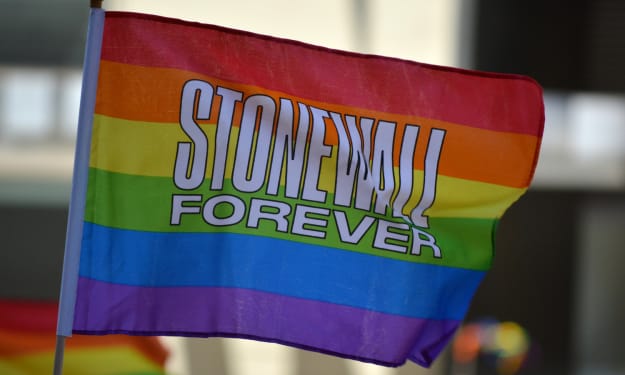
For nearly a decade, the LGBTQIA Pride Flag rippled in the wind at Christopher Park, a kaleidoscope of color staked into the soil of America’s first national monument to LGBTQIA+ liberation. That flag came down this week. Federal officials, citing new guidance from the Trump Administration, silently lowered the rainbow flag from its pole across the street from the Stonewall Inn. The birthplace of the modern gay rights movement now flies only the United States flag.
By Tim Carmichael27 days ago in Pride
A More Human Vocal
When we launched Vocal nearly a decade ago, the world was a very different place. LLMs did not exist, and stories were created one at a time by people sitting down to write, revise, and share something personal. Many of our assumptions about publishing, trust, and participation were built for a world where effort and output were inseparable.
By Justin @ Vocal5 days ago in Resources


Comments (1)
Nicely done — a clear and well-written piece.