
Tomgirls
Tomgirls: Redefining Gender Expression and Embracing Fluidity


Introduction: Beyond the Binary
In today's evolving landscape of gender identity and expression, the term "tomboy" has long been familiar but have you encountered its counterpart, the "tomgirl"? This emerging concept represents a fascinating shift in how we perceive and perform gender, challenging traditional norms and celebrating fluidity. Tomgirls typically individuals assigned male at birth who embrace traditionally feminine aesthetics, behaviors, or interests while still identifying as male are redefining masculinity in contemporary society. This exploration isn't just about fashion or hobbies; it's about authenticity, self-discovery, and the courageous rejection of restrictive gender boxes.
What Exactly Is a Tomgirl?
The term "tomgirl" blends "tom," referencing tomboy, with "girl," creating a linguistic mirror to its more established counterpart. While definitions vary, a tomgirl generally refers to someone who identifies as male but expresses themselves in ways society has traditionally coded as feminine. This might include:
Aesthetic choices: Incorporating "feminine" clothing items, colors, or accessories into their wardrobe
Behavioral traits: Expressing emotion openly, embracing nurturing roles, or rejecting aggression

Interest alignment: Engaging with hobbies, media, or activities stereotypically associated with femininity
Crucially, being a tomgirl is separate from being transgender. Tomgirls identify as male but reject the notion that masculinity must look or act one specific way. They represent an expansion of the male identity, not a departure from it.
The Cultural Context: From Historical Precedents to Modern Movements
While the term "tomgirl" feels contemporary, the reality it describes is not new. History is filled with examples of men who defied gender norms:
18th-century Macaroni: Young Englishmen known for extravagant, androgynous fashion
Romantic-era poets: Figures like Lord Byron who cultivated sensitivity and emotional depth
Glam rock and New Romantic icons: David Bowie, Boy George, and Prince blurred gender lines in music and style
What's different today is the language to describe these experiences and the growing cultural space to claim this identity openly. The modern tomgirl movement intersects with broader conversations about toxic masculinity, mental health, and LGBTQ+ rights, creating a more supportive environment for gender-nonconforming expression.
The Psychology of Tomgirl Identity: Why Labels Can Liberate
For many tomgirls, finding this terminology is profoundly validating. Growing up, they may have felt isolated, pressured to suppress their natural inclinations toward softness, artistry, or emotional expression. The tomgirl label provides:
A sense of community: Recognizing others with similar experiences reduces isolation
A framework for self-understanding: Helps articulate an experience that previously felt confusing
Permission to be authentic: Challenges internalized shame about not performing "traditional" masculinity
Psychologists note that allowing diverse gender expressions benefits mental health. Men who feel free to express themselves fully whether through fashion, tears, or nurturing behaviors often experience lower rates of depression and healthier relationships.
Fashion as a Frontier: The Tomgirl Aesthetic
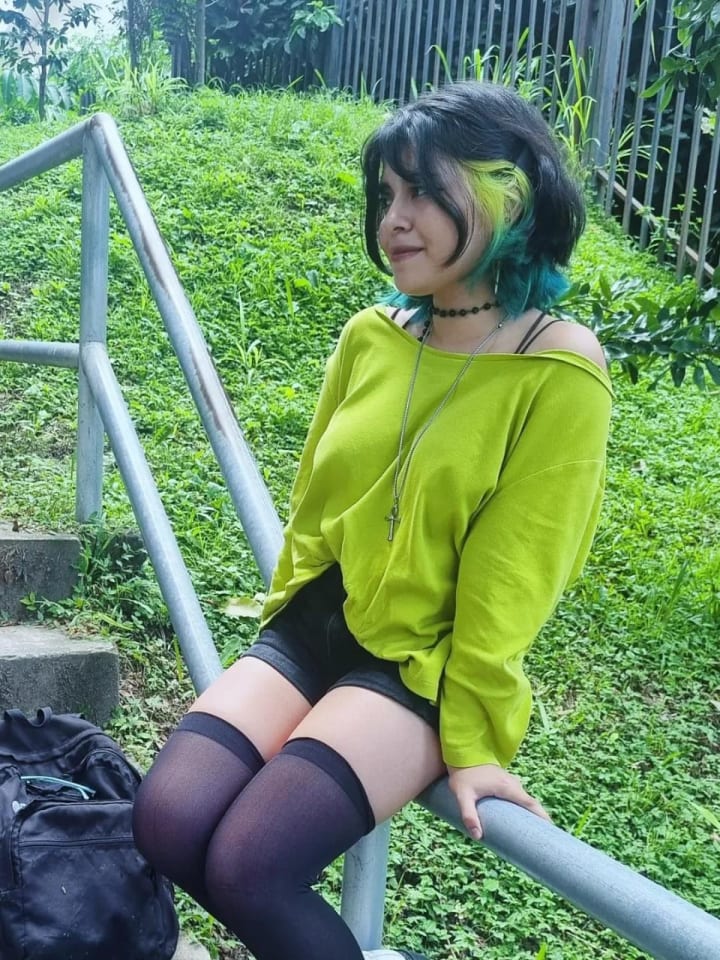
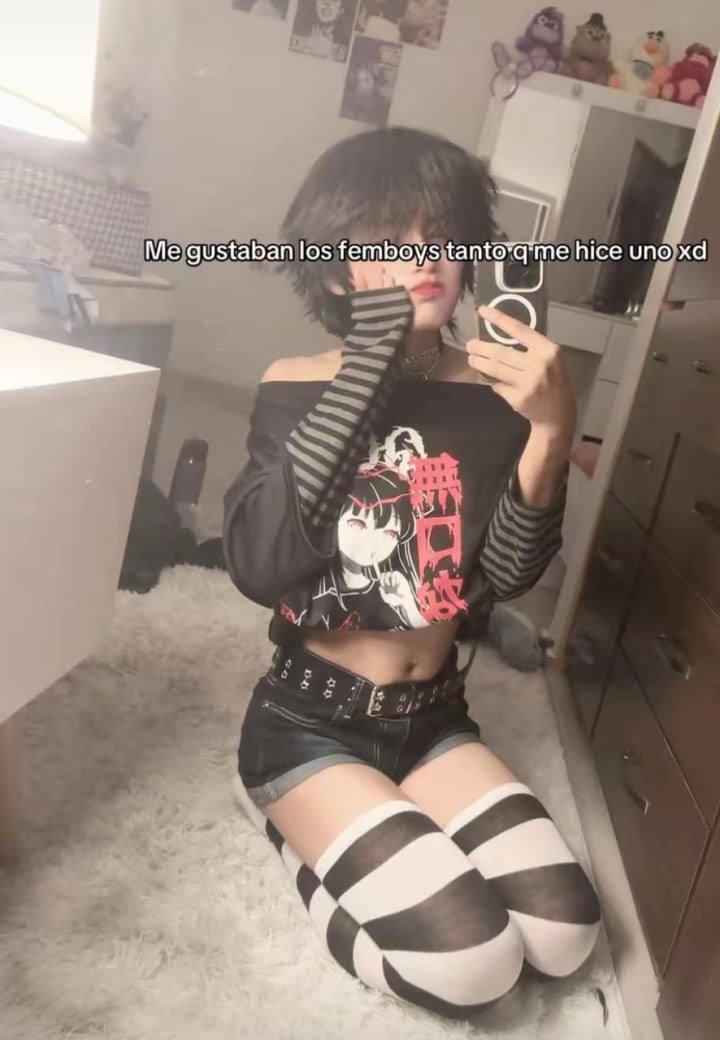
Perhaps the most visible domain of tomgirl expression is fashion. This isn't about mere cross-dressing but about curating a personal style that transcends the men's/women's binary. Key elements might include:
Color liberation: Embracing pastels, pinks, and purples traditionally marketed to women

Silhouette experimentation: Incorporating flowy fabrics, drapey cuts, or "feminine" jewelry
Accessory acceptance: Wearing bags, scarves, or hair accessories without gendered baggage
Social media platforms like Instagram and TikTok have become runways for tomgirl fashion, with influencers demonstrating that strength and masculinity can coexist with lace, silk, and statement earrings. Brands are taking notice too, with gender-neutral lines becoming increasingly common.
The Challenges: Navigating Stigma and Misunderstanding
Despite progress, tomgirls often face significant challenges:
Social stigma: Enduring teasing, bullying, or exclusion for not conforming to masculine norms
Misidentification: Being incorrectly labeled as gay or transgender when their identity is about expression, not orientation or gender identity
Professional concerns: Worrying about workplace discrimination based on their appearance

Internalized shame: Unlearning years of societal conditioning about "proper" male behavior
These challenges highlight why visibility and education matter. Every tomgirl who lives openly makes it easier for the next person to breathe freely.
Tomgirls and Relationships: Redefining Partnership
Tomgirl identity also transforms relationship dynamics. Romantic partners often discover:
Enhanced communication: Tomgirls frequently reject the "strong, silent" stereotype, favoring emotional openness
Redefined roles: Household duties, emotional labor, and decision-making become genuinely shared rather than gender-prescribed

Expanded possibilities: Relationships become spaces for mutual exploration beyond traditional scripts
Friendships benefit similarly, as tomgirls often foster environments where male friends feel safer expressing vulnerability.
The Bigger Picture: Tomgirls as Cultural Catalysts
The tomgirl phenomenon isn't just a personal identity it's a cultural corrective. By expanding what's acceptable for men, tomgirls contribute to:
Combatting toxic masculinity: Demonstrating that masculinity doesn't require aggression, dominance, or emotional suppression
Supporting feminist goals: Breaking down gender norms benefits all genders by reducing restrictive expectations

Advancing LGBTQ+ allyship: Challenging gender norms creates more space for everyone across the spectrum of identity
In this sense, the tomgirl movement aligns with broader efforts to create a more flexible, compassionate society.
How to Be an Ally to Tomgirls
If this concept resonates or you know someone exploring tomgirl identity, here's how to offer support:
Listen without assumption: Let people define their own identity and experience
Use preferred terminology: If someone identifies as a tomgirl, honor that language
Challenge gendered remarks: Speak up when you hear comments like "boys don't wear that"
Examine your own biases: Consider where you might unconsciously uphold rigid gender norms
Celebrate expression: Compliment choices based on personal style, not gender conformity
The Freedom of Authenticity
The rise of the tomgirl represents something beautiful: the expanding human right to self-definition. In a world that has long demanded men fit into a narrow, often suffocating box, tomgirls are punching holes in the walls and letting in light. They remind us that gender, at its best, is a palette for self-expression rather than a prison of expectations.

Whether through a boy in a skirt, a man who cries openly, or a father who prefers baking to baseball, tomgirls show us that breaking rules can mean breaking free. Their journey isn't about rejecting masculinity but about reimagining it as something kinder, more creative, and infinitely more human.
As society continues to evolve, perhaps we'll reach a day when terms like "tomgirl" become unnecessary not because the identity disappears, but because all gender expression is celebrated without special labels. Until then, tomgirls stand as vital pioneers, mapping territory for future generations to explore themselves without apology.

Thank you for reading. If this piece resonated with you, consider sharing it to continue this important conversation. Every voice that challenges narrow gender norms helps create a world where everyone can breathe easier in their own skin.
About the Creator
David Femboy
David here. Sharing my authentic femboy journey the outfits, the lessons, the life. For anyone exploring gender expression. Let’s redefine masculinity together. 💖
Keep reading
More stories from David Femboy and writers in Pride and other communities.
Tomgirl
Understanding the Tomgirl Identity In recent years, the term "tomboy" has been joined by its counterpart "tomgirl" as our cultural vocabulary expands to describe the beautiful spectrum of gender expression. A tomgirl typically refers to someone assigned male at birth who expresses themselves through traditionally feminine interests, aesthetics, behaviors, or mannerisms, while still identifying as male. This identity represents a powerful departure from restrictive gender norms and celebrates the freedom to express oneself authentically beyond societal expectations.
By David Femboy2 months ago in Pride
The Pride Flag and the Diversion
For nearly a decade, the LGBTQIA Pride Flag rippled in the wind at Christopher Park, a kaleidoscope of color staked into the soil of America’s first national monument to LGBTQIA+ liberation. That flag came down this week. Federal officials, citing new guidance from the Trump Administration, silently lowered the rainbow flag from its pole across the street from the Stonewall Inn. The birthplace of the modern gay rights movement now flies only the United States flag.
By Tim Carmichael17 days ago in Pride



Comments
There are no comments for this story
Be the first to respond and start the conversation.