
Representation feeds imagination
What happens when there are no role models?

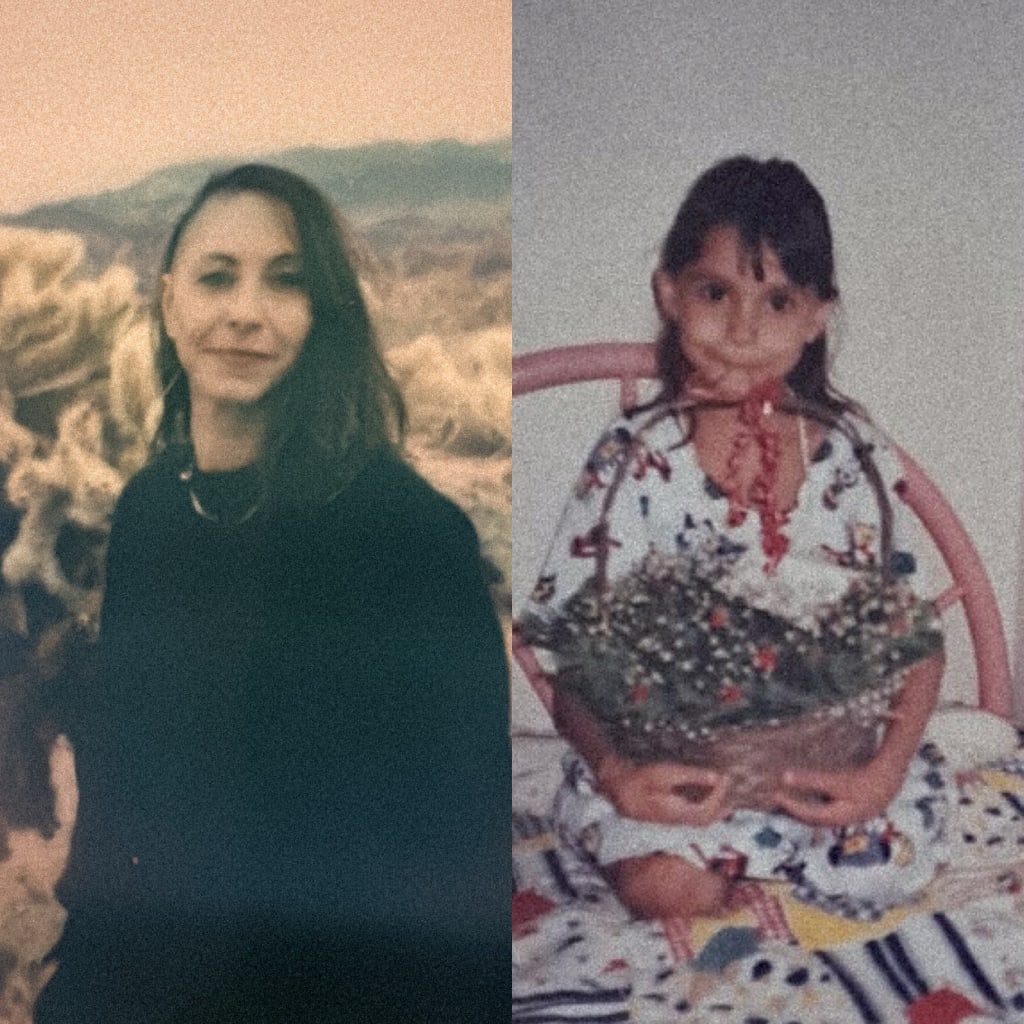
São Paulo-Brasil, 1998.
I was ten years old. Fourth grade. Every school day, my girlfriends and I would get together between classes to talk. I remember this day so clearly. It was an extra important day: Chiquititas, the most popular teen girls tv series at that time, had announced an open casting call for its second season, and they were looking for girls, like us. They were all excited and making plans for how they would submit their applications. I was not.
Even though I share the requirements just like them, I remember feeling removed from the possibilities they were introducing to me —like some invisible wall segregated us. As Iilistened to their plans, I couldn't make a plan of my own. My perspective was influenced by how that world existed.
Whenever I revisit this memory, I remember that I believed bodies like mine were not allowed on the screens. At that point, my archival collection of tv characters was failing diversity, and I had no clear conscience of the impact that had on my development as an adult and a human. The girl raised to be whatever she wanted, still had her imagination limited due to the lack of representation.
As I grew, I observed soap operas and their attempts to represent diverse communities, constantly landing on stories driven by sadness and excessive drama placing us as victims or incapable. That was not how my life felt. That was not how I perceived my reality. Movements towards equity misunderstood inclusion as the accurate solution; ignoring its existence is tied to exclusion.
As an adult, I now understand the importance of imaginative narratives, how every perspective carries relevant weight in building a collaborative and integrated society, and how utopian worlds are incredibly hard to build. Yet, it is all very much possible.
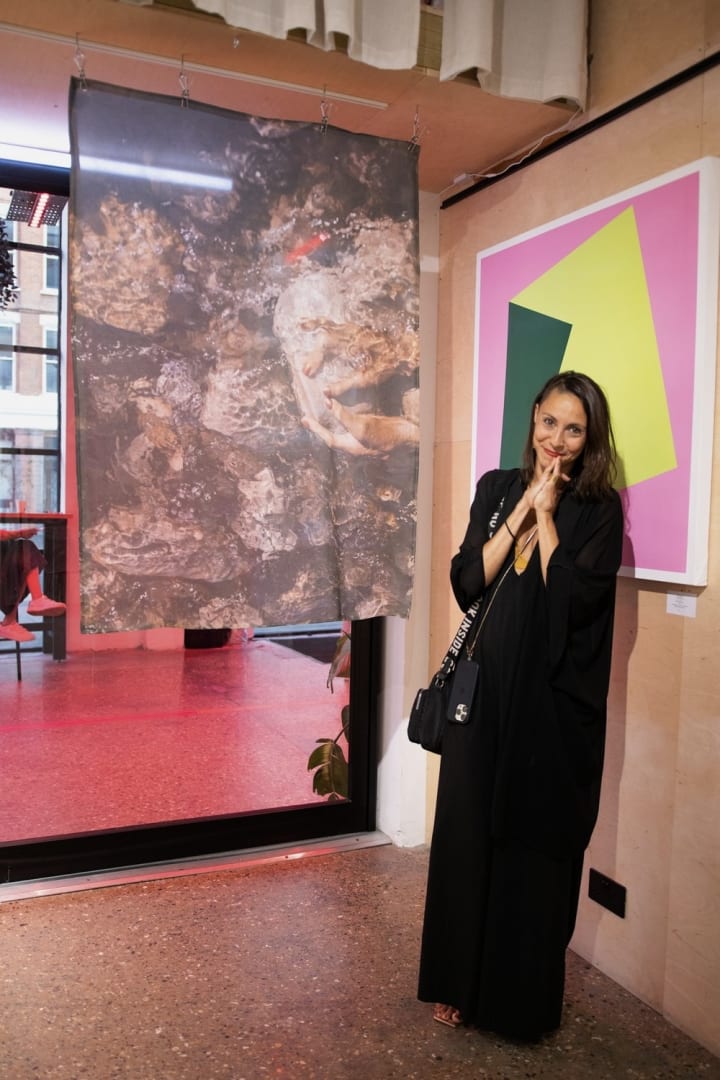
In my honest attempt to navigate this world as a collaborator, I have embraced art, using my personal experiences as inspirations to explore and expose my sincere thoughts. Finding healing to that ten-year-old girl alive inside me, 'I Am A Piece of Art' was born, hoping to create new possibilities of belonging while celebrating beauty of unalike bodies.
As I tap into artistic and creative explorations, I realized how much prejudice and misunderstanding I have experience but also I find voice and ways to express it that are benefit to the evolution of society. We can make this world a better place.
About the Creator
Dani Wieczorek
I write to share my own experience, perhaps it can inspire you.
Keep reading
More stories from Dani Wieczorek and writers in Pride and other communities.
The Pride Flag and the Diversion
For nearly a decade, the LGBTQIA Pride Flag rippled in the wind at Christopher Park, a kaleidoscope of color staked into the soil of America’s first national monument to LGBTQIA+ liberation. That flag came down this week. Federal officials, citing new guidance from the Trump Administration, silently lowered the rainbow flag from its pole across the street from the Stonewall Inn. The birthplace of the modern gay rights movement now flies only the United States flag.
By Tim Carmichael27 days ago in Pride
Daddy Patterns - Son of my Enemy
Distraught and bewildered, landowner Reginald Whitmore watched his son Maximilian burning with fever and delirious in his hospital bed in Ironwood Village. He had arrived a few moments earlier with his wife, thinking it was some kind of prank when he received the phone call, but now he was facing his youngest son in a critical, truly dangerous condition, when just a few hours earlier he had been perfectly healthy. Maximilian had returned to the Whitmore mansion just five days ago, and everything pointed to him spending a peaceful and productive summer there, trying, among other things, to repair his relationship with his father as much as he could. Reginald was diligently trying to make Maximilian's stay at Whitmore Vale as pleasant and safe as possible, as he had a secret intention to ask him to settle there permanently. The nurses removed Reginald's companions from the room, leaving only him and his wife inside. At the same time, Reginald threatened the medical staff to take good care of his son. "This is not just about my son's health. Your life is also on this bed," he said to the head doctor. "We are doing our best, sir," he replied. Maximilian, in his frenzy, had clenched the bed sheet in his fist and, with his eyes closed, was muttering incomprehensible words.
By Aurelian Everharta day ago in Pride



Comments
There are no comments for this story
Be the first to respond and start the conversation.