
Netflix is reportedly testing a search function powered by OpenAI
A Smarter Way to Search
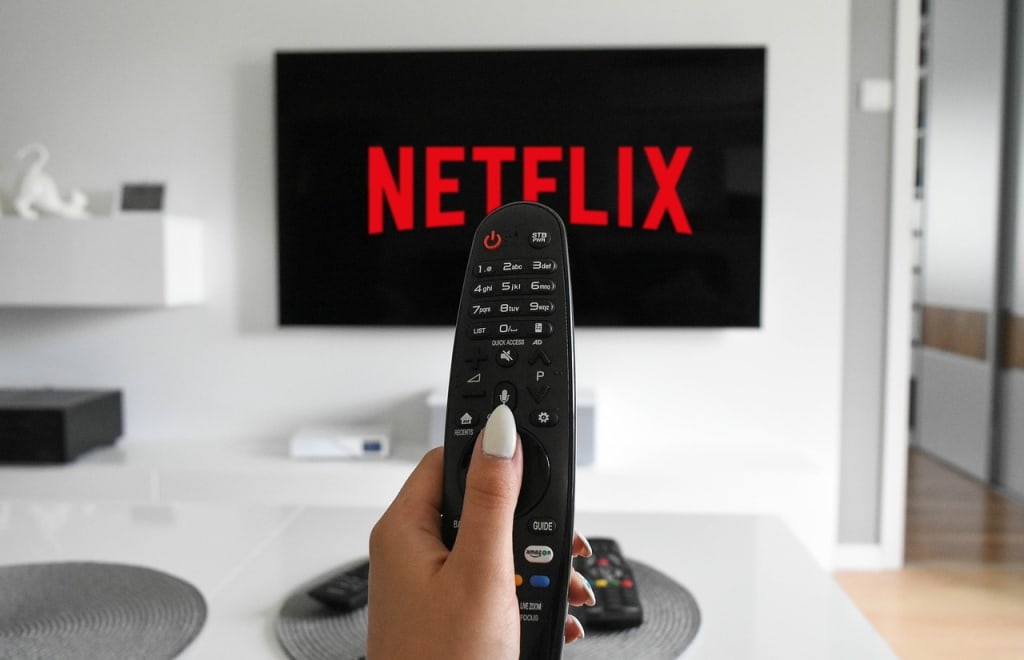
In a significant move that highlights the growing intersection of entertainment and artificial intelligence, Netflix is reportedly testing a new search function powered by OpenAI. This advanced feature is designed to improve how users find movies and TV shows, offering a more intuitive, intelligent, and personalized browsing experience. The goal is to move beyond the limitations of traditional keyword searches and provide users with results based on natural language queries, moods, and specific contexts.
Traditionally, Netflix users have relied on relatively straightforward search filters—by genre, actor, director, or title. While effective to a certain extent, this method often falls short when viewers are unsure of what they want to watch. The new OpenAI-powered search is a step towards solving this problem.
With this AI integration, users will be able to type in prompts like "feel-good comedies about friendship," "movies like Inception with a twist ending," or even "a show to watch when I'm feeling nostalgic." The AI will interpret the user's intent and generate relevant results, even if the exact titles or keywords aren't mentioned. This level of semantic understanding, made possible through large language models, opens up entirely new ways to discover content.
Early Testing in Select Markets
Netflix has begun testing this feature in beta, currently rolling it out to a select group of iOS users in Australia and New Zealand. According to reports, the company plans to gradually expand testing to the United States in the coming weeks and months. However, at this stage, the rollout is limited to iOS devices, and there's no confirmation on whether Android or web-based platforms will receive the update anytime soon.
This feature is opt-in, which means users can choose whether or not to participate in the beta test. By doing this, Netflix aims to gather valuable user feedback before considering a broader launch. User reactions, search performance, and engagement metrics will likely shape how the feature evolves over time.
A Natural Progression for Netflix
Netflix has long been known for using data-driven methods to improve its recommendation algorithms. From personalized homepages to trending categories tailored for specific users, machine learning plays a central role in Netflix’s user experience. Incorporating OpenAI's generative AI technology is a natural next step in this evolution.
Unlike traditional algorithms that rely heavily on historical viewing behavior, generative AI can understand and respond to conversational language. This means it can handle vague or complex queries and still deliver meaningful results. It also has the ability to understand sentiment, style, and narrative themes, offering a more human-like interaction with users.
Why Now?
The decision to integrate OpenAI's technology comes at a time when the streaming landscape is more competitive than ever. With platforms like Disney+, Amazon Prime Video, Apple TV+, and others vying for attention, user retention and engagement are more important than ever. Providing a frictionless and enjoyable content discovery process can be a major differentiator.
Moreover, the average viewer spends a significant amount of time—sometimes over 10 minutes—just deciding what to watch. An AI-powered search tool that can dramatically reduce this decision fatigue would not only improve user satisfaction but also increase watch time and overall platform engagement.
Looking Ahead
While Netflix hasn’t officially announced a full-scale release or detailed roadmap for this feature, the implications of such a rollout are substantial. If successful, this could pave the way for deeper AI integration across other parts of the Netflix ecosystem, including personalized trailers, dynamic episode summaries, and even AI-curated playlists or collections.
In the broader tech landscape, this move also showcases the increasing utility of generative AI in everyday applications. As tools like ChatGPT and other language models become more sophisticated, their integration into consumer products like Netflix could redefine how users interact with digital services.
For now, all eyes are on the beta test and how users respond to this new feature. If it delivers on its promise, the days of endlessly scrolling through Netflix might soon be a thing of the past.
About the Creator
Keep reading
More stories from Jony Ghosh and writers in Pride and other communities.
Android Introduces Auto-Reboot Feature for Enhanced Device Security
In a significant move toward enhancing mobile device security, Google has introduced a new feature for Android smartphones: automatic reboot after three consecutive days of being locked. This feature, which quietly rolled out in an update to Google Play Services on April 15, 2025, is now listed under the “Security & Privacy” section of system settings.
By Jony Ghosh9 months ago in Journal
“Friendship or Kindness”
The Court of Satan They were all five standing with their heads bowed. Satan’s disciples had captured them and brought them before the court of Satan. All five were confused, wondering what crime had led them to this dark place. The courtroom was silent, except for the occasional sinister laugh echoing from behind a black curtain.
By Sudais Zakwan6 days ago in Pride



Comments
There are no comments for this story
Be the first to respond and start the conversation.