
It is Too Early to Celebrate Women In Tech
Challenges, Barriers, and the Long Road to True Gender Equality in Technology.

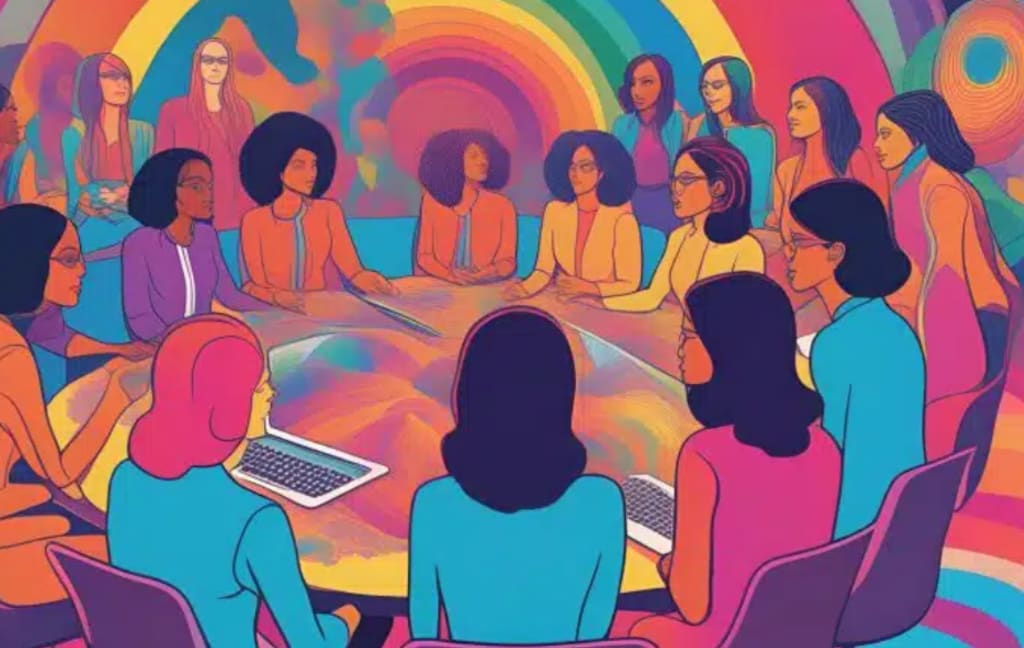
Technology has transformed every aspect of human life, and women have played a crucial role in shaping this digital revolution. However, while the industry boasts of progress in gender diversity, the harsh reality remains: it is too early to celebrate women in tech. The numbers, biases, and systemic barriers reveal that there is still a long way to go before women can truly claim equal space in the industry.
The Persistent Gender Gap
Women in Tech Statistics
The tech industry has long been dominated by men. Despite efforts to promote inclusivity, women still make up only a fraction of the workforce. According to reports, women occupy approximately 26% of computing-related jobs globally. This number drops significantly in leadership positions, where women hold less than 10% of executive roles in major tech companies.
For instance, in 2022, Google reported that women represented only 32% of its workforce, with even fewer in technical roles. Similarly, at Facebook (now Meta), women accounted for just 24% of technical positions. These numbers illustrate the slow pace of progress.
The Leaky Pipeline
One major issue contributing to this gap is the "leaky pipeline." Many young girls show an interest in STEM (Science, Technology, Engineering, and Mathematics) during school, but fewer pursue tech careers due to societal expectations, lack of mentorship, and workplace biases. Women who do enter the industry often leave due to hostile work environments, unequal pay, and limited growth opportunities.
For example, a study by the Center for Talent Innovation found that 56% of women in tech leave their jobs mid-career, citing biases, lack of career progression, and a toxic work culture.
The Pay Disparity

Gender Pay Gap in Tech
One of the most glaring inequalities in the tech industry is the gender pay gap. Women, on average, earn significantly less than their male counterparts for the same roles. Studies indicate that women in tech make about 80 cents for every dollar earned by men. This wage disparity is even more pronounced for women of color, who typically face additional layers of discrimination.
For example, in 2021, a study by Hired.com revealed that men were offered higher salaries than women for the same tech roles in 63% of cases. Even at major tech companies like Apple and Microsoft, internal reports have shown that pay disparities persist despite diversity initiatives.
Salary Transparency Issues
The pay gap persists despite increased awareness and legal frameworks aimed at promoting wage equality. Many companies claim to support gender diversity, yet when it comes to financial compensation, women continue to be undervalued. The lack of salary transparency further exacerbates the problem, making it difficult for women to negotiate fair pay.
Workplace Bias and Discrimination
Bias in Hiring and Promotions
Women in tech frequently experience workplace biases, both subtle and overt. They are typically subjected to microaggressions, questioned about their technical expertise, and overlooked for promotions. The infamous “bro culture” in tech firms creates an unwelcoming atmosphere, discouraging women from advancing in their careers.
For instance, in 2017, former Uber engineer Susan Fowler exposed the toxic culture at Uber, detailing incidents of harassment, discrimination, and gender bias. Her revelations led to leadership changes but highlighted the deep-rooted challenges women face.
Sexual Harassment in Tech Companies
Sexual harassment remains another major concern. Several high-profile cases have exposed the toxic work culture in major tech firms. Despite policies aimed at preventing harassment, many women hesitate to report such incidents for fear of retaliation or damage to their careers.
For example, in 2020, Pinterest had to pay $22.5 million to settle a gender discrimination lawsuit filed by its former COO, Francoise Brougher. She alleged that she was sidelined and eventually fired for raising concerns about workplace bias.
The Struggle for Leadership Roles
The Glass Ceiling in Tech
Leadership in the tech industry remains overwhelmingly male-dominated. The “glass ceiling” effect prevents many talented women from rising to executive positions. Even when women attain leadership roles, they often face resistance, with their decisions questioned more frequently than their male counterparts'.
For example, Ginni Rometty, the former CEO of IBM, was one of the few women to lead a major tech company. However, her leadership was typically scrutinized more harshly than her male peers. Similarly, Sheryl Sandberg, former COO of Meta, faced numerous challenges in a male-dominated executive team.
Lack of Role Models
The underrepresentation of women in leadership is not just a diversity of issue; it impacts the entire industry. Studies show that diverse leadership teams lead to better decision-making, innovation, and financial performance. Companies that fail to promote women to leadership positions miss out on valuable perspectives and ideas.
Women in Startups and Entrepreneurship
Challenges in Securing Funding
The situation is even worse in the startup ecosystem. Female entrepreneurs face significant challenges in securing funding for their ventures. A staggering 98% of venture capital funding goes to startups led by men, while women-led startups struggle to attract investors.
For instance, in 2021, Bumble founder Whitney Wolfe Herd became the youngest self-made female billionaire, but her success is an exception rather than the norm. Many women struggle to secure funding, facing biases from male-dominated investor circles.
Investor Bias and Business Growth
Additionally, female founders often find it difficult to gain credibility in male-dominated investor circles. They are frequently subjected to patronizing questions about balancing work and family, questions rarely directed at male entrepreneurs. This systemic bias limits the growth of women-led startups and stifles innovation in the industry.
The Need for Stronger Policies and Cultural Shifts
Implementing Equal Pay and Fair Promotions
To address these deep-rooted issues, tech companies and governments must take proactive measures. Implementing and enforcing equal pay policies, creating safe and inclusive workplaces, and promoting mentorship programs for women in tech are crucial steps toward closing the gender gap.
Encouraging Girls in STEM
Educational institutions also play a vital role in encouraging more girls to pursue STEM careers. Schools should provide better exposure to technology, coding, and engineering from an early age, ensuring that young girls develop confidence in their technical abilities.
For example, initiatives like Girls Who Code, and She Codes are making significant strides in empowering young girls to enter the tech industry.
Changing Workplace Culture
Additionally, companies need to challenge workplace biases by implementing unbiased hiring processes, conducting gender-sensitivity training, and ensuring fair opportunities for promotions. More women in leadership positions can inspire and empower future generations to break into the tech industry.
Conclusion
While progress has been made in promoting gender diversity in tech, celebrating prematurely would be a mistake. Women still face significant barriers in the industry, from pay disparities to workplace discrimination and leadership biases.
Real change requires a sustained effort from all stakeholders, including companies, investors, educational institutions, and policymakers. Until women in tech receive equal opportunities, fair pay, and a truly inclusive work environment, the industry cannot claim victory. Instead of celebrating prematurely, we must continue to push for a future where gender equality in tech is not just an aspiration but a reality.
About the Creator
Ramesh Mahato
Experienced content writer, blog writer, and translator passionate about crafting engaging, SEO-optimized content. I specialize in writing informative articles, blog posts, and accurate translations that captivate readers and drive results
Keep reading
More stories from Ramesh Mahato and writers in Pride and other communities.
Self-Confidence, Thy Name Is 'Virat Kohli'
The Viral Phenomenon of Virat Kohli A video that recently went viral captured cricket fans in Murree, a picturesque town near Islamabad-Rawalpindi, cheering wildly for Virat Kohli as he smashed his 51st ODI century against Pakistan. This wasn’t just another instance of Pakistani fans appreciating an Indian cricketer’s brilliance; it was a testament to the universal appeal of Virat Kohli. The scene raises an intriguing question: Can we ever imagine a similar scenario in India, where fans celebrate a Pakistani batsman’s century with such unbridled enthusiasm?
By Ramesh Mahato about a year ago in Pride
Hottest in the Office
Dear Rafi, You’re very distracting to work around. For the first second I saw you the other day, I thought you were some type of executive. It took a moment to realize no, you were just the new guy, dressed up for the job he wants. Be still, my heart.
By Gabriel Shames2 days ago in Pride
Rani Vanouska T. Modely : Building a Humanitarian Vision Through Football
In an era defined by rapid visibility and short attention cycles, few figures attempt to build projects designed to outlast their own presence. Rani Vanouska T. Modely belongs to that rare category.
By Mark Walker6 days ago in Pride
Worth the Wait: Puerto Viejo, Costa Rica
Beach bumming in a small Caribbean beach town sounded like a perfect way to end our 6-month trip through Mexico and Central America. Or so we thought. The foul, fishy stench of rotten seaweed hit our nostrils as we stepped from the cramped bus and looked out at a rather depressing, empty, and underwhelming black sand beach. It was pouring with rain, and we had to quickly fish out our ponchos. We thought, this couldn’t be it, could it?
By Sh*t Happens - Lost Girl Travel7 days ago in Wander




Comments (2)
Nice work! I really enjoyed this. Keep up the good work.
No it’s not too early at all♦️♦️♦️