
Is angel dust a femboy
Is Angel Dust a Femboy? Unpacking the Complex Identity of Hazbin Hotel's Wildest Star


In the vibrant, sinful chaos of the Hazbin Hotel universe, no character commands attention quite like Angel Dust. The adult-film-star spider demon, with his flirtatious demeanor, revealing outfits, and razor-sharp wit, has become an instant icon. But within the fervent fan discussions, one question persistently buzzes: "Is Angel Dust a femboy?"
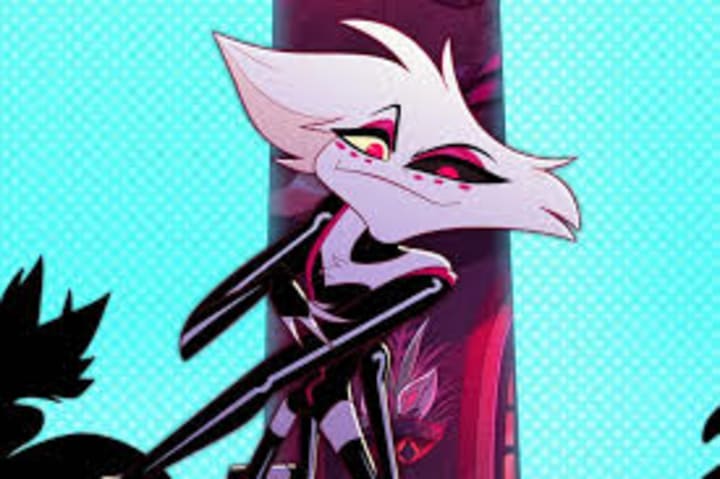
The question seems simple, but the answer is a fascinating deep dive into character design, queer coding, terminology, and canonical identity. It’s a query that speaks volumes about how audiences connect with and categorize complex characters. Let’s untangle the web of aesthetics, identity, and semantics to understand who Angel Dust truly is.
What Does "Femboy" Actually Mean?
Before we can apply any label, we must define it. In contemporary internet and LGBTQ+ subculture, a "femboy" (a portmanteau of "feminine boy") typically refers to a person, usually male-identifying, who adopts a traditionally feminine style of dress, appearance, and mannerisms. Key to the term is the emphasis on gender expression rather than gender identity. A femboy generally identifies as male but enjoys expressing femininity.
It’s a term of aesthetic and expression, existing under the broad umbrella of gender nonconformity. It’s distinct from being a transgender woman, where one’s gender identity is female, regardless of presentation.
Angel Dust’s Canonical Identity: Anthony, The Gay Man
This is the most critical piece of the puzzle. Creator Vivienne "VivziePop" Medrano and the Hazbin Hotel team have been explicitly clear about Angel’s canonical identity.
He Uses He/Him Pronouns: Consistently, both in the show and in all official material.
He Identifies as Male: His given name is Anthony, and he is referred to as a "he" and a "guy."
He is Openly and Flamboyantly Gay: His attractions and relationships are squarely with other men, most notably his complicated dynamic with the stoic bartender, Husk.
In the show’s own lore, Angel Dust is a flamboyant, feminine-presenting gay man. This canonical fact is the bedrock of his character.
The Case For the "Femboy" Label (It's About Expression)
So, if Angel identifies as male, why the debate? The argument for labeling him a femboy stems entirely from his gender expression, which is spectacularly, unapologetically feminine.
Fashion and Aesthetics: Angel’s design is a masterclass in feminine coding. He sports a crop top, short shorts, thigh-high boots, fluff boa, and heavy makeup (including long eyelashes and painted lips). His color palette is soft pinks and whites. His silhouette and clothing choices are deliberately lifted from hyper-feminine pin-up and burlesque styles.
Mannerisms and Performance: His body language the hip sways, the hair flips, the delicate hand gestures are performatively feminine. His entire persona is a heightened, dramatic performance of seduction rooted in a feminine archetype.
Vocal Performance: Michael Kovach’s voice acting in the pilot (and now Blake Roman in the Amazon series) uses a distinctly higher, more melodious register that contrasts with more traditionally "masculine" demon voices like Husk or Alastor.
From a purely visual and behavioral standpoint, Angel Dust performs femininity while identifying as male. For many fans, this aligns perfectly with the "femboy" aesthetic label.
The Nuances and Arguments Against
However, slapping the "femboy" tag on him isn't without its complications and community pushback.
Reduction of a Complex Character: Angel is more than his presentation. He is a trauma survivor, a substance abuser, a victim of an exploitative contract with Valentino, and someone with a deeply hidden yearning for genuine love and respect. Calling him simply a "femboy" can feel reductive, focusing only on his aesthetic while minimizing his profound narrative depth.
A Term of Empowerment vs. Description: "Femboy" is a label often claimed by individuals for themselves. While Angel is a fictional character, applying a very specific, community-driven term to him can feel presumptuous if it’s not explicitly canon. His canonical label is a "feminine gay man."
The Shadow of Stereotypes: There's a long, problematic history of conflating flamboyant gay men with being "like women." Some argue that enthusiastically calling Angel a femboy might unintentionally reinforce the outdated idea that feminine gay men aren't "real men." His character fights against such reductive boxes in his story.
Why This Debate Matters: Representation and Visibility
The fervor around the question "is Angel Dust a femboy?" highlights something beautiful about modern fandom and representation.
Audiences Crave Mirrors: LGBTQ+ and gender-nonconforming fans see a part of themselves in Angel in his defiance, his flair, and his struggle to be loved for who he is. Using terms like "femboy" can be a way to claim him as a specific kind of representation they identify with.
It Expands Mainstream Animation's Vocabulary: Hazbin Hotel brings nuanced queer identities to a mainstream platform. This debate introduces audiences to terms and concepts like gender expression vs. identity, fostering greater understanding.
He Exists in a Spectrum: Angel Dust challenges simple binaries. He is masculine in his profession (a top-tier fighter, as seen in the pilot) and in his defiant resilience, yet wholly feminine in his presentation. He embodies a spectrum that feels real and relatable to many.
The Verdict: Canon vs. Fanon
So, what’s the final answer?
Canonically: Angel Dust is not called a femboy. He is a feminine-presenting, flamboyant gay man.
In Fanon & Personal Interpretation: It is completely valid for fans to interpret his aesthetic expression as aligning with the femboy archetype. The visual and behavioral evidence is strong. Many fans comfortably and affectionately use the term to describe his style.
The beauty of a character as well-written as Angel Dust is that he can hold multiple truths at once. He is a testament to the idea that masculinity can look like anything it can be wrapped in pink fur, adorned with glitter, and still be fiercely, authentically male.
Conclusion: Celebrating the Complexity
Ultimately, asking "Is Angel Dust a femboy?" is more fruitful than answering it. The discussion leads us to appreciate the careful craft of his character, the importance of precise language around identity, and the hunger for diverse representation in media.
Angel Dust refuses to be put in a box whether it’s one crafted by his abusive overlord Valentino or by well-meaning fans trying to categorize him. He is Anthony, a survivor. He is Angel Dust, a performer. He is a work of art in fishnets and flair, challenging Hell and the audience alike to look beyond the surface. In the end, perhaps the most accurate label for him is the one that encompasses all his contradictions: unapologetically himself.
What do you think? Does the "femboy" label fit Angel Dust's style, or do you prefer his canonical identity as a feminine gay man? Share your thoughts in the comments below!
About the Creator
David Femboy
David here. Sharing my authentic femboy journey the outfits, the lessons, the life. For anyone exploring gender expression. Let’s redefine masculinity together. 💖
Keep reading
More stories from David Femboy and writers in Pride and other communities.
The Pride Flag and the Diversion
For nearly a decade, the LGBTQIA Pride Flag rippled in the wind at Christopher Park, a kaleidoscope of color staked into the soil of America’s first national monument to LGBTQIA+ liberation. That flag came down this week. Federal officials, citing new guidance from the Trump Administration, silently lowered the rainbow flag from its pole across the street from the Stonewall Inn. The birthplace of the modern gay rights movement now flies only the United States flag.
By Tim Carmichael22 days ago in Pride
Who is your "Person"?
It's important to recognize that you cannot go through life as easily on your own. My name is Elizabeth and I'm a survivor of child abuse and horrific trauma. Healing from trauma is not a quick fix and recognizing that it will take time, is part of the struggle.
By Elizabeth Woods3 days ago in Psyche


Comments
There are no comments for this story
Be the first to respond and start the conversation.