
I Quit Social Media for a Week: Here’s How It Saved My Mental Health
The 7-Day Social Media Detox Experiment

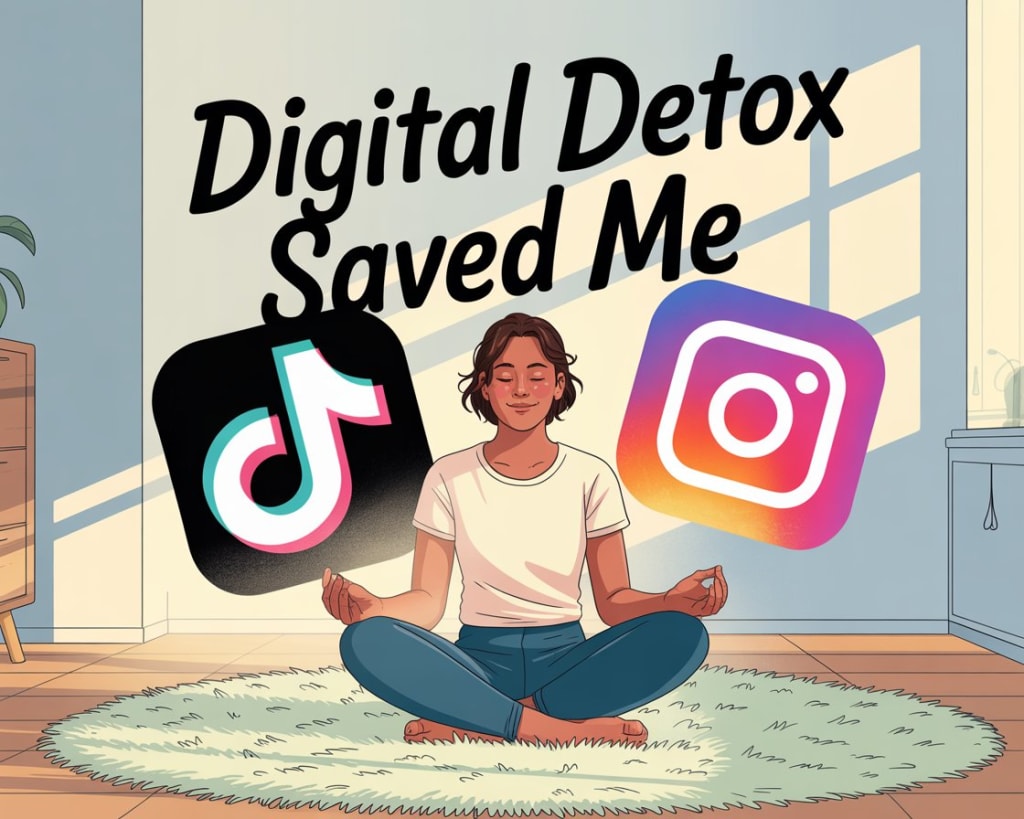
I Quit Social Media for a Week: Here’s How It Saved My Mental Health
In 2025, social media is inescapable. TikTok trends, X debates, and Instagram reels flood our screens, demanding attention. But what happens when you step away? I quit social media for seven days, and the results shocked me. Here’s my story, plus tips to protect your mental health in the digital age.
Why Social Media Was Breaking Me
Every morning, I’d grab my phone and dive into X posts or TikTok videos before brushing my teeth. It wasn’t just a habit—it was an addiction. I’d compare my life to curated feeds, feel anxious over trending debates, and lose hours to mindless scrolling. Studies in 2025 show social media overuse spikes anxiety and depression, and I was living proof. My breaking point? A sleepless night after arguing with strangers online over a viral X post.
The 7-Day Social Media Detox Experiment
Desperate for clarity, I deleted TikTok, X, and Instagram from my phone. No notifications, no FOMO—just me and the real world. The first day was torture; my thumb kept swiping at nothing. But by day three, something shifted. I noticed birds chirping outside. I read a book. I slept. By day seven, I felt lighter, like I’d shed a weight I didn’t know I carried.
What I Learned About Myself
Without social media’s noise, I faced my insecurities head-on. I wasn’t chasing likes or validation. I journaled, cooked new recipes, and called a friend—things I hadn’t prioritized in months. Data backs this up: a 2025 study found that reducing screen time boosts mood and focus. For me, it was like hitting a mental reset button.
The Hard Part: Coming Back Online
Reinstalling the apps was tricky. I didn’t want to spiral back into old habits. So, I set boundaries: no scrolling before 10 a.m., 30-minute daily limits, and muting toxic accounts. It’s not perfect, but it’s progress. My anxiety’s down, and I’m more present.
How Social Media Shapes Mental Health in 2025
Social media isn’t evil—it connects us, sparks creativity, and amplifies voices. But its dark side is real. Algorithms push polarizing content, and 2025’s fast-paced trends (like TikTok’s 15-second challenges) keep us hooked. Experts say constant exposure rewires our brains, shortening attention spans and spiking stress. Ever feel drained after an hour on X? That’s why.
3 Tips to Protect Your Mental Health Online
Want to tame social media’s grip? Here’s what worked for me:
Try a Mini-Detox: Start with 24 hours offline. Notice how you feel without notifications. Apps like Forest can block distractions.
Curate Your Feed: Unfollow accounts that stress you out. Follow creators who inspire or educate, like mental health advocates on X.
Set Time Limits: Use your phone’s screen-time tools to cap daily use. I stick to 30 minutes, and it’s a game-changer.
Why This Matters Now
In 2025, we’re more connected than ever, yet lonelier too. Social media promises community but often delivers comparison and chaos. My week offline taught me balance is possible. It’s not about quitting forever—it’s about taking control. If I can do it, so can you.
What’s your relationship with social media? Tried a detox? Share in the comments—I’d love to hear your story!
About the Creator
Doctor Strange
Publisher and storyteller on Vocal Media, sharing stories that inspire, provoke thought, and connect with readers on a deeper level
Keep reading
More stories from Doctor Strange and writers in Pride and other communities.
How Distraction Replaces Revolution
In ancient Rome, emperors discovered a powerful secret: keep the people fed and entertained, and they won’t rebel. The poet Juvenal coined the phrase “panem et circenses” — bread and circuses — to mock a society that had traded its political freedom and civic duty for cheap pleasures and full stomachs. Fast forward two thousand years, and the strategy still thrives — only now, the circus fits in your pocket, and the bread comes with a dopamine rush.
By Doctor Strange8 months ago in Journal
“Friendship or Kindness”
The Court of Satan They were all five standing with their heads bowed. Satan’s disciples had captured them and brought them before the court of Satan. All five were confused, wondering what crime had led them to this dark place. The courtroom was silent, except for the occasional sinister laugh echoing from behind a black curtain.
By Sudais Zakwan4 days ago in Pride


Comments
There are no comments for this story
Be the first to respond and start the conversation.