


Dressing in suits has long been associated with professionalism, sophistication, and a sense of personal style. Suits have evolved over centuries from functional garments to symbols of authority, elegance, and social status. Today, understanding the importance of suit dressing involves exploring its history, components, styles, occasions, and tips for choosing the right suit to make a lasting impression.
**Historical Background of Suit Dressing**
The origins of the modern suit can be traced back to the 17th century, evolving from the more elaborate and ornate garments of earlier centuries. By the 19th century, the suit became standardized with the advent of the three-piece ensemble—jacket, waistcoat, and trousers—becoming the attire of choice for businessmen, politicians, and the upper class. Over time, suits transitioned from formal wear reserved for the elite to a staple of everyday professional life, symbolizing respectability and authority.
**Components of a Suit**
A typical suit comprises several key elements:
1. **Jacket (Blazer or Suit Coat):** The outer garment that provides structure and formality. Jackets vary in style—single-breasted or double-breasted, with notch, peak, or shawl lapels. The fit and fabric significantly influence the overall appearance.
2. **Trousers:** Usually matching the jacket in color and fabric. Tailoring ensures a sleek silhouette, with preferences for slim, straight, or classic cuts based on current fashion and personal comfort.
3. **Shirt:** Usually a crisp button-down shirt, often in white or light shades for formal settings. The collar style (point, spread, or button-down) complements the tie and suit overall.
4. **Tie or Bow Tie:** Adds a touch of elegance and personal flair. The choice of tie—solid, patterned, silk—can influence the formality and style statement.
5. **Accessories:** Cufflinks, pocket squares, belts, and watches complete the ensemble, allowing for personalization and subtle expression of style.
**Styles and Variations**
Suits come in various styles tailored to different occasions and personal tastes:
- **Classic Fit:** Emphasizes comfort with a more relaxed cut, suitable for daily office wear.
- **Slim Fit:** Tighter cut for a modern, streamlined look, popular among younger professionals.
- **Double-Breasted:** Features overlapping front flaps and two parallel columns of buttons, conveying a more formal or vintage vibe.
- **Three-Piece Suit:** Includes a waistcoat, adding sophistication and versatility.
- **Lounge or Business Casual Suits:** Less formal, often in lighter fabrics and softer cuts for less strict environments.
Fabric choices also matter. Wool remains the most popular for its durability and versatility. Linen suits are ideal for warm climates, while tweed offers a classic, textured appearance for casual or country settings.
**Occasions for Suit Dressing**
Suits are versatile, appropriate for numerous occasions:
- **Business and Office Settings:** The standard uniform in many industries, signaling professionalism and seriousness.
- **Formal Events:** Weddings, galas, and award ceremonies often require tuxedos or formal suits.
- **Interviews:** Wearing a well-fitted suit demonstrates respect and seriousness about the opportunity.
- **Funerals:** Conservative dark suits show respect and solemnity.
- **Casual or Stylish Settings:** Fashion-forward individuals may opt for less traditional suit styles or pairing suits with sneakers for a contemporary look.
**Choosing the Right Suit**
Selecting an appropriate suit involves considering several factors:
- **Fit:** The most critical aspect. A well-fitting suit should contour to the body without tightness or looseness. Shoulder seams should align with the natural shoulder line, sleeves end just above the wrist bone, and trousers break slightly over the shoes.
- **Color:** Dark colors like navy, charcoal, or black are versatile and suitable for most formal occasions. Lighter shades are perfect for daytime events or warmer climates.
- **Fabric:** Choose based on climate and occasion. Wool is durable and versatile; linen is breathable; synthetic blends can be budget-friendly.
- **Personal Style:** While adhering to dress codes, individuals can express personality through accessories, tie patterns, shirt colors, and pocket squares.
**Dressing in Suits for Different Body Types**
Tailoring is essential to ensure the suit complements the wearer's physique:
- **Tall and Slim:** Opt for slim-fit suits that highlight their stature.
- **Shorter or Stockier:** Choose tailored, structured suits with vertical lines to elongate the appearance.
- **Broad Shoulders:** Balance with tapered trousers and avoid overly padded shoulders unless seeking a bold, vintage look.
**Maintenance and Care**
To maintain the integrity of a suit:
- **Regular Dry Cleaning:** Avoid over-cleaning to prevent fabric damage. Use steamers to remove wrinkles.
- **Proper Storage:** Hang suits on quality hangers to preserve shape. Use garment bags for travel.
- **Rotation:** Avoid wearing the same suit consecutively to allow fabrics to breathe.
**Modern Trends and Fashion Tips**
Contemporary suit dressing embraces personalization:
- **Mixing and Matching:** Pair different jackets and trousers for a mix-and-match look.
- **Casual Elements:** Incorporate sneakers or casual shirts for a relaxed yet stylish appearance.
- **Bold Accessories:** Statement ties, pocket squares, or unique cufflinks add personality.
- **Layering:** Combining suits with sweaters or vests for versatility.
**Conclusion**
Dressing in suits remains a timeless expression of style, professionalism, and confidence. While traditional in many respects, modern fashion allows for creativity and individuality within the framework of suit dressing. Whether for formal occasions, business environments, or personal style statements, understanding the components, styles, and proper fit of suits empowers individuals to present themselves with poise and sophistication. Investing in quality, tailoring appropriately, and paying attention to details like accessories and fabric choice can elevate one’s appearance and make a positive, lasting impression.
About the Creator
The Pride Flag and the Diversion
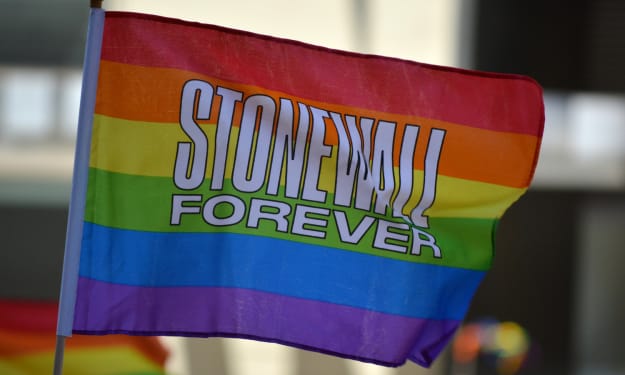
For nearly a decade, the LGBTQIA Pride Flag rippled in the wind at Christopher Park, a kaleidoscope of color staked into the soil of America’s first national monument to LGBTQIA+ liberation. That flag came down this week. Federal officials, citing new guidance from the Trump Administration, silently lowered the rainbow flag from its pole across the street from the Stonewall Inn. The birthplace of the modern gay rights movement now flies only the United States flag.
By Tim Carmichael20 days ago in Pride
I wanted to title this something different, but worried that my chosen title might cause problems entering the United States in the future so this is the new title. It's the greatest title. No one has ever written a title better than this. (All titles unrelated to content).
Let me be honest. I am finding this difficult. Now, I like a challenge, a stretch, a bit of an obstacle course. “Write about the decline of the British Empire in the form of a narrative poem in which your protagonist is an artichoke” I read, and flex my fingers. “Write a haiku to evoke the sensation of sibilance using only the first half of the alphabet.” “Well”, I think to myself, “this should be fun.” But “write about a system that isn’t working”? A system that isn’t working? Now? In 2026? ONE system? My favourite system that isn’t working? The sexiest system that isn’t working? The one giving me the most angst day to day? The one giving me the most existential dread? I am, as I say, finding this difficult. I will own that I have contemplated writing a thousand words on why the steady “all on” setting on my fairy lights is the EIGHTH of seven options which must be sequentially activated to get there, because that is a system that some fool came up with and it definitely doesn’t work, and now who is paying the price, eh? But how can I write about my fairy lights when…. When…. When….
By Hannah Moore5 days ago in Humans



Comments
There are no comments for this story
Be the first to respond and start the conversation.