
Happy Pongal
Celebrating the Harvest Festival in South India: Pongal

Pongal is a four-day-long harvest festival celebrated in the India at the state of Tamil Nadu, and also by the Tamil Peoples in Sri Lanka, Singapore, Malaysia and other countries. It is celebrated on the 14th or 15th of January every year, and marks the start of the sun's six-month-long journey northwards, also known as the Uttarayana. Pongal is a thanksgiving festival, where people thank the sun and nature for a good harvest and pray for prosperity in the coming year.
Pongal holds great significance in South Indian culture as it marks the end of the winter solstice and the start of the harvest season. It is a time for families to come together and celebrate the abundance of the harvest, and to give thanks for the blessings they have received. The festival also symbolizes the victory of good over evil, as it is believed that the sun, which is worshiped during Pongal, dispels the darkness and cold of winter and brings warmth and light to the earth. Pongal is also an important festival for farmers, as it marks the end of the harvest season and the start of a new agricultural cycle. The festival is also associated with many traditional customs and rituals, such as drawing colorful kolam designs in front of houses, preparing sweet pongal and other traditional foods, and decorating cows and bulls. Pongal celebrations also feature traditional folk performances such as Jallikattu and a bull race, which are considered as important cultural heritage of Tamils.
The origins of Pongal can be traced back to ancient times, as it has been celebrated in South India for thousands of years. The word "Pongal" is derived from the Tamil word "Pongu" which means "to overflow" or "to boil over", which is a reference to the traditional sweet dish made of rice, lentils, and milk that is prepared during the festival.
The festival is believed to have originated as a way to mark the end of the winter solstice and the start of the harvest season. People would give thanks for a good harvest and pray for prosperity in the coming year. The festival is also associated with the worship of the sun, which is believed to bring warmth and light to the earth after the cold and darkness of winter.
Pongal is also believed to have been celebrated in ancient Dravidian culture, which was one of the oldest cultures in the Indian subcontinent. The Dravidian people would offer prayers to nature deities, especially the sun god, for a bountiful harvest and prosperity.
Over the centuries, Pongal has evolved and become an important festival not only for farmers but also for the entire community, it has become a festival of joy and celebration that is enjoyed by people of all ages and backgrounds.
The evolution of Pongal celebrations through the years has been shaped by various cultural and historical influences. In ancient times, Pongal was primarily a festival of thanksgiving for a good harvest and a time to pray for prosperity in the coming year. The festival was celebrated by farmers and rural communities, who would prepare sweet pongal and other traditional foods, decorate their homes and cattle, and participate in rituals such as drawing colorful kolam designs in front of houses.
Over time, as the festival spread to urban areas and became more popular among different social groups, the celebrations became more elaborate and diverse. For example, the traditional sport of Jallikattu (also known as Eruthazhuvuthal) and bull race, which was initially associated with the rural communities, became an important part of Pongal celebrations in cities and towns.
As the festival became more popular, it also became more commercialized, and various forms of entertainment, such as folk performances and cultural programs, were added to the celebrations. Pongal is also celebrated in other countries where there is a significant Tamil population, such as Sri Lanka, Singapore, Malaysia, and other countries, which has led to the incorporation of different cultural elements into the celebrations.
In recent years, Pongal has become an important cultural event that is celebrated not only by Tamils but by people of all backgrounds. It is an occasion for people to come together, celebrate the harvest, and enjoy traditional food and entertainment. Many government and private organizations also conduct various events, competitions and cultural programs to celebrate the Pongal festival.
tradition associated with Pongal that are still practiced today. Some of the most notable include:
- Preparing Pongal: Pongal is a sweet dish made of rice, lentils, and milk that is traditionally prepared on the first day of the festival. It is considered as the main offering to the Sun god and is shared among family and friends.
- Drawing Kolam: Kolam is a traditional art form in which colorful designs are drawn using rice flour or chalk powder in front of houses. It is believed that the designs bring good luck and prosperity to the household.
- Decorating Cows and Bulls: Cows and bulls are decorated with colorful beads and bells, and are taken out in a procession on the streets. This is a way to honor the animals that are considered sacred in Hindu culture and have played a vital role in agriculture.
- Jallikattu: Jallikattu is a traditional bull-Hugging sport, also known as Eruthazhuvuthal(Hugging Bull), that is held as part of Pongal celebrations in some parts of Tamil Nadu.
- Pongal Pot: Pongal pot is a traditional pot made of clay, which is decorated and placed in front of the houses on the first day of the festival. A mixture of rice, turmeric, and cow's milk is boiled in the pot as an offering to the Sun God.
- Kanum Pongal: The fourth day of the festival is called Kanum Pongal, which is celebrated by going to the fields and sharing the Pongal dish with the cattle, farmers and others who are involved in the farming activity.
Other customs include:
- Preparing traditional sweets, such as Ariselu, Appam, and Vellam appam, and sharing them with friends and family.
- Wearing new clothes and exchanging gifts with loved ones.
- Visiting temples and offering prayers to the Sun god, nature deities and ancestors.
- Participating in cultural programs, competitions and other events organized by the community.
- These traditional rituals and customs are passed down from generation to generation and play an important role in preserving the cultural heritage of the Tamil people.
Each element of the Pongal celebrations has its own significance and meaning.
Preparing Pongal: Pongal is considered as the main offering to the Sun god and is shared among family and friends as a symbol of abundance and gratitude for a bountiful harvest. It also represents a communal bond, where people come together to prepare the dish and share it with each other.
Drawing Kolam: Kolam is a traditional art form that is believed to bring good luck and prosperity to the household. It is also a way to decorate the home and make it welcoming for guests. The intricate designs and patterns of Kolam are considered as a symbol of creativity, beauty and harmony.

Decorating Cows and Bulls: Cows and bulls are considered as sacred animals in Hindu culture and have played a vital role in agriculture. Decorating them is a way to honor and show gratitude for their contributions to society.
Jallikattu: Jallikattu is a traditional bull-Hugging sport that is held as part of Pongal celebrations in some parts of Tamil Nadu. It is considered as a symbol of courage, strength, and skill. It is also an important cultural heritage of Tamils.
Pongal Pot: Pongal pot is a traditional pot made of clay, which is decorated and placed in front of the houses on the first day of the festival. A mixture of rice, turmeric, and cow's milk is boiled in the pot as an offering to the Sun God, it represents the boiling over of the milk and the abundance of the harvest.
Kanum Pongal: The fourth day of the festival is called Kanum Pongal, which is celebrated by going to the fields and sharing the Pongal dish with the cattle, farmers and others who are involved in the farming activity. It is a way to honor the earth and the natural elements that are responsible for the harvest.
Preparing traditional sweets, wearing new clothes, visiting temples, participating in cultural programs and competitions, etc., all of these elements are also traditional ways of celebrating Pongal, they all have the purpose of expressing gratitude and joy, they all are symbols of the abundance and prosperity that the festival represents.
Pongal is celebrated in a similar way as it was traditionally celebrated, but with some modern twists. People still prepare Pongal, draw Kolam and other traditional foods, decorate their homes and cattle, and participate in traditional rituals and customs. However, in recent times, there have been some changes in the way Pongal is celebrated in contemporary society, such as:
The festival is celebrated on a larger scale in cities and towns, with various events, competitions and cultural programs organized by government and private organizations.
Pongal is being celebrated as a cultural event, where people from all backgrounds and communities come together to celebrate the festival.
The use of modern technology, like social media, to promote and share the festival among people all over the world.
Pongal is also being celebrated in other parts of India, where it is not a traditional festival, as a way to learn about and appreciate the culture of Tamil Nadu.
Pongal in other parts of the world:
Pongal is celebrated by the Tamil population in other parts of the world such as Sri Lanka, Singapore, Malaysia, and other countries where there is a significant Tamil diaspora. The celebrations are similar to those in Tamil Nadu, with traditional rituals such as preparing Pongal and drawing Kolam, as well as cultural programs and events organized by Tamil community groups. These celebrations not only provide a way for Tamils living abroad to connect with their culture and heritage, but also serve as an opportunity for other communities to learn about and appreciate the traditions and customs of Tamil Nadu.
In conclusion, Pongal is a traditional harvest festival celebrated in the Indian state of Tamil Nadu and other parts of the world where there is a significant Tamil population. It is a four-day-long festival that marks the end of the winter solstice and the start of the harvest season, and is a time for families to come together and give thanks for the blessings they have received. The festival is also associated with the worship of the sun, which is believed to bring warmth and light to the earth after the cold and darkness of winter.
The traditional rituals and customs associated with Pongal such as preparing Pongal, drawing Kolam, decorating cows and bulls, Jallikattu, Pongal pot, Kanum Pongal, and other customs, play an important role in preserving the cultural heritage of the Tamil people.
Pongal is celebrated in a similar way as it was traditionally celebrated, but with some modern twists. The festival is celebrated on a larger scale in cities and towns, with various events, competitions and cultural programs organized by government and private organizations. Pongal is being celebrated as a cultural event, where people from all backgrounds and communities come together to celebrate the festival.
In modern times, preserving traditional festivals like Pongal is important as it helps to connect people to their cultural roots, traditions and customs. It also provides an opportunity for people from different backgrounds to learn about and appreciate the culture of Tamil Nadu. Pongal celebrations not only provide a way for Tamils living abroad to connect with their culture and heritage, but also serve as an opportunity for other communities to learn about and appreciate the traditions and customs of Tamil Nadu.
About the Creator
From Black Swan to Silver Lining
Introduction: A recession is a significant decline in economic activity that lasts for an extended period of time, typically at least two quarters (six months) of declining gross domestic product (GDP). Recessions are typically marked by a decrease in spending, an increase in unemployment, and a slowing of industrial production.
By Vasanth3 years ago in Motivation
A Beauty Pageant That Is Much More than Crowns and Gowns
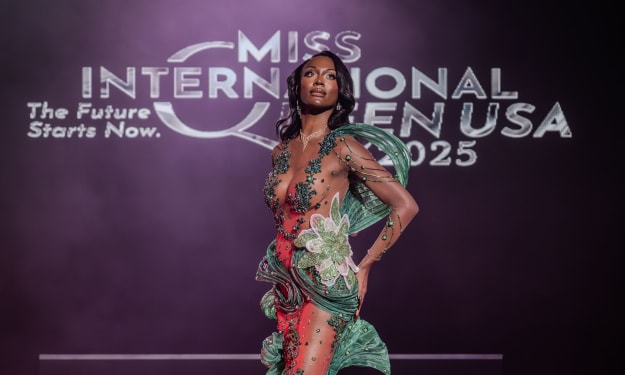
Miss International Queen – USA (MIQ-USA) returns this month with a bold new vision as it crowns its 2026 titleholder in Atlantic City on March 26–27. Following a celebrated debut in Las Vegas — where Vegas 411 hailed the production as “the new crown jewel in Las Vegas shows” — the nation’s premier pageant for transgender women enters its next chapter with an ambitious theme: “A Portrait of Possibility.”
By Ben Nelson3 days ago in Pride
The Piggy Project
I’ve had so many names in this life I lose track of which ones were ever really mine and which ones I wore because someone needed me to. Some were handed to me before I had words to refuse them, before I knew what they meant, before I knew I could say no. Most weren’t meant to hurt. That doesn’t mean they didn’t leave marks. Marks that told me who I belong to, who I am by way of who claims me, recognizes me in the good and bad, who walks beside me.
By Fatal Serendipity3 days ago in Confessions


Comments
There are no comments for this story
Be the first to respond and start the conversation.