
Empowering Women
Islam's Progressive Paradigm of Equality and Dignity

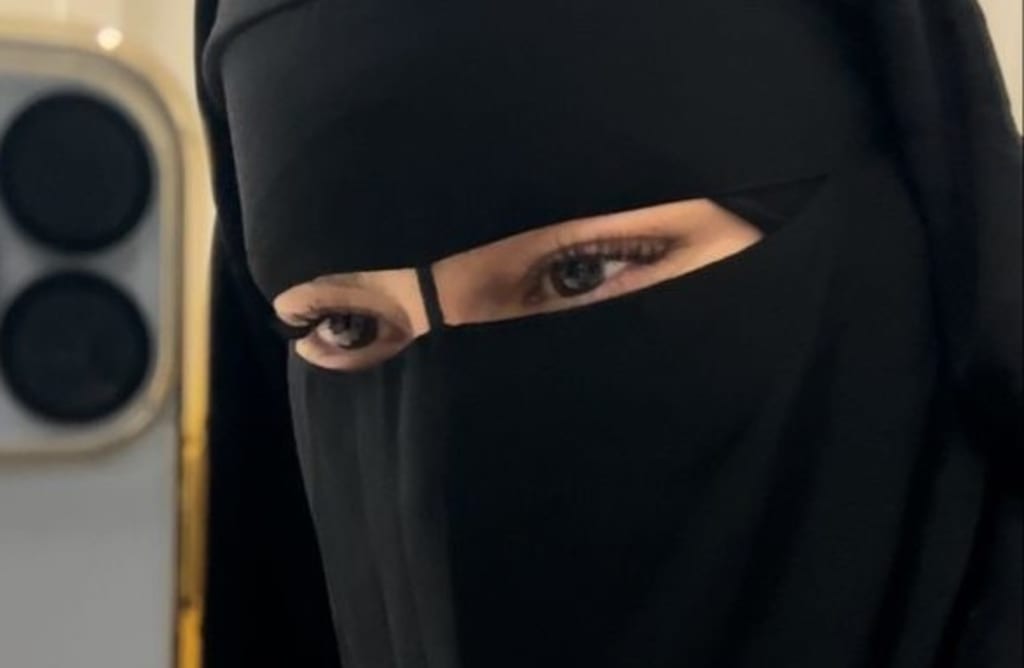
Assalamu alaykum warahmatullahi wabarakatuh – may peace and blessings be upon you all. In the light of Islamic teachings, it is essential to delve further into the significant strides made in ensuring the rights of women, marking a transformative shift from the pre-Islamic era.
In the dark times before Islam, women were treated as commodities, often subjected to the harrowing practice of female infanticide. The birth of a girl child was met with disdain, leading to the cruel act of burying newborn girls alive. Islam, through the Prophet Muhammad (peace be upon him), emphatically prohibited this heinous practice, underscoring the sanctity of female life and establishing a profound respect for the intrinsic value of every human being, regardless of gender.
Islam went further to disallow any disappointment upon the birth of a girl child, declaring it a sin to harbor negative sentiments about the gender of one's offspring. This revolutionary change aimed to dismantle the ingrained societal norms that devalued women, emphasizing the equal worth of both male and female children in the eyes of God.
Another prevailing injustice in the pre-Islamic era was the practice of using women as a form of payment for debts. Islam categorically prohibited the notion of inheriting women as if they were property, introducing the concept that financial responsibilities must be borne by the closest male relatives. Additionally, Islam prescribed a token amount for the female, emphasizing her financial independence and dignity. This financial provision was not a means of limiting her resources but an acknowledgment of her right to personal financial agency, ensuring she had the means to make choices in her life.
Islam recognized and elevated the financial status of women. While the responsibility of financial provision remained with the closest male relative, women were granted ownership of property. Inheritance laws, often misunderstood, aimed to secure a woman's financial autonomy rather than limiting her resources. The provision allowed women to have a say in their financial matters, fostering a sense of empowerment and self-determination.
Contrary to misconceptions, Islam explicitly grants women the right to choose their spouses. Forced marriages are condemned, and a woman cannot be compelled to marry against her will. Islam emphasizes the importance of mutual consent, promoting a partnership based on love, understanding, and shared values.
Islam places men and women on an equal footing in their pursuit of closeness to the Almighty. Both genders have equal opportunities to achieve spiritual heights. In fact, women are encouraged to surpass men in spiritual devotion, emphasizing that closeness to God is not limited by gender but by one's piety and devotion.
Islam recognizes and respects the inherent physical and emotional differences between men and women. Rather than promoting a false sense of equality, Islam encourages understanding and respect for these distinctions. This acknowledgment reinforces the complementary roles of men and women in society, highlighting that equality does not mean sameness but a recognition of unique strengths and responsibilities.
Prophet Muhammad (peace be upon him) succinctly summarized the ideal treatment of women in Islam, stating that the best among individuals are those who are best to their wives. This powerful statement underscores the importance of kindness, respect, and consideration in marital relationships, fostering an environment where mutual support and understanding flourish.
In conclusion, Islam's teachings have profoundly transformed the status of women, moving from a history of oppression to a framework that upholds their rights and dignity. By understanding and implementing these principles, we contribute to creating a just and compassionate society where women are valued as integral members, equal in humanity and deserving of respect. The Islamic ethos, grounded in justice and compassion, serves as a timeless guide for navigating the complexities of human relationships, fostering a society where the rights and dignity of every individual are safeguarded.
About the Creator
Maria_TheOneAndOnly
Hello, my name's is Maria; I'm a teenager who likes making articles and I found this site perfect to share them. I hope you like the stories I make. Thank you!
Keep reading
More stories from Maria_TheOneAndOnly and writers in Pride and other communities.
The Dark Side of Social Media
In the digital age, the allure of social media is undeniable. From endless scrolls on Facebook to captivating videos on TikTok, our online interactions have become an integral part of daily life. However, the consequences of this constant digital engagement go beyond mere entertainment. This article explores the darker aspects of social media, shedding light on its potential to shape our minds, trigger addiction, and contribute to mental health challenges.
By Maria_TheOneAndOnly2 years ago in Families



Comments (1)
well written piece