
Are femboys gay
Are Femboys Gay? Understanding the Difference Between Gender Expression and Sexuality


Introduction
If you’ve been on the internet over the past few years, chances are you’ve come across the term femboy. It’s a word that sparks curiosity, debate, memes, and sometimes controversy. Many people, especially those outside of LGBTQ+ spaces, ask a common question: “Are femboys gay?”
At first glance, it may seem like a straightforward question. But as with many topics involving gender and sexuality, the answer isn’t that simple. To truly understand it, we need to break down what being a femboy means, how it relates to sexual orientation, and why society often confuses gender expression with who someone is attracted to.
What Is a Femboy?
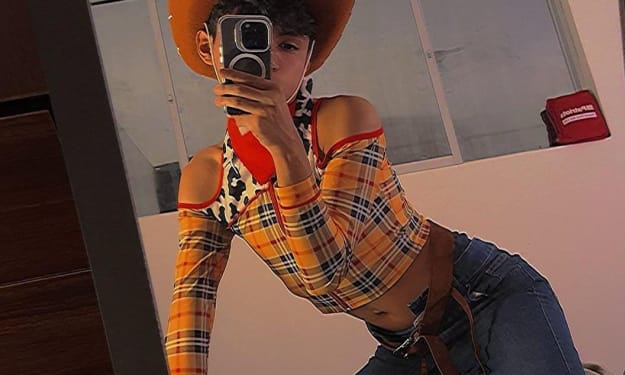
A femboy is usually described as someone most often assigned male at birth who expresses themselves in a feminine way. This can include clothing choices, makeup, body language, voice, or mannerisms. Importantly, being a femboy is not the same as being transgender or identifying as a woman. Many femboys still identify as male but enjoy expressing themselves in traditionally “feminine” ways.
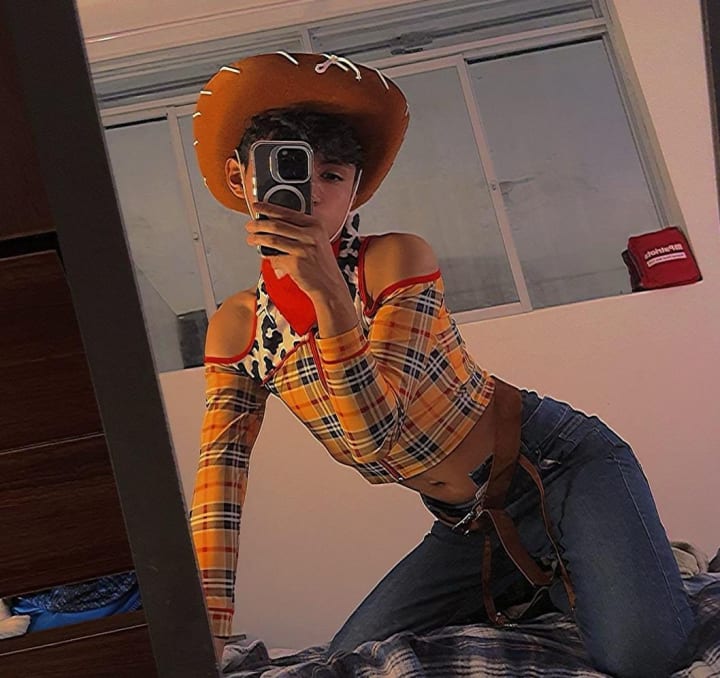
Think of it as style and presentation. Just as some men prefer rugged beards and flannel shirts, others enjoy skirts, eyeliner, and soft aesthetics. It’s a form of gender expression rather than a statement about sexuality.
Why Do People Assume Femboys Are Gay?
The assumption comes from a long history of mixing up gender expression with sexual orientation. Society has been conditioned to think in binaries: men are masculine and attracted to women, women are feminine and attracted to men. Anyone who steps outside that box is quickly labeled “different.”
When a man dresses or acts in ways society deems “feminine,” many people assume he must also be gay. This is because femininity in men has often been unfairly linked to homosexuality in pop culture and media portrayals. But this assumption is misleading.
Sexuality vs. Gender Expression
To understand why being a femboy does not automatically make someone gay, we need to separate two key concepts:
- Gender Expression – How someone presents themselves outwardly (clothes, mannerisms, voice, etc.).
- Sexual Orientation – Who someone is romantically or sexually attracted to.
A femboy’s love for skirts and eyeliner tells us about their expression, not their orientation. A femboy can be:
Straight (attracted to women)
- Gay (attracted to men)
- Bisexual (attracted to both)
- Asexual (not interested in sex at all)
- Pansexual (attracted to people regardless of gender)
There is no single “default” orientation for femboys.

Real-Life Examples
Imagine two friends, both calling themselves femboys:
- Jack enjoys dressing in skirts and painting his nails, but he is attracted to women. He is straight.
- Sam also loves wearing dresses and makeup, but he is attracted to men. He is gay.
Both are femboys, but their sexual orientations are completely different. This shows that the label femboy doesn’t define sexuality.
The Role of Online Culture
The popularity of femboys skyrocketed through internet culture, especially on platforms like TikTok, Twitter, Reddit, and Twitch. Many young men began experimenting with feminine fashion and aesthetics online, often finding acceptance in niche communities.
However, internet humor sometimes reinforced the stereotype that femboys must be gay. Memes often portrayed them as “cute boys who like boys.” While funny to some, this reinforced confusion for others.

In reality, the femboy community is diverse. Some femboys embrace queer identities proudly. Others are straight men who simply feel comfortable expressing femininity without shame. The online boom has at least opened the door for wider conversations about masculinity, gender norms, and attraction.
Breaking the Masculinity Mold
Part of why the “are femboys gay?” question persists is because society still struggles with masculinity. Men are often told they must appear strong, stoic, and rugged to be “real men.”
Femboys challenge this norm by saying: “I can wear what I want and still be myself.” This doesn’t necessarily mean rejecting masculinity altogetherit means expanding the definition. Just because a man likes eyeliner doesn’t mean he has to like men.

In fact, some straight femboys have shared that women find them more attractive because of their confidence and willingness to break gender rules. Confidence, after all, is universally appealing.
Femboys in History and Culture
While the word femboy feels new, the concept isn’t. Across history, men have embraced femininity without it being tied strictly to sexuality:
- Ancient Greece & Rome: Men often wore robes, jewelry, and embraced aesthetics modern people might call feminine.
- Japanese Culture: In Kabuki theatre, men traditionally played female roles with elaborate costumes and makeup.
- Rock & Pop Icons: Artists like David Bowie, Prince, and Kurt Cobain famously blurred gender lines through fashion, while their sexual orientations varied.
These examples prove that gender expression has always been fluid and diverse, long before internet culture coined the term femboy.
The Psychological Aspect
Some psychologists explain that people often conflate femininity in men with being gay because of deeply rooted stereotypes. But today, more people are learning to separate expression from attraction.
For many femboys, dressing femininely feels freeing. It allows them to explore identity outside rigid gender boxes. That doesn’t mean they’re questioning their sexuality it simply means they’re comfortable experimenting with style and presentation.
Myths vs. Realities
Myth 1: All femboys are gay.
Reality: Femboys can have any sexuality.
Myth 2: Femboys secretly want to be women.
Reality: Most identify as male and are not transgender.
Myth 3: Women don’t like femboys.

Reality: Many women find them attractive for their confidence, openness, and style.
Myth 4: Femboys are a new “trend.”
Reality: Gender-nonconforming expression has existed throughout history.
Why the Question Matters
Some might argue, “Why does it matter if femboys are gay or not?” The truth is, the question matters because it reveals how much confusion still exists about gender and sexuality.
By asking and answering this question, we can challenge stereotypes, reduce stigma, and promote acceptance. Understanding that femboy = expression, not orientation helps dismantle harmful labels that restrict people from being themselves.
Personal Stories from Femboys (Generalized)
Across online communities, many femboys share similar experiences:
- Some straight femboys say they constantly face disbelief when they tell others they like women.
- Gay femboys often feel their femininity aligns with their orientation, but dislike being treated as the “default” representation.
- Bisexual and pansexual femboys embrace the fluidity, finding joy in both self-expression and attraction.
These stories show the diversity within the label, making it impossible to assign a single sexual orientation to all.
Final Thoughts: So, Are Femboys Gay?
The short answer: Not necessarily.
Being a femboy is about how someone chooses to express themselves, not about who they love or are attracted to. Some femboys are gay, yes. But others are straight, bisexual, pansexual, or anywhere else on the spectrum.

The more important takeaway is this: people are free to express themselves however they like without being boxed into outdated stereotypes. By understanding the difference between gender expression and sexual orientation, we can create a more accepting world where femboys and everyone else can feel comfortable being themselves.
About the Creator
David Femboy
David here. Sharing my authentic femboy journey the outfits, the lessons, the life. For anyone exploring gender expression. Let’s redefine masculinity together. 💖
Keep reading
More stories from David Femboy and writers in Pride and other communities.
How to find femboys
In the past decade, online culture has opened doors for many gender expressions and lifestyles to flourish. One of the most visible, colorful, and often misunderstood identities is that of the femboy. If you’ve heard the term but aren’t quite sure what it means, or if you’re genuinely curious about meeting and connecting with femboys in real life or online, you’re in the right place.
By David Femboy7 months ago in Pride
Hottest in the Office
Dear Rafi, You’re very distracting to work around. For the first second I saw you the other day, I thought you were some type of executive. It took a moment to realize no, you were just the new guy, dressed up for the job he wants. Be still, my heart.
By Gabriel Shames4 days ago in Pride



Comments
There are no comments for this story
Be the first to respond and start the conversation.