
5 LGBT-themed horror movies you should watch
The horror genre offers stories with LGBT+ themes that are worth exploring

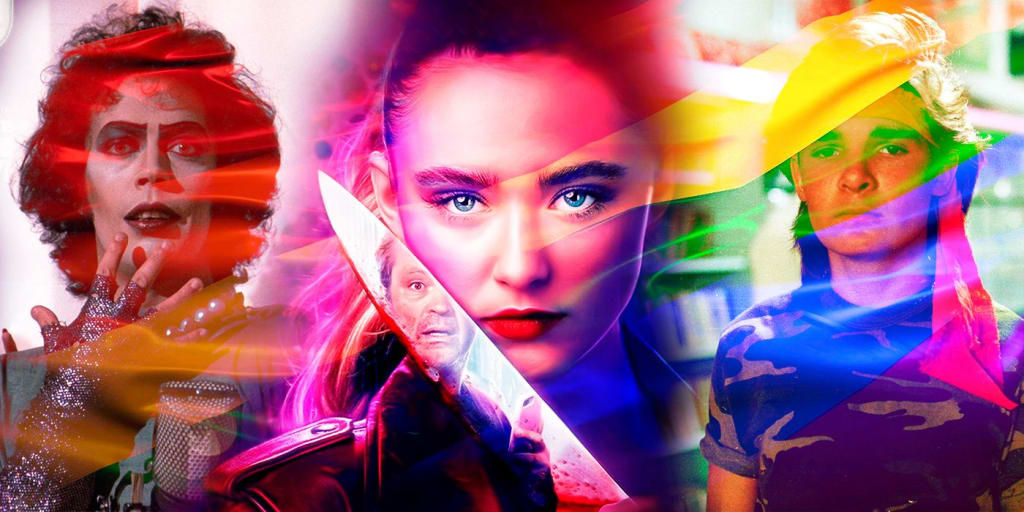
Creating a horror film with an LGBT+ theme involves a thoughtful approach that balances authentic representation with compelling storytelling.
Horror has historically served as a platform for exploring themes of "otherness," making it particularly resonant for LGBT narratives. The genre allows for the expression of societal fears, including those surrounding sexuality and identity. Many classic horror films contain subtext that can be interpreted through a queer lens, often reflecting the struggles of marginalized communities.
Several horror films have successfully integrated LGBT characters and themes, contributing to a richer narrative landscape within the genre.
For example Hellbent is significant for being the first horror movie featuring queer characters made specifically for a queer audience to receive a wide theatrical release in the U.S. It follows a group of gay friends who are stalked by a masked killer on Halloween night
Another good example is A Nightmare on Elm Street 2: Freddy's Revenge (1985) Although not explicitly labeled as queer at the time of its release, this film has since been recognized for its homoerotic subtext and has gained a cult following within the LGBTQ+ communit
Here are five notable horror films that incorporate LGBTQ+ themes and characters, showcasing the intersection of horror and queer narratives:
## 1. Hellbent (2004)
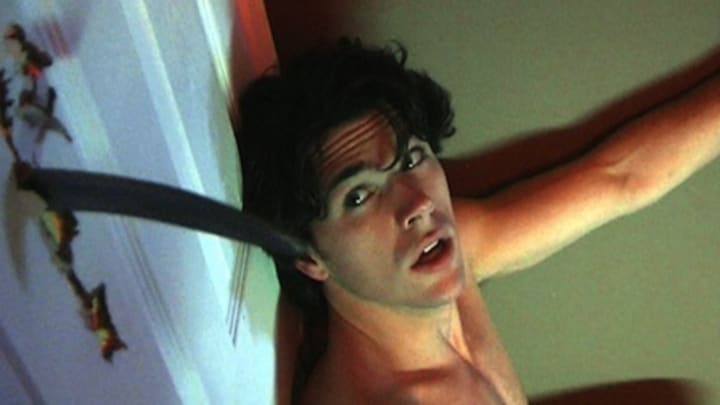
This film is a groundbreaking gay slasher that centers entirely around gay characters and their experiences. Set during Halloween in West Hollywood, it follows a group of friends who become targets of a killer dressed in a devil mask. Unlike many horror films that rely on subtext, *Hellbent* explicitly presents its queer context without the typical tropes of coming out or homophobia, making it a unique entry in the genre[1][2].
## 2. Butcher, Baker, Nightmare Maker (1981)
Also known as Night Warning, this film features a complex narrative involving two gay characters whose identities are central to the plot. The story revolves around Cheryl, an obsessive aunt who will go to extreme lengths to keep her nephew from leaving home for college. The film critiques societal views on homosexuality and police violence, making it an early sympathetic portrayal of queer characters in horror.
## 3. The Babadook (2014)
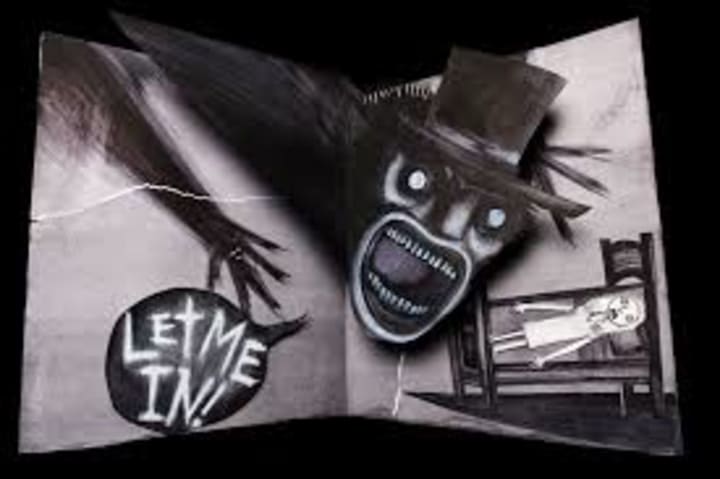
While not explicitly a queer film, The Babadook gained recognition within the LGBTQ+ community after Netflix mistakenly categorized it as such. The film explores themes of grief and repression, which resonated with queer audiences. The metaphorical interpretation of the titular monster as a representation of hidden identities and struggles has led to its adoption as a cult classic among LGBTQ+ viewers.
## 4. Spiral (2019)
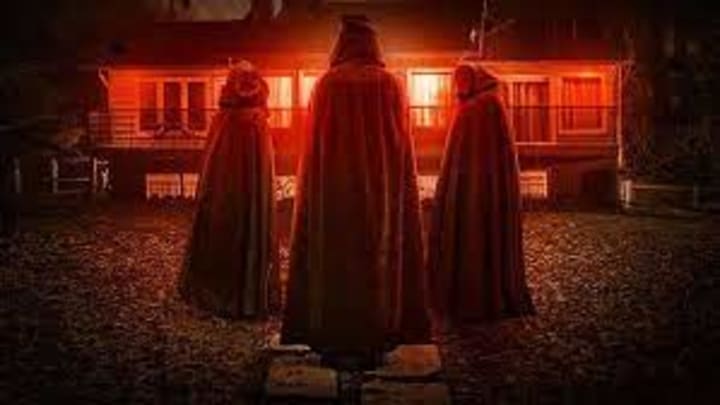
Spiral tells the story of a gay couple who move to a small town with their daughter, only to face hostility from their new neighbors. The film addresses contemporary issues of acceptance and prejudice while incorporating elements of horror. It reflects the ongoing challenges faced by LGBTQ+ families, making it a poignant addition to the genre.
## 5. Bad Things (2023)
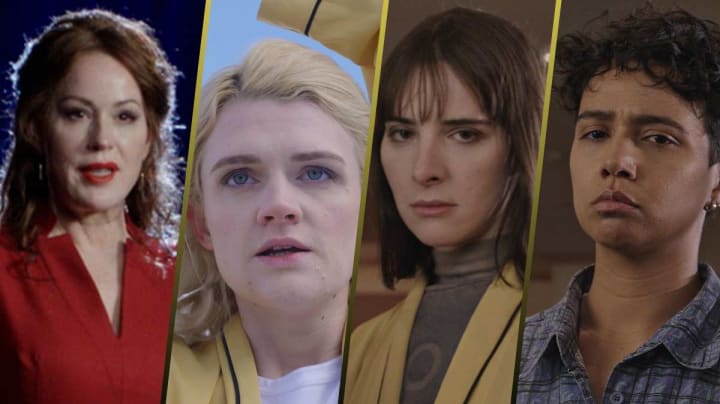
This recent release offers a queer reimagining of classic horror tropes reminiscent of The Shining. Bad Things follows a group of friends who encounter supernatural events in a hotel. The film's exploration of relationships and identity within a horror framework marks it as an innovative contribution to queer horror cinema.
These films illustrate how horror can serve as a powerful medium for exploring LGBTQ+ themes, providing representation while also engaging with broader societal issues.
Final thoughts
Recent documentaries like Queer for Fear explore the historical context of queer horror, emphasizing its evolution from coded representations to overtly queer narratives. Modern films increasingly feature non-binary protagonists and explore themes of empowerment within marginalized communities. While progress has been made, challenges remain regarding representation, particularly for queer BIPOC individuals.
LGBT horror films have evolved from coded representations to complex narratives that reflect a wider range of experiences within the LGBTQ+ community, marking significant strides toward inclusivity in storytelling.
About the Creator
Ninfa Galeano
Journalist. Content Creator. LGBT+ perspective 🏳️🌈
Keep reading
More stories from Ninfa Galeano and writers in Pride and other communities.
10 Horror Movies With Queer Representation That You Should See
The horror film genre evolves alongside society, and this is immediately reflected in the fictional stories that are created. In recent years, the West has recognized queer identity, which is reflected in various artistic expressions.
By Ninfa Galeano5 months ago in Pride
Hottest in the Office
Dear Rafi, You’re very distracting to work around. For the first second I saw you the other day, I thought you were some type of executive. It took a moment to realize no, you were just the new guy, dressed up for the job he wants. Be still, my heart.
By Gabriel Shames6 days ago in Pride
Alive
The shocking true story of Uruguayan Air Force Flight 571 and the moral horror that saved sixteen lives The crash of Uruguayan Air Force Flight 571 into the Andes Mountains on October 13, 1972, and the subsequent seventy-two-day survival ordeal of the passengers would become one of the most controversial and morally complex survival stories ever recorded, forcing sixteen young men to make the unthinkable decision to consume the flesh of their dead friends and teammates in order to stay alive in one of the most hostile environments on Earth, and the psychological and ethical dimensions of their choice continue to provoke debate and reflection more than fifty years after their rescue shocked the world. The flight was carrying forty-five people including nineteen members of the Old Christians Club rugby team from Montevideo, Uruguay, along with their friends and family members, traveling to Chile for a tournament, and the passengers were young, healthy, optimistic people with their whole lives ahead of them, many of them students from wealthy families who had never experienced real hardship and who could not have imagined that their routine flight would turn into a nightmare of freezing temperatures, starvation, and impossible moral choices that would haunt them forever.
By The Curious Writerabout 12 hours ago in Pride



Comments
There are no comments for this story
Be the first to respond and start the conversation.