
Understanding ADHD in Society
Introduction to ADHD
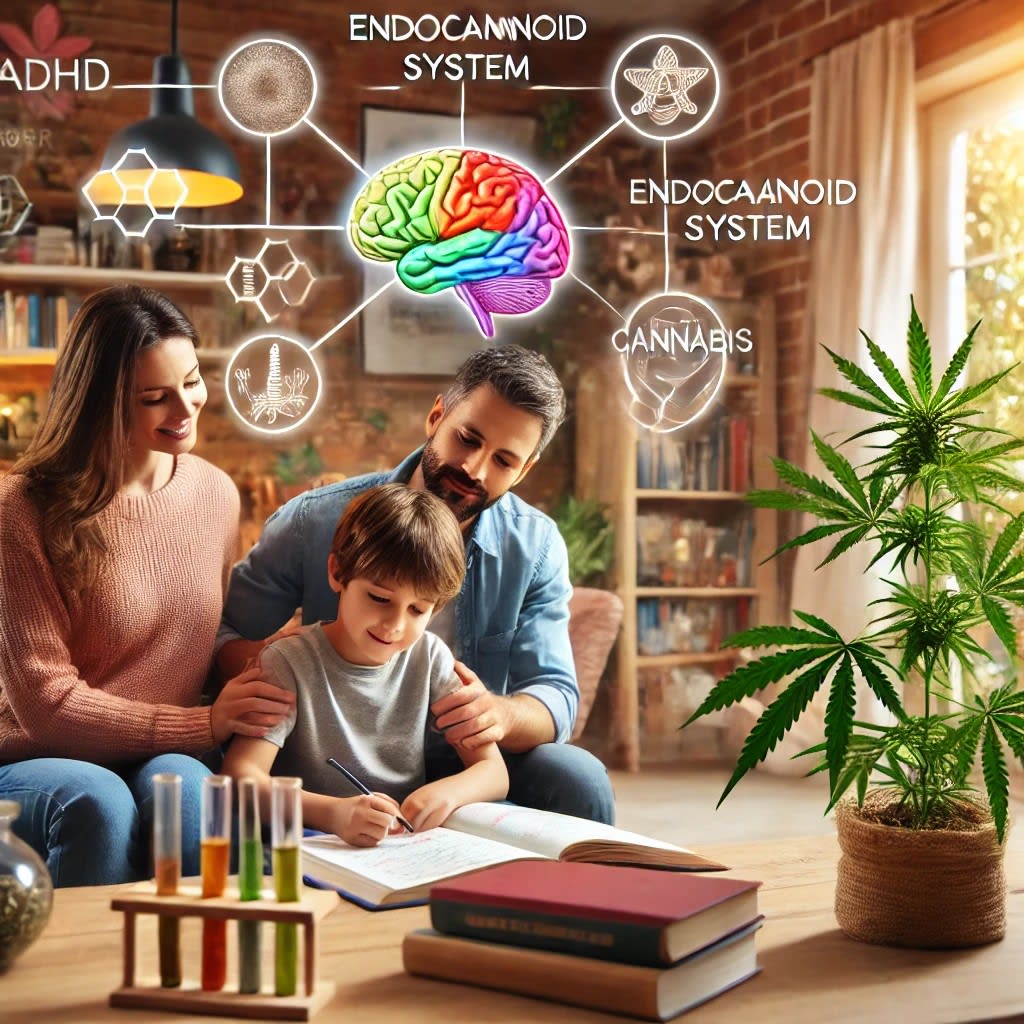
Introduction to ADHD: Definition, Types, and Symptoms
Attention Deficit Hyperactivity Disorder (ADHD) is one of the most prevalent neurodevelopmental disorders affecting both children and adults worldwide. Characterized by patterns of inattention, hyperactivity, and impulsivity, ADHD can significantly impact various aspects of an individual's life. In this article, we delve into the intricacies of ADHD, exploring its definition, types, and symptoms. Our aim is to provide a comprehensive introduction that is both intriguing and informative, utilizing key viral keywords to ensure a broad reach and engagement.
What is ADHD?
ADHD is a complex neurodevelopmental condition that typically manifests in childhood and can persist into adulthood. It is marked by persistent patterns of inattention, hyperactivity, and impulsivity that are more severe than typically observed in individuals at a comparable level of development. ADHD can affect academic performance, social interactions, and occupational functioning, leading to challenges in daily life.
The exact cause of ADHD remains unknown, though research suggests a combination of genetic, environmental, and neurological factors. Early diagnosis and intervention are crucial for managing symptoms and improving quality of life.
Types of ADHD
ADHD is categorized into three primary types, each defined by its predominant symptoms:
1. Inattentive Type (ADHD-PI): Individuals with this type of ADHD predominantly exhibit symptoms of inattention. They may struggle with organizing tasks, following through on instructions, and maintaining focus on activities. This type is often referred to as Attention Deficit Disorder (ADD).
2. Hyperactive-Impulsive Type (ADHD-HI): This type is characterized by symptoms of hyperactivity and impulsivity without significant issues with attention. Individuals may find it difficult to stay still, often fidgeting, talking excessively, or acting impulsively without considering the consequences.
3. Combined Type (ADHD-C): The most common form, ADHD-C, includes a combination of both inattentive and hyperactive-impulsive symptoms. Individuals with this type exhibit significant challenges in both areas, impacting various aspects of their lives.
Symptoms of ADHD
ADHD symptoms can vary widely among individuals and can change over time. However, the core symptoms typically include patterns of inattention, hyperactivity, and impulsivity. Understanding these symptoms is key to recognizing and managing ADHD.
Inattention
• Difficulty Sustaining Attention: Individuals may find it challenging to focus on tasks or activities, often making careless mistakes.
• Organizational Issues: They may struggle with organizing tasks and activities, leading to procrastination and incomplete work.
• Easily Distracted: External stimuli can easily divert their attention, causing difficulties in completing tasks.
• Forgetfulness: Frequent forgetfulness in daily activities, such as missing appointments or losing important items.
Hyperactivity
• Restlessness: A constant need to move, often seen as fidgeting or tapping hands and feet.
• Excessive Talking: Speaking excessively, often interrupting others during conversations.
• Inability to Play Quietly: Difficulty engaging in activities quietly, often leading to disruptive behaviour.
Impulsivity
• Impulsive Decisions: Acting without thinking, which can lead to risky behaviours.
• Difficulty Waiting: Struggling to wait for their turn in activities or conversations.
• Interrupting Others: Frequently interrupting or intruding on others' activities or conversations.
Living with ADHD
Living with ADHD can be challenging, but understanding the condition and seeking appropriate interventions can significantly improve outcomes. Early diagnosis, combined with strategies such as behavioural therapy, medication, and lifestyle modifications, can help manage symptoms effectively. Support from family, educators, and healthcare professionals is essential in creating an environment conducive to growth and success for individuals with ADHD.
ADHD is a multifaceted disorder that affects millions of individuals globally. By understanding its definition, types, and symptoms, we can better support those living with ADHD and foster a more inclusive and informed society. Awareness and early intervention are crucial in mitigating the impact of ADHD on daily life, paving the way for individuals to thrive despite the challenges they may face.
In this digital age, spreading awareness about ADHD through engaging and informative content is vital. By creating a captivating narrative, we can ensure that this important information reaches a wider audience, fostering greater understanding and support for those affected by ADHD.
About the Creator
Steadia Kyosiimire
As a Biology enthusiast living with an ADHD child, I delve into how medical cannabis can aid ADHD management. Join me for more research, personal stories, and l tips on the brain's natural cannabinoids and cannabis for better ADHD outcomes.
Keep reading
More stories from Steadia Kyosiimire and writers in Potent and other communities.
The Science Between ADHD and CBD from Cannabis
Introduction ADHD (Attention-Deficit/Hyperactivity Disorder) is a neurodevelopmental disorder that affects both children and adults, characterized by symptoms such as inattentiveness, hyperactivity, and impulsivity. In recent years, there has been growing interest in using Cannabidiol (CBD), a compound derived from cannabis, as a potential treatment to alleviate symptoms of ADHD. But what does science say about this relationship? In this article, we will explore how CBD interacts with the brain, its effects on ADHD symptoms, and the scientific evidence supporting its use.
By Steadia Kyosiimireabout a year ago in Potent




Comments
There are no comments for this story
Be the first to respond and start the conversation.