
"The Double-Edged Sword: Unlocking the Power and Risks of Dietary Supplements for Optimal Health"
How to Maximize Benefits While Minimizing Risks in Supplement Use

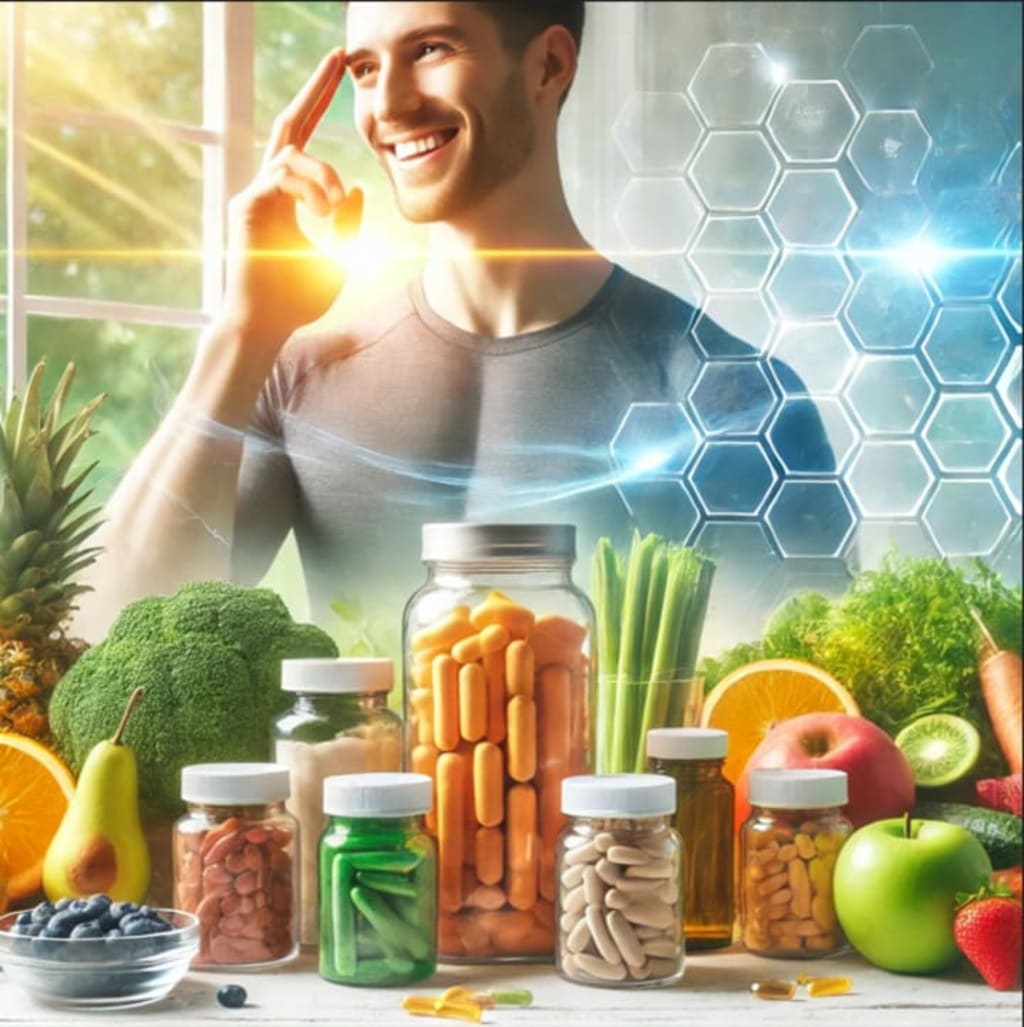
In today’s fast-paced world, where processed foods and busy schedules dominate, dietary supplements have surged in popularity as a quick fix for nutritional gaps. From vitamin D capsules to omega-3 fish oils, these products promise enhanced energy, immunity, and longevity. But do they truly deliver on these promises, or could they pose hidden dangers? This in-depth guide explores the benefits of dietary supplements, their potential risks, and how to navigate this booming industry wisely. Whether you’re a fitness enthusiast, a health-conscious individual, or someone battling deficiencies, this article equips you with science-backed insights to make informed choices.
The Rising Demand for Dietary Supplements
Globally, the supplement industry is projected to exceed $300 billion by 2030, driven by increasing health awareness and sedentary lifestyles. Yet, not all supplements are created equal. While some, like vitamin D and plant-based protein, address critical deficiencies, others may be unnecessary or even harmful. Understanding their role is key to harnessing their potential without falling prey to marketing hype.
Top Benefits of Dietary Supplements
1. Bridging Nutritional Gaps
Modern diets often lack essential nutrients. For example:
Vitamin D: Over 1 billion people worldwide are deficient, linked to weakened immunity and bone health.
Iron: Critical for preventing anemia, especially in women and vegetarians.
Omega-3 Fatty Acids: Vital for brain function and reducing inflammation.
Supplements like multivitamins or calcium tablets can counteract deficiencies caused by poor diets, allergies, or lifestyle choices (e.g., veganism).
2. Boosting Immunity and Physical Performance
Vitamin C and zinc are proven to shorten cold durations and strengthen immune responses.
Whey protein and creatine enhance muscle recovery and athletic performance, making them staples for fitness enthusiasts.
Probiotics support gut health, which is directly tied to immune function.
3. Supporting Chronic Conditions
Magnesium aids in managing diabetes and hypertension.
Folic acid is crucial for prenatal health, reducing birth defect risks.
Glucosamine and chondroitin alleviate joint pain in arthritis patients.
The Hidden Dangers: When Supplements Turn Harmful
1. Overdosing and Toxicity
Fat-soluble vitamins (A, D, E, K) accumulate in the body, leading to toxicity. Excessive vitamin A can cause liver damage, while too much iron triggers nausea and organ failure.
Herbal supplements like kava and comfrey have been linked to severe liver damage.
2. Drug Interactions
Vitamin K can reduce the effectiveness of blood thinners like warfarin.
St. John’s Wort interferes with antidepressants and birth control pills.
Calcium may hinder antibiotic absorption.
Always consult a doctor before combining supplements with medications.
3. Misleading Labels and Low-Quality Products
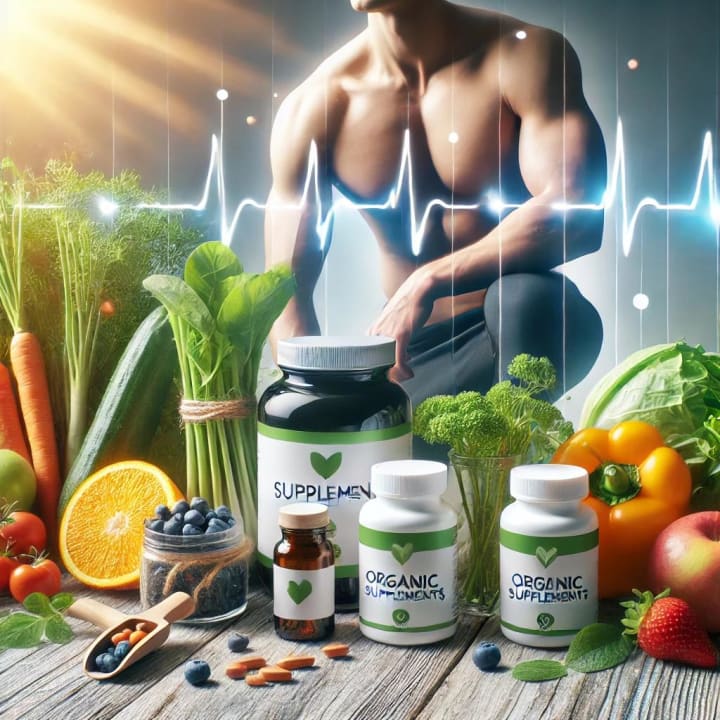
The lack of strict regulation (e.g., the FDA does not approve supplements pre-market) means some products contain contaminants, fillers, or incorrect dosages. For instance, a 2023 study found 40% of weight loss supplements contained undeclared pharmaceuticals.
How to Choose Supplements Safely: A Step-by-Step Guide
1. Identify Your Needs
Get a blood test to pinpoint deficiencies. For example, vitamin D testing is crucial before supplementation.
2. Opt for Trusted Brands
Look for certifications like:
NSF International or USP Verified for quality assurance.
Non-GMO and organic labels for purity.
3. Follow Dosage Guidelines
Adhere to the Recommended Dietary Allowance (RDA).
Avoid “megadosing” unless supervised by a healthcare provider.
4. Monitor Side Effects
Discontinue use if you experience symptoms like rashes, digestive issues, or dizziness.
Top 5 Supplements Backed by Science
Omega-3 Fish Oil: Reduces heart disease risk by 10–20%.
Vitamin D3: Supports bone health and mood regulation.
Probiotics: Improve digestion and immune function.
Magnesium: Enhances sleep quality and muscle relaxation.
Plant-Based Protein Powder: Ideal for vegans and athletes.
Myths vs. Facts: Debunking Supplement Misconceptions
Myth: “Supplements can replace a balanced diet.”
Fact: They’re designed to complement—not substitute—nutrient-rich foods.
Myth: “Natural supplements are always safe.”
Fact: Arsenic and mercury are “natural” but deadly. Quality matters more than labels.
The Future of Supplements: Personalized Nutrition
Advancements in genetic testing and AI now allow tailored supplement regimens based on DNA, lifestyle, and gut microbiome analysis. Companies like Nutrigenomix and Viome are pioneering this trend, marking a shift from one-size-fits-all to precision nutrition.
Conclusion: Striking the Balance
Dietary supplements are neither a miracle cure nor a silent killer. Their impact hinges on informed usage, quality, and moderation. Prioritize whole foods, consult healthcare professionals, and remember: optimal health is a marathon, not a sprint. By embracing supplements as a tool—not a crutch—you unlock their true potential safely and effectively.
About the Creator
Ahmed Abdeen
An experienced article publisher and writer specializing in creating high-quality, engaging, and well-researched content tailored to captivate diverse audiences. Adept at crafting compelling narratives
Keep reading
More stories from Ahmed Abdeen and writers in Potent and other communities.
Proper Child Rearing: A Practical Guide to Raising Confident and Balanced Children
One day, I asked a six-year-old girl, "What do you want to be when you grow up?" She confidently replied, "I want to be happy!" This simple answer captures the essence of proper parenting: cultivating happiness rooted in values, not just material achievements. According to UNICEF, 70% of a child’s personality is shaped in the first seven years, making parents akin to artists sculpting a human’s future. But how do we move from "trial and error" to conscious parenting? This comprehensive guide explores the answer.
By Ahmed Abdeenabout a year ago in Families




Comments
There are no comments for this story
Be the first to respond and start the conversation.