
Long Covid Unveiled: MRI Scans Illuminate Persistent Organ Damage Risk
A Comprehensive Study Redefines Long Covid, Revealing Ongoing Health Concerns

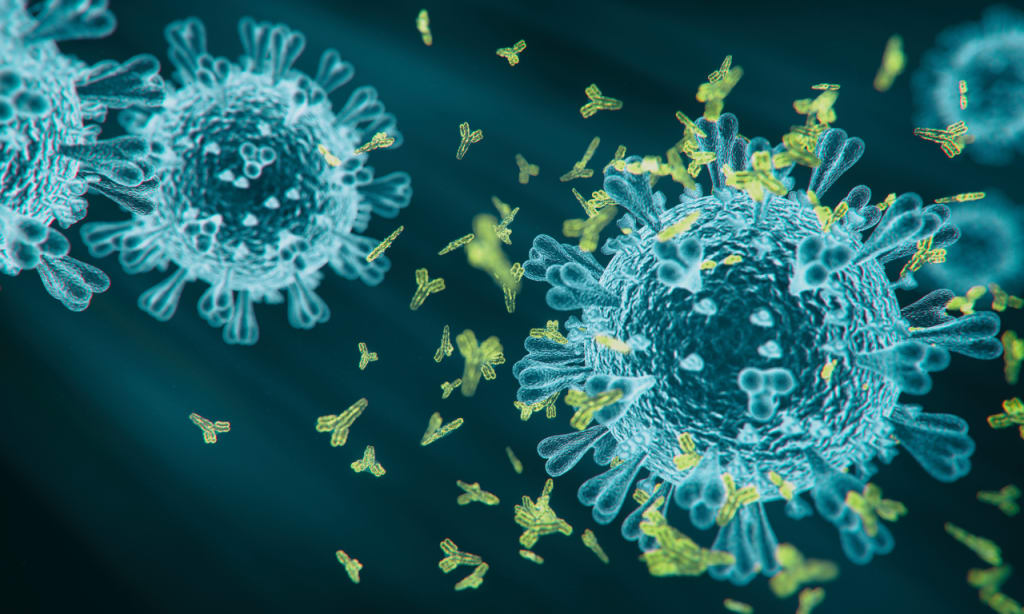
In a recent and ground-breaking study, a paradigm shift has emerged in our understanding of long Covid, a perplexing condition that has left many individuals grappling with prolonged symptoms following hospitalization. What was once a mysterious ailment has now revealed itself through the lens of MRI scans, shedding light on a heightened risk of organ damage among long Covid patients. These scans have, in essence, peeled back the veil, uncovering a startling revelation: long Covid patients are three times more likely to display irregularities in their major organs, including the lungs, brain, and kidneys.
The significance of this revelation cannot be overstated, for it has profound implications for our approach to treating long Covid. This ground-breaking research, meticulously documented in the prestigious Lancet Respiratory Medicine journal, delved into the medical histories of 259 patients who had been hospitalized due to severe Covid infections. Fast forward five months after their discharge, and the MRI scans of these patients' vital organs painted a vivid picture of stark differences compared to a control group consisting of 52 individuals who had remained unscathed by the clutches of Covid.
The most pronounced impact was observed in the lungs, where scans unveiled abnormalities at a staggering 14 times the rate seen in the control group. Brain abnormalities, too, were disclosed at a rate three times higher, while kidney irregularities emerged twice as frequently among those who had valiantly battled severe Covid. Intriguingly, there were no observable disparities in the health of the heart or liver among these individuals.
Dr. Betty Raman, a distinguished lead investigator from the venerable University of Oxford, left no room for doubt in her assertion that these findings undeniably indicate that long Covid sufferers who grapple with persistent symptoms are considerably more susceptible to experiencing organ damage. Age, the severity of the initial Covid infection, and the presence of concurrent illnesses emerged as salient factors influencing the likelihood of organ damage.
These revelations are an integral part of the ongoing Phosp-Covid study, a pioneering initiative that delves into the profound and long-lasting ramifications of Covid among those who were subjected to hospitalization. The significance of these findings is further underscored by the alignment of certain long Covid symptoms with the organ damage identified through the prism of MRI scans. Symptoms such as chest tightness and persistent coughing were found to correlate with lung abnormalities. However, it's important to note that not all long Covid symptoms can be directly linked to these scans.
Intriguingly, Dr. Raman added that individuals displaying abnormalities across multiple organs were markedly more likely to report severe physical and mental impairments. In fact, those who exhibited damage in more than two organs were four times more likely to endure these debilitating impairments. These critical findings cast a glaring spotlight on the pressing need for extended multidisciplinary follow-up services, with a laser focus on both pulmonary and extrapulmonary health. This necessity is especially paramount for individuals who have endured the harrowing ordeal of Covid-related hospitalization.
Professor Chris Brightling, a luminary at the helm of the Phosp-Covid study, is emphatic about the significance of comprehending the multifaceted nature of long Covid. He underscores that the study's meticulous examination of whole-body imaging serves as a clarion call, confirming the enduring presence of organ changes in individuals even months after their Covid-related hospitalization. As the Phosp-Covid study forges ahead, the primary objective remains unravelling the intricate tapestry of factors contributing to these changes, while simultaneously striving to develop innovative tests and treatments to mitigate the lingering specter of long Covid.
Long Covid, often described as a mysterious and elusive condition, has confounded both healthcare professionals and patients since the early days of the pandemic. Its symptoms, which can range from extreme fatigue and cognitive impairments to shortness of breath and chest pain, persist for weeks, months, or even longer after the initial Covid infection has resolved. While much attention has been given to the acute phase of Covid-19, the long-term consequences have remained shrouded in uncertainty.
The Phosp-Covid study, spearheaded by a dedicated team of researchers and medical professionals, seeks to demystify the enigma of long Covid. By examining a cohort of individuals who faced severe Covid-19 and subsequently grappled with lingering symptoms, this study has illuminated a new frontier of health concerns. It's a testament to the power of scientific inquiry and the relentless pursuit of knowledge in the face of an unprecedented global health crisis.
At the heart of this groundbreaking research are the MRI scans, a technological marvel that allows us to peer deep into the inner workings of the human body. These scans, which capture detailed images of organs and tissues, have become invaluable tools in the battle against long Covid. By comparing the scans of long Covid patients with those of a control group unaffected by the virus, researchers have been able to discern striking disparities that underscore the severity of organ damage in long Covid cases.
The lungs, the body's primary site of interaction with the virus, bear the brunt of the damage. The MRI scans revealed a harrowing reality: long Covid patients exhibited lung abnormalities at a rate a staggering 14 times higher than the control group. This finding sheds new light on the persistent shortness of breath and chest tightness that plague many long Covid sufferers. It suggests that the lung damage caused by the initial Covid infection extends far beyond the acute phase, posing ongoing health risks.
The brain, the seat of our cognition and consciousness, was not spared either. MRI scans unveiled brain abnormalities in long Covid patients at a rate three times higher than that of the control group. This finding raises questions about the cognitive impairments and "brain fog" reported by many long Covid patients. It hints at the complex interplay between the virus and the central nervous system, an area ripe for further investigation.
The kidneys, vital organs responsible for filtering waste from our blood, also showed vulnerability in long Covid patients. Kidney irregularities were identified twice as frequently in these individuals compared to the control group. This revelation prompts concerns about the long-term renal health of those who have battled severe Covid. It underscores the importance of ongoing monitoring and care for these patients.
Remarkably, the heart and liver appeared to remain relatively unscathed in long Covid patients, according to the MRI scans. This finding offers a glimmer of hope amidst the otherwise grim landscape of organ damage. However, it should not lull us into complacency, for the impact of long Covid on other organs is significant and demands our attention.
Dr. Betty Raman, the lead investigator of this groundbreaking study, emphasizes that these findings mark a turning point in our understanding of long Covid. She notes that the severity of the initial Covid infection, as well as the presence of concurrent illnesses, plays a pivotal role in determining the likelihood of organ damage among long Covid patients. This insight underscores the need for a tailored approach to care and monitoring, one that takes into account the unique medical histories and risk factors of each patient.
The implications of this research extend beyond the realm of medicine and into the lives of long Covid patients. It offers validation to those who have been grappling with persistent symptoms, often in the face of scepticism from others. It reaffirms that long Covid is not a mere continuation of the acute illness but a distinct and complex condition with far-reaching consequences.
These revelations also highlight the critical importance of ongoing multidisciplinary care for long Covid patients. The study found that individuals with abnormalities in multiple organs were more likely to report severe physical and mental impairments. This underscores the need for comprehensive and holistic care that addresses both pulmonary and extrapulmonary health.
Professor Chris Brightling, a leading figure in the Phosp-Covid study, underscores the urgency of comprehending the multifaceted nature of long Covid. He emphasizes that the study's meticulous examination of whole-body imaging serves as a clarion call to the medical community. It confirms that organ changes persist long after the initial Covid infection, necessitating a shift in our approach to care and treatment.
As the Phosp-Covid study continues to unravel the intricate tapestry of factors contributing to organ damage in long Covid, it also seeks to develop innovative tests and treatments. These advancements hold the promise of mitigating the lingering specter of long Covid, offering hope to the countless individuals whose lives have been upended by this enigmatic condition.
In conclusion, the unveiling of organ damage risk among long Covid patients through MRI scans represents a monumental leap in our understanding of this complex condition. It underscores the need for continued research, comprehensive care, and a renewed commitment to supporting those who continue to grapple with the aftermath of severe Covid-19. Long Covid is no longer an enigma shrouded in mystery; it is a tangible and multifaceted health concern that demands our unwavering attention and dedication to finding solutions.
About the Creator
Bianca Lane
I'm passionate about writing diverse topics, like thrilling word adventures, where imagination knows no bounds. Exploring ideas and stories is my forte, and I'm eager to share them with you.
Keep reading
More stories from Bianca Lane and writers in Potent and other communities.
Emma Heming Willis Opens Up About Bruce Willis' Dementia Battle: A Heartfelt Journey of Love and Resilience
In a poignant and candid interview, Emma Heming Willis, the wife of iconic Hollywood actor Bruce Willis, has publicly shared her experiences since her husband's diagnosis with frontotemporal dementia (FTD) earlier this year. This deeply personal revelation sheds light on the challenges faced by their family and the remarkable strength and resilience that binds them together.
By Bianca Lane2 years ago in Potent
Silken Chains
Silhouettes of the female form were given flesh and bone. Silken skin glistened under the spotlight. Dry ice rose around our Icons as they danced atop their podiums in the Square. Heralded for their beauty, their movements were slight, powerful, and sensual.
By Paul Stewart6 days ago in Fiction




Comments (1)
Great work! What! So good!