
How long do dtf transfers last before pressing
Discover how long DTF transfers last before pressing and learn the best storage tips to keep your prints fresh and press-ready for months.

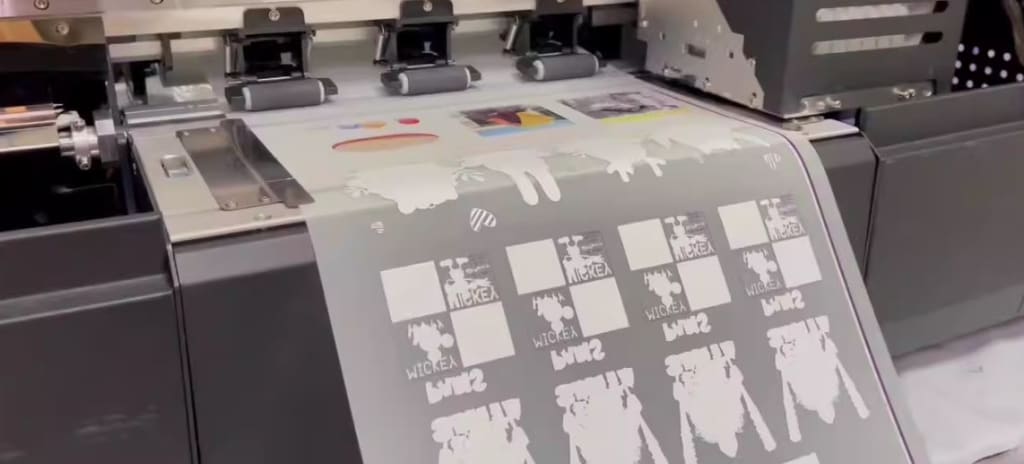
Key Takeaways:
- DTF transfers can last 6 to 12 months or longer before pressing if stored properly.
- Storage conditions (temperature, humidity, light exposure) significantly affect their lifespan.
- Following best practices helps maintain vibrant prints and adhesive strength.
Introduction
DTF (Direct-to-Film) printing has taken the custom apparel industry by storm. With its vibrant color output, flexibility on different fabrics, and no weeding required, it's no wonder businesses and crafters love it. But if you're ordering or printing DTF transfers in bulk, a common question arises: "How long do DTF transfers last before pressing?"
The short answer: DTF transfers can last anywhere from 6 months to over a year if stored properly. However, a few important factors determine whether your transfers remain press-ready or degrade over time. This article will break down everything you need to know to maximize the shelf life of your DTF transfers.
What Are DTF Transfers?
Before diving into longevity, it helps to understand what DTF transfers are. DTF stands for Direct-to-Film. In this method, a design is printed onto a special PET film using textile inks, then coated with a powdered adhesive. Once dried and cured, the transfer is ready to be heat pressed onto garments—like t-shirts, hoodies, or tote bags.
Unlike vinyl or screen printing, DTF transfers don’t require weeding, and they work well on both cotton and polyester.
How Long Do DTF Transfers Last Before Pressing?
In general, high-quality DTF transfers last up to 12 months or more when stored correctly. However, some transfers may begin to degrade in 6 months if exposed to improper conditions like humidity or extreme heat.
Factors That Influence Shelf Life:
Humidity
Moisture is a DTF transfer’s worst enemy.
High humidity can cause the powdered adhesive to clump, reducing adhesion during heat pressing.
Temperature
Transfers should be stored at room temperature—ideally between 65°F to 75°F (18°C to 24°C).
High temperatures can activate the adhesive prematurely or damage the film.
Light Exposure
Direct sunlight can cause fading or discoloration.
Always store in dark or low-light areas.
Handling and Air Exposure
Repeated handling or leaving transfers out in the open can cause dust buildup or contamination.
Use resealable plastic bags or storage boxes with silica gel packs for added protection.
Quality of Printing and Adhesive Powder
Cheap adhesive or improper curing during manufacturing shortens shelf life.
Trusted vendors typically use better powder, film, and inks, which can help DTF transfers last 12 months or longer.
Best Practices for Storing DTF Transfers
To get the most life out of your DTF prints, follow these best storage practices:
1. Keep Transfers Flat
Store them in a folder, drawer, or flat bin.
Avoid bending, folding, or rolling the film to prevent cracks.
2. Use Silica Gel Packs
These help absorb moisture and reduce humidity inside storage containers.
3. Separate by Parchment Paper or Plastic Sheets
This keeps designs from sticking together, especially if stored in stacks.
4. Label with Date
Mark the transfer creation date to monitor age and prioritize older designs first (FIFO method).
5. Store in a Cool, Dark Place
A closet, drawer, or filing cabinet away from windows or heat sources is ideal.
Signs Your DTF Transfers Have Gone Bad
If you're not sure whether your stored custom image DTF transfers are still usable, look out for these red flags:
- Clumpy or sticky adhesive powder
- Faded or yellowed colors
- Peeling or cracking film
- Transfers not sticking well after pressing
- Design shifting or ghosting
If you notice any of these issues, it might be time to discard the affected transfers.
Can You Extend the Lifespan of DTF Transfers?
Yes! If you follow all the storage best practices mentioned above, you can extend their shelf life well beyond 12 months. Additionally, consider vacuum sealing your transfers or using humidity-controlled cabinets if you're storing large volumes for a business.
Also, buying from reputable suppliers helps—better quality materials will always last longer.
Should You Press DTF Transfers Right After Printing?
While pressing immediately is not required, some printers recommend pressing within the first 30 days for optimal results—especially if you're operating in a high-humidity environment.
However, many users have had success pressing transfers 6–12 months later with no noticeable difference in quality.
If you’re printing transfers for resale or for future use, you’re safe to store them as long as you follow proper storage methods.
DTF Transfer Storage FAQs
Q1: Can I store DTF transfers in a plastic bag?
Yes, ziplock or resealable plastic bags are great, especially if you add a silica gel packet inside.
Q2: Can DTF transfers go bad?
Yes, if exposed to humidity, extreme heat, light, or dust, they can lose adhesion or print clarity over time.
Q3: Is refrigeration recommended?
No. Refrigerators may introduce condensation and moisture when opened. Stick to room temperature in a dry environment.
Q4: How do I test if an old DTF transfer still works?
Heat press it on a test fabric. If it peels cleanly and adheres well after pressing, it’s good to go!
Final Thoughts
DTF transfers can last up to a year or more before pressing, but only if they’re stored properly. Keep them away from moisture, heat, and sunlight, and use airtight containers or bags with silica gel to preserve quality.
Whether you're running a custom apparel business or crafting on the side, proper storage means less waste, more reliable results, and long-lasting designs for your customers.
About the Creator
Robert Smith
Web Developer
Keep reading
More stories from Robert Smith and writers in Potent and other communities.
Connection Between Stress and Physical Health
Physical health outcomes result directly from the weight of stress which exceeds its emotional load. Long-term stressful situations create medical conditions such as heart disease which además leads to weak immunity and ongoing pain issues. Understanding stress relationships with physical health conditions remains essential to stop ongoing stress patterns for improving your wellness. People who need expert help should search for "Cleveland Clinic Psychiatry" along with "doctors for PTSD near me". Which provides connections to professionals specializing in stress management and mental health treatment.
By Robert Smithabout a year ago in Psyche
Belle of the Bayou
Bad move, cher. Not just the slip of her kitten heel on the rainy February cobblestones in the Fourth Ward. She got caught snooping. Detective Deleon clucked and strutted like a rooster in his rush to clear her from the scene, waving cigar smoke to and fro as he gesticulated amid the thick air of the speak easy. An experienced crime reporter, Marie knew better than to let the coppers catch her on the wrong side of the line, but curiosity had gotten the better of her.
By Maia Gadwall the metAlchemist7 days ago in Fiction



Comments (1)
DTF transfers can last 6 - 12 months or more if stored right. Humidity and temperature matter. I once had some transfers clump due to high humidity. Keep 'em dry and at room temp.