
Home Workout for Low Back Pain: No Equipment Required
Low Back Pain


Low back pain (LBP) is the number one cause of disability worldwide. In 2015, an estimated 7.3% of the world's population had LBP at any given moment, totaling 540 million people. In the United States, LBP affects 10-30% of the population, with a lifetime prevalence ranging from 65 to 80%. If you don't have LBP right now, you're probably going to have it eventually.
The easiest way to decrease or avoid LBP is to practice the proper resistance workouts and keep a healthy weight. While this article focuses on resistance exercise, it is impossible to stress the importance of reducing the load on your spine by moving unwanted weight. Having strong core muscles at a healthy weight will offer you the best chance to avoid or reduce LBP. All the exercises outlined here can be performed at home with absolutely no equipment.
. . .
The Evidence for Exercise
A 2020 meta-analysis comparing the various approaches to treating chronic LBP found that active therapies, including Pilates, stabilization/motor control, resistance, and aerobic training performed in a progressive manner, are the most effective choice. Resistance exercise needs to be done with the intention of improving lumbar spine stabilization. Doing so has been found to significantly reduce chronic LBP. There is evidence to suggest that aerobic exercise helps to reduce LBP by improving muscular endurance. But for the most part, exercise programs focusing on strengthening key stabilizing muscles relieve LBP better than those with a cardio focus.
So what does stability actually mean in the context of LBP? Well, it’s the ability of important core musculature to co-activate and thus co-contract, providing the lumbar spine with as much support as possible. Co-activation of these muscles will likely increase the coordination of our trunk muscles, creating stability at the lumbar spine. So we need to get these muscles stronger and make them work better as a team.
. . .
The Key Muscles to Strengthen
The transverse abdominis is the deepest muscle within the front side of the abdominal wall. Think of it as a corset, covering the entire abdominal area, responsible for keeping everything tight and secure. It plays a major role in providing stability to both the spine and hips. Reduced activation of the muscle is directly linked to the progression of low back pain.
Switching around to the back, the multifidus runs the entire length of the spine. This thin muscle attaches itself to each side of every spinal vertebra. And again, crucial stability is provided, helping the spine function well and remain supported. When you are exercising your transverse abdominis, the multifidus is almost always working as well.
The gluteus maximus (butt muscle) is responsible for extension at the hips, crucial for pelvic stability, and works to maintain an ideal amount of anterior pelvic tilt. People with chronic low back pain have poor neuromuscular control and generalized weakness at the hips. As such, having a strong butt is crucial to managing pain.
. . .
The Routine
(1) Mobilize
Cat/camel: 1 x 20

Source: 24life.com
Supine twist: 1 x 20

Source: 24life.com
Lunging hip flexor stretch: 1 x 20 each side
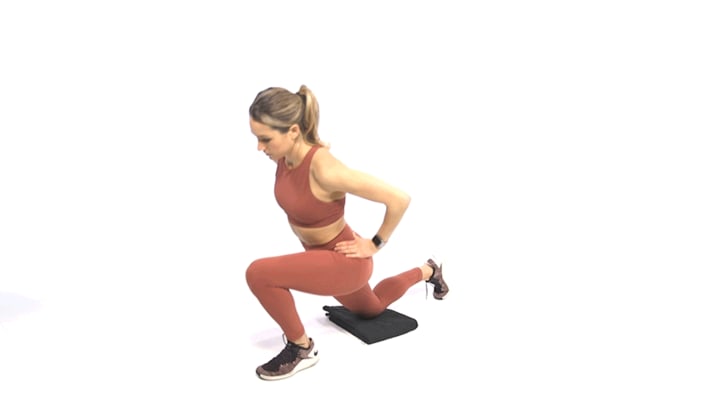
Source: health.com
. . .
(2) Activate and strengthen
Partial curl-up: 3 x 8 (1–2 second hold at top)

Source: line.17qq.com
Single-leg hip bridge: 3 x 10 each side (regression: double-leg hip bridge)
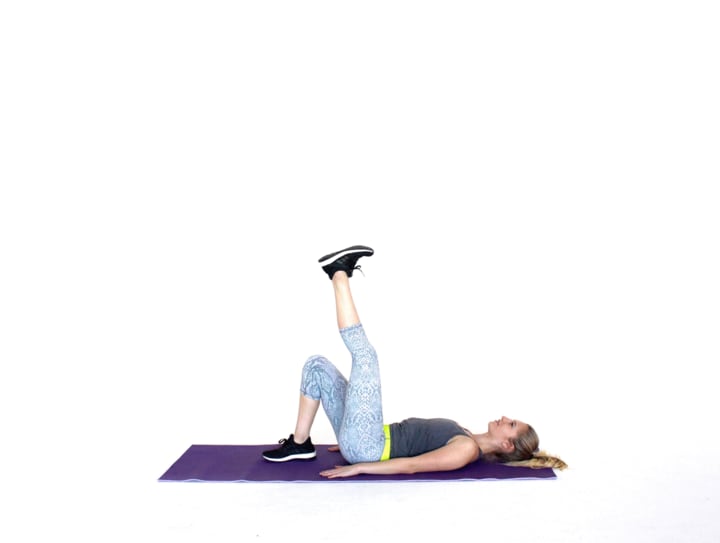
Source: makeagif.com
Deadbug: 3 x 5 each side (regression: tap ground with bottom of foot)

Source: pinterest.dk
. . .
(3) Improve coordination and teamwork of key muscles
Bird/dog: 3 x 5 on each side (regression: extend legs or arms only)

Source: pinterest.com.au
Plank: 3 x 30s (regression: perform with forearms on an incline)

Source: chatelaine.com
. . .
(4) Stabilize during functional movement
Bodyweight squat: 1 x 15 (regression: sit to stand from a chair)

Source: 24life.com
. . .
You just read another post from In Fitness And In Health: a health and fitness community dedicated to sharing knowledge, lessons, and suggestions for living happier, healthier lives.
You just read another post from In Fitness And In Health: a health and fitness community dedicated to sharing knowledge, lessons, and suggestions for living happier, healthier lives.
About the Creator
The Day My Hair Changed the Gravity of Love
The first time I wore nano ring hair extensions, I kept telling myself it was just hair. Just a little more length. A little more volume. A small, tidy upgrade that would make me look “done” in photos, the way women are expected to look done—like we woke up already edited.
By Natalee Chand3 days ago in Potent
I was in a Toxic Relationship, with my Workplace
“You got that?” My ex yelled. His hands were balled into fists at his side. At six foot three, he towered over me. A normal person would have been afraid, but I looked up a video of George Lopez repeatedly saying, “I got this,” and showed it to him. I had grown used to this treatment, so much so that I didn’t blink when he ripped the phone from my hand and threw it across the room.
By Jade M.a day ago in Confessions


Comments
There are no comments for this story
Be the first to respond and start the conversation.