
Hezbollah Launches Major Rocket Attack on Israel: Rising Tensions and UN Warnings
"Escalating Conflict: Hezbollah's Rocket Attack on Israel Sparks Regional Tensions and UN Warnings"
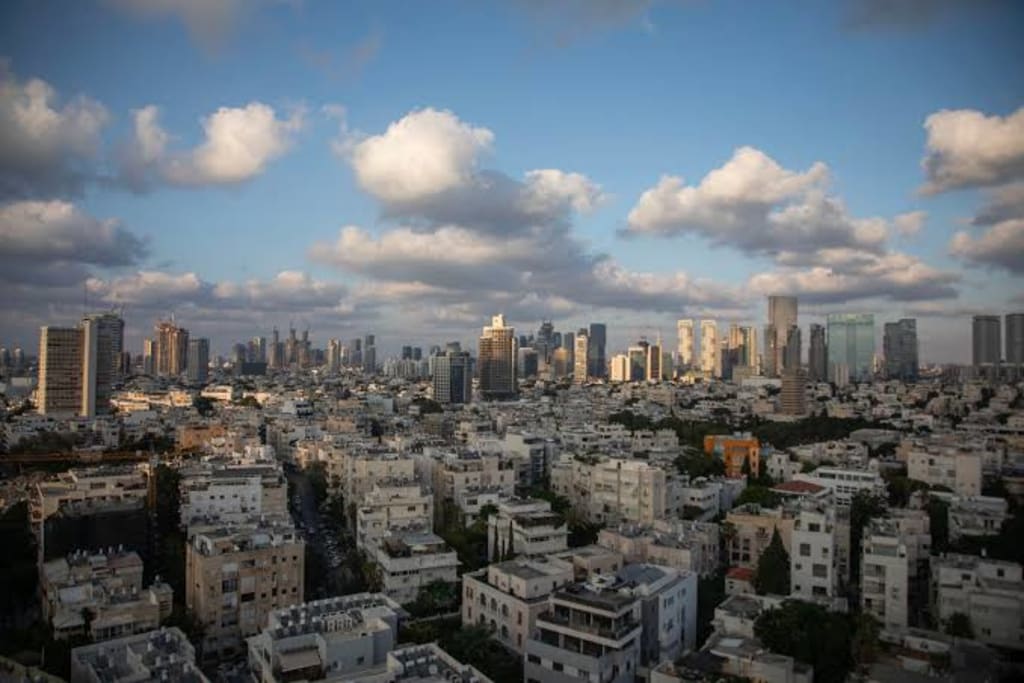
In a significant escalation of hostilities, Hezbollah has claimed responsibility for launching dozens of rockets at Israel’s Ramat David Airbase, located east of Haifa. This attack is seen as a response to recent Israeli military actions, which included extensive airstrikes in southern Lebanon. The cross-border clashes have intensified since October last year, marking a worrying trend in the ongoing conflict.
The Attack and Its Impact
Early Sunday morning, sirens blared across northern Israel as the Israeli military reported that over 100 projectiles were fired from Lebanon. This bombardment prompted hundreds of thousands of Israelis to take cover and led to the closure of schools in the region. The military’s Home Front Command announced that educational activities would be suspended in northern Israel until at least Monday evening, affecting many children.
Residents in cities like Haifa felt the effects immediately. Patrice Wolff, who works in the medical field, noted, “In Haifa, a lot of schools are closed… and offices are empty.” Thankfully, there have been no reports of casualties from this latest round of rocket fire, but the atmosphere remains tense.
Escalating Violence and Military Responses
The Israeli military’s recent operations included hundreds of airstrikes across southern Lebanon, targeting 110 locations in the early hours of Sunday. In addition to the airstrikes, large gatherings in northern cities, including Haifa, have been restricted. This extensive military response indicates that both sides are preparing for further escalation.
Hezbollah's recent rocket attacks mark a notable shift in their operational reach. Al Jazeera’s reporter Ali Hashem pointed out that this is the first time since the 2006 war that Hezbollah’s missiles have crossed a significant distance, hitting targets up to 50 kilometers (31 miles) away. The group stated that they utilized Fadi 1 and Fadi 2 rockets, moving away from the older Soviet-made Katyusha rockets typically used in recent conflicts.

A Warning from the UN
In light of the growing violence, the United Nations special coordinator for Lebanon, Jeanine Hennis-Plasschaert, issued a stark warning. She described the situation as one on the brink of “imminent catastrophe” and emphasized that a military solution would not lead to safety for either side. “It cannot be overstated enough: there is NO military solution that will make either side safer,” she asserted.
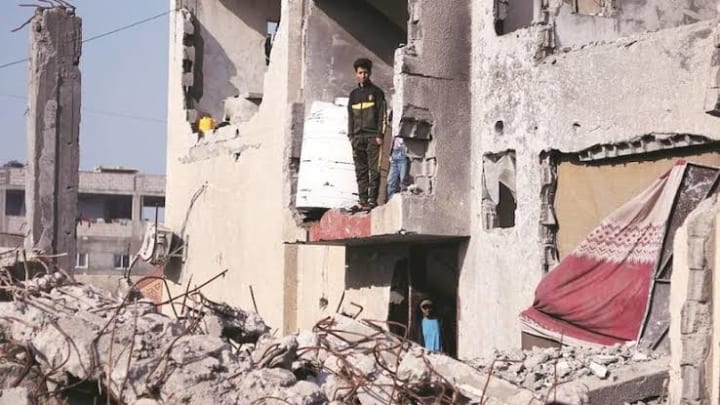
The UN's perspective highlights the broader implications of the ongoing conflict, not just for Lebanon and Israel, but for regional stability as a whole. The escalation of violence has already displaced tens of thousands of people on both sides, raising concerns about the humanitarian impact of the conflict.
Historical Context and Current Dynamics
This recent escalation is rooted in a complex history of conflict between Hezbollah and Israel, particularly following Israel's airstrike in the southern suburbs of Beirut on Friday, which resulted in at least 45 deaths and numerous injuries. Among the casualties was senior Hezbollah commander Ibrahim Aqil, whose death adds to the tension between the two sides.
Despite the ongoing clashes, Hezbollah has stated that it does not seek an all-out war but is prepared for one if it comes to that. Their leadership emphasizes that they will continue to target Israeli military installations in the north until Israel halts its military operations in Gaza.
Israeli leaders, in response, have vowed to push Hezbollah away from their borders and ensure the safety of citizens living in northern communities. This has led to a precarious situation where both sides seem to be caught in an escalating cycle of violence.
The Path Forward
As the situation develops, the risk of a major conflict looms larger. The rhetoric from both Hezbollah and Israeli leaders suggests that neither side is willing to back down. With the stakes so high and the potential for broader regional implications, the international community watches closely.
The combination of military actions, civilian impacts, and urgent warnings from officials like the UN's Hennis-Plasschaert illustrates just how fragile the current situation is. The need for dialogue and a peaceful resolution is critical, yet increasingly elusive as tensions rise.
As both Hezbollah and Israel prepare for what might come next, the hope remains for a de-escalation of violence and a return to stability in the region. However, with each passing day, the path toward peace appears more challenging.
About the Creator
Robert Jenrick
Introduction Robert Jenrick is a well-known British politician. He belongs to the Conservative Party in the United Kingdom. Over the years, he has worked in many important government roles. He is especially known for his views on housing, immigration, and law. Some people support his ideas, while others criticize them, but there is no doubt that he is an important figure in modern British politics.
By Farhan Sayeda day ago in Potent


Comments
There are no comments for this story
Be the first to respond and start the conversation.