
Healthy Aging: Embracing Wellness at Every Stage of Life
"Practical Tips and Insights for Staying Vibrant and Healthy Throughout Life's Journey"

As people age, the focus on maintaining good health becomes more critical. Healthy aging is all about living a full, active life while minimizing the risks of chronic diseases and promoting mental and emotional well-being. With an increasing number of people living longer, the importance of understanding how to age in a healthy way has never been greater. September is National Healthy Aging Month, a time to raise awareness and encourage older adults to prioritize their health.
Click here to explore its benefits and start your journey to wellness!
What is Healthy Aging?
Healthy aging refers to the process of maintaining physical, mental, and social well-being as one grows older. It's not just about avoiding illness but thriving and enjoying life at every stage. With proper care, older adults can maintain their independence, engage in meaningful activities, and stay physically fit.
The World Health Organization (WHO) defines healthy aging as “the process of developing and maintaining the functional ability that enables well-being in older age.” This functional ability includes a person's capacity to meet their basic needs, learn, grow, make decisions, and maintain mobility. In other words, healthy aging is about fostering both physical and mental resilience.
Key Factors for Healthy Aging
Several factors contribute to healthy aging. Here are the essential areas to focus on:
1. Physical Activity
Regular exercise is one of the most critical factors for healthy aging. It helps improve balance, flexibility, and strength, reducing the risk of falls and fractures. Activities like walking, swimming, or yoga can enhance cardiovascular health, build muscle, and maintain joint flexibility.
Even light exercise, such as gardening or gentle stretching, can make a significant difference. It’s recommended that older adults aim for at least 150 minutes of moderate-intensity aerobic activity each week, along with strength-building exercises twice a week.
2. Healthy Diet

A nutritious diet is essential for aging well. Eating a balanced diet with plenty of fruits, vegetables, lean proteins, and whole grains can help manage weight, maintain energy levels, and prevent chronic diseases like heart disease, diabetes, and hypertension.
Hydration is also important, as older adults are more prone to dehydration. Additionally, including calcium and vitamin D in the diet helps protect bone health, reducing the risk of osteoporosis.
3. Mental Health

Mental well-being is just as crucial as physical health. Staying mentally active by learning new skills, engaging in social activities, and keeping a positive outlook on life can help prevent cognitive decline. Activities like reading, solving puzzles, or even learning new technology can stimulate the brain and improve cognitive function.
It’s also essential to address stress, anxiety, and depression, which can impact older adults. Meditation, mindfulness, and spending time with loved ones can help manage mental health.
4. Regular Check-Ups

Routine medical check-ups allow early detection of any potential health issues. Preventive care, such as flu shots, cancer screenings, and blood pressure checks, can help catch problems early and keep chronic conditions under control. Eye and hearing exams are equally important as these senses tend to decline with age.
5. Sleep

Good sleep is critical for overall well-being. As people age, sleep patterns may change, leading to insomnia or other sleep-related problems. Maintaining a regular sleep schedule, avoiding caffeine late in the day, and creating a relaxing bedtime routine can improve sleep quality, which in turn supports overall health.
6. Staying Socially Connected

Loneliness and isolation can significantly affect older adults' mental and physical health. Staying connected with friends, family, and community members can boost mood, reduce stress, and improve overall life satisfaction. Engaging in group activities, joining clubs, or volunteering can foster social connections and give older adults a sense of purpose.
7. Avoiding Harmful Habits
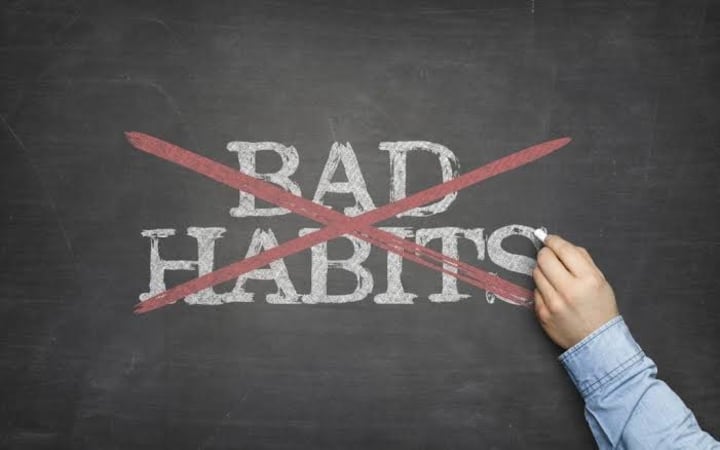
Reducing or eliminating harmful habits like smoking and excessive drinking is vital for healthy aging. Smoking contributes to numerous diseases, including lung cancer, heart disease, and respiratory conditions, while excessive alcohol intake can lead to liver disease, accidents, and cognitive decline. Making healthier choices can significantly improve quality of life in later years.
Click here to explore its benefits and start your journey to wellness!
Tips for Promoting Healthy Aging:
1.tay Physically Active:
Make exercise a part of your daily routine. Even short walks can make a big difference.
2.Eat Nutrient-Rich Foods:
Focus on whole, unprocessed foods to maintain energy and support overall health.
3.Keep Learning:
Challenge your brain with new activities, hobbies, or learning experiences.
4.Stay Positive:
Focus on what you can do, not what you can’t, and maintain a positive outlook.
5.Sleep Well:
Ensure you get enough rest, as sleep is crucial for both mental and physical health.
6.Maintain Social Connections:
Reach out to friends and family regularly to prevent feelings of isolation.
Click here to explore its benefits and start your journey to wellness!
Conclusion
Healthy aging is about living your best life as you grow older. By taking care of your body, mind, and social connections, you can enjoy a fulfilling life well into your later years. It’s never too early—or too late—to start practicing habits that promote healthy aging. Whether it’s moving more, eating better, or staying mentally sharp, small changes can have a big impact on your quality of life.
About the Creator
Tyson Fury: The Impossible Silence of the Gypsy King
Deep down, Tyson Fury has never truly known how to "retire." His announcements of hanging up the gloves? Mere interludes, at best. They are desperate attempts to muffle a voice that has been echoing in his head forever. An ancient, visceral voice that couldn't care less about championship belts or multi-million dollar purses. What it craves is the heat of the battle. For Fury, boxing has never been a job. It’s his only way to keep from drowning.
By Laurenceau Porte6 days ago in Potent
Europe in the Vise: Chronicle of a Continent Facing the Three Wills of the World
Every morning, Europe wakes up with the lingering sensation of having shrunk during the night. Not geographically, nor demographically, but symbolically, strategically, and existentially. Around it, three distinct "wills" have risen—three ways of wielding power and relating to the world that have little to do with European slowness, its internal debates, or its moral hesitations. Vladimir Putin, Donald Trump, and Xi Jinping do not form an official alliance, let alone a coordinated conspiracy. Yet, they embody something deeper and more unsettling for the Old Continent: the brutal return of raw, unabashed power, while Europe continues to view itself as a historical exception—a "post-tragic" space that has supposedly moved beyond the law of the strongest. The rest of the world, however, never signed up for this fiction.
By Laurenceau Porte5 days ago in Potent


Comments
There are no comments for this story
Be the first to respond and start the conversation.