
Cannabis Extraction
The Intricacies of Cannabis Extraction: A Deep Dive into the Process

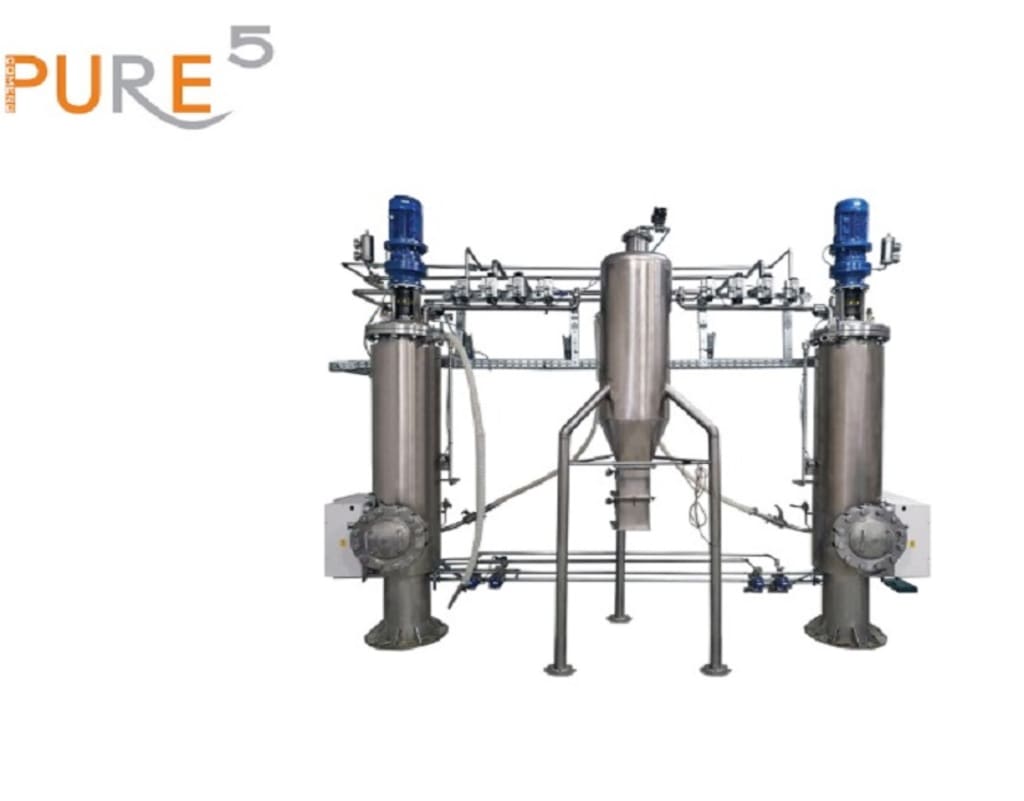
Cannabis extraction is a fascinating and intricate process that plays a pivotal role in the production of a wide array of cannabis-based products. The goal of extraction is to isolate the desired compounds from the cannabis plant—primarily cannabinoids and terpenes—while removing unwanted material such as plant matter. The methods employed can vary widely, depending on the intended use, scale of production, and desired purity of the final product.
Understanding the fundamentals of extraction is essential not only for manufacturers but also for consumers seeking high-quality products. With advancements in technology and growing demand, extraction techniques have become more sophisticated, yielding products with enhanced potency and purity. This post delves into the various methods of cannabis extraction, their applications, and the considerations that ensure a successful outcome.
Overview of Cannabis Compounds
Before exploring the extraction process, it’s crucial to understand the compounds being targeted. Cannabinoids like THC (tetrahydrocannabinol) and CBD (cannabidiol) are the most well-known, but the cannabis plant contains over 100 different cannabinoids. These compounds interact with the body’s endocannabinoid system, influencing various physiological processes.
Terpenes, on the other hand, are aromatic compounds that contribute to the plant’s unique scent and flavor profiles. They also have therapeutic properties and work synergistically with cannabinoids in what is known as the “entourage effect.” Efficient extraction methods aim to preserve these delicate compounds, ensuring that the final product retains its full spectrum of benefits.
Solvent-Based Extraction Techniques
One of the most popular categories of extraction involves the use of solvents to separate cannabinoids and terpenes from the plant material. Solvents can be classified as either hydrocarbons or alcohol-based, with each type offering unique advantages.
Hydrocarbon Extraction
Hydrocarbon solvents such as butane and propane are widely used in the industry. These solvents are effective at dissolving cannabinoids and terpenes, producing a highly concentrated extract. The process typically involves introducing the solvent to the plant material, allowing it to bond with the desired compounds. The mixture is then subjected to heat or pressure to evaporate the solvent, leaving behind a pure extract.
While hydrocarbon extraction is efficient, it requires meticulous control and safety measures due to the flammability of the solvents. Modern equipment has significantly improved the safety and precision of this method.
Ethanol Extraction
Ethanol is another common solvent, prized for its ability to extract both polar and non-polar compounds. The process involves soaking or washing the plant material with ethanol, which pulls out cannabinoids, terpenes, and other beneficial compounds. Ethanol extraction is often favored for its versatility and scalability.
This method is particularly popular for producing full-spectrum extracts, which retain a broader range of the plant’s natural compounds. However, additional refinement steps may be needed to remove impurities and excess plant material.
Solventless Extraction Methods
For those seeking cleaner and more natural processes, solventless extraction offers an appealing alternative. These methods rely on mechanical or thermal techniques to separate cannabinoids and terpenes without the use of chemical solvents.
Rosin Pressing
Rosin pressing is a straightforward method that uses heat and pressure to extract resinous compounds from cannabis flowers or hash. The process involves placing the plant material between heated plates and applying pressure, which causes the resin to ooze out. The resulting product is a high-quality, solvent-free concentrate.
This technique is popular among small-scale producers and home enthusiasts due to its simplicity and lack of chemical involvement. However, it may not be suitable for large-scale operations.
Ice Water Hash
Also known as bubble hash, this method uses ice water and agitation to separate trichomes (the resinous glands containing cannabinoids and terpenes) from the plant material. The process involves soaking the plant material in ice water and then filtering it through fine mesh screens to collect the trichomes.
Ice water hash is prized for its purity and lack of chemical residues. It’s a time-intensive process but yields a product that is both potent and natural.
Supercritical CO2 Extraction
Supercritical CO2 extraction is a cutting-edge method that combines efficiency, safety, and environmental sustainability. This process uses carbon dioxide in its supercritical state, where it exhibits properties of both a gas and a liquid. The CO2 acts as a solvent, extracting cannabinoids and terpenes from the plant material.
The advantage of this method lies in its precision and ability to fine-tune the extraction parameters, such as pressure and temperature, to target specific compounds. Additionally, CO2 is non-toxic and can be easily purged from the final product, making it an eco-friendly option.
Supercritical CO2 extraction is widely used for producing high-quality cannabis oils, vape cartridges, and other concentrated products. The initial investment in equipment can be high, but the long-term benefits often outweigh the costs for large-scale producers.

Key Considerations for Successful Extraction
Achieving optimal results in cannabis extraction requires attention to several critical factors:
Quality of Raw Material
The quality of the starting cannabis material significantly influences the final product. Fresh, high-grade cannabis with a rich profile of cannabinoids and terpenes is essential for producing premium extracts.
Equipment and Technology
Modern extraction equipment offers improved safety, precision, and efficiency. Choosing the right equipment for the desired end product is crucial for ensuring consistency and quality.
Post-Processing Techniques
After the initial extraction, additional refinement steps may be needed to achieve the desired purity and consistency. These can include winterization (removing fats and waxes), decarboxylation (activating cannabinoids), and distillation (further purifying the extract).
Safety and Compliance
Cannabis extraction involves working with flammable solvents, high pressures, and temperatures. Adhering to strict safety protocols and regulatory guidelines is non-negotiable for ensuring both worker safety and product integrity.
Applications of Cannabis Extracts
Cannabis extracts are incredibly versatile and serve as the foundation for a wide range of products. Some of the most common applications include:
Vape Oils: Concentrated extracts are used to create vaporizer cartridges, offering a discreet and convenient consumption method.
Edibles: Cannabis extracts are infused into food and beverages, providing an alternative to smoking or vaping.
Topicals: Extracts are incorporated into creams, balms, and lotions for localized relief from pain and inflammation.
Tinctures: These liquid extracts are consumed orally or sublingually for precise dosing and rapid onset of effects.
The Future of Cannabis Extraction
As the cannabis industry continues to grow, the demand for innovative and efficient extraction methods is expected to rise. Emerging technologies, such as ultrasonic extraction and advanced chromatography techniques, promise to further enhance the quality and diversity of cannabis products.
Additionally, sustainability is becoming a key focus, with researchers exploring methods to reduce waste and energy consumption during extraction. For example, closed-loop systems and renewable solvents are gaining traction as eco-friendly alternatives.
The art and science of cannabis extraction are central to the evolution of the cannabis industry. Whether through traditional methods or state-of-the-art technology, the goal remains the same: to deliver safe, effective, and high-quality products that meet the needs of consumers. By understanding the complexities of the extraction process, both producers and consumers can appreciate the effort and expertise involved in creating the products they rely on.
About the Creator
PURE5 Extraction
We have top of the line Ethanol Cannabis Extraction Equipment. Ethanol extraction is but one way to extract CBD and THC from the cannabis plant.
Keep reading
More stories from PURE5 Extraction and writers in Potent and other communities.
Methods and Key Considerations of Advanced Terpene Extraction Equipment
Terpenes are organic compounds found in various plants, particularly cannabis, that give them their distinctive aromas and flavors. They play a critical role in the therapeutic benefits of these plants, contributing to the entourage effect when combined with cannabinoids like THC and CBD. The growing interest in the health benefits and commercial potential of terpenes has led to advancements in extraction technologies. These technologies are essential to isolate terpenes in a way that preserves their chemical structure, potency, and unique qualities. The equipment used for Terpene extraction Equipment is vital in achieving high-quality results, ensuring the final product is both pure and effective.
By PURE5 Extractionabout a year ago in Potent
A Day Off
I haven’t had a day off since the early 2000’s. I am so tired and weary. Actually, I am disgusted. Not having a break in more than 25 years is maddening. Day in and day out, the same thing, constant aggravation, and misery and surrounded by angry people, takes a toll. I feel like I am on the turnpike of no return, and the toll cost is higher than it should be, or I can afford..
By Alexandra Grant4 days ago in Potent
The Seam That Holds the Sky
I didn’t plan for hair extensions to change anything big. I told myself it was just a practical decision—something to make mornings easier, something to help my hair look the way I wished it always did when I was rested, hydrated, and living a life with fewer deadlines. But I still remember the moment I sat in the salon chair and realized this wasn’t only about hair. It was about how often I’d been shrinking myself without noticing.
By Natalee Chand4 days ago in Potent




Comments
There are no comments for this story
Be the first to respond and start the conversation.