
Biochar: How Hemp Waste Could Help Fight Climate Change
Learn how hemp waste gets converted into biochar and how this can help in the fight against climate change.

Hemp, a form of cannabis, has shown promise in the natural health field for helping a wide range of health issues. The waste products from hemp farming, when converted into biochar, have also shown promise in fighting climate change.
What is Hemp?
Hemp is a form of cannabis plant that is grown for its leaves, flowers, and fibers. It can be used in the manufacturing of building materials and plastic alternatives. It is most widely used for its medicinal properties, however.
The hemp plant doesn’t contain THC in high enough amounts to create a psychoactive effect. It does contain THCa, a precursor to THC, in trace amounts.
The oil extracted from the hemp plant has been used to help with a range of health conditions such as:
- Anxiety
- Depression
- Insomnia
- Inflammation
- Chronic pain
More research is needed to fully understand the reported benefits of hemp, but the anecdotal evidence is promising.
What is Hemp Biochar?
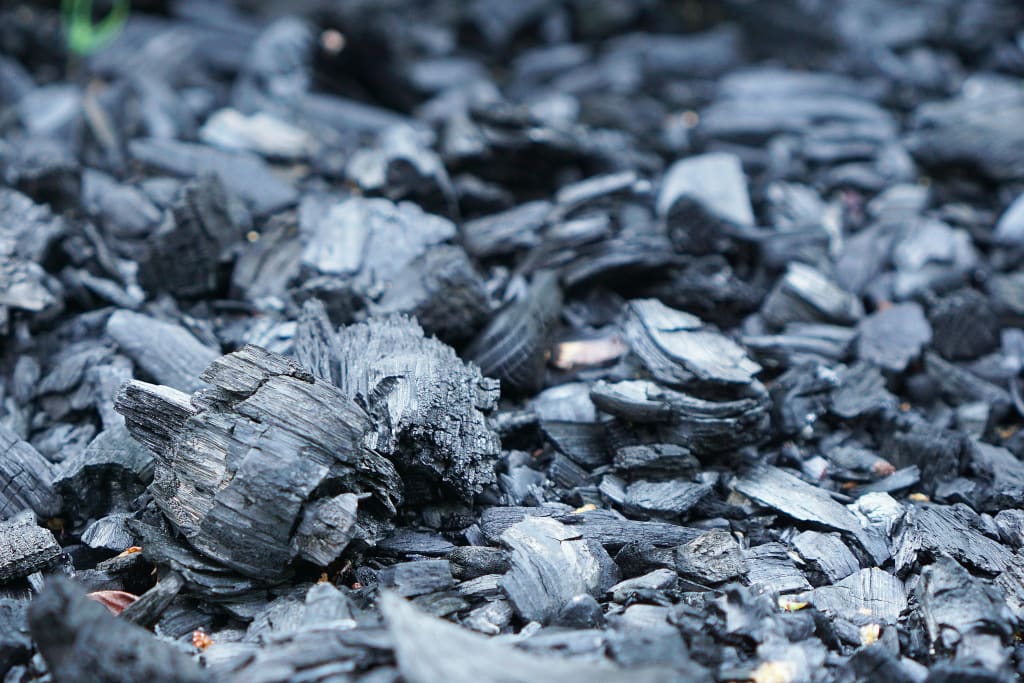
Hemp is traditionally grown for its flower, leaves, and fiber. Biochar is created when hemp waste is heated in a low oxygen environment during a process known as pyrolysis. This transforms the carbon inside the waste matter into a charcoal-like material that traps it instead of allowing it back into the atmosphere.
Biochar allows hemp farmers to claim carbon neutral status. Hemp removes high levels of carbon from the atmosphere during growth. When waste is turned into biochar, the carbon is not rereleased into the air like it would be if it was burned or allowed to decompose.
How is Biochar Beneficial?
Biochar offers several benefits to the environment and to hemp farmers. Studies are ongoing to determine the extent of these benefits. These can include:
Reduced Carbon Emissions
When plant matter breaks down or is burned, it releases carbon dioxide back into the air. Creation of biochar doesn’t have this effect, and the carbon is locked into the charred matter where it cannot be released.
Energy Production
The process of converting hemp waste into biochar can, itself, be used in creating alternative sources of energy. This process, called pyrolysis, can be used to create energy sources such as bio-oil, syngas, and heat. Use of these alternative energy sources can help offset fossil fuel usage.
Soil Amendments
Biochar adds nutrients back into the soil, allowing new plants to grow more easily. Plants utilize carbon dioxide during photosynthesis, offsetting carbon emissions. Additionally, biochar can take the place of chemical fertilizers, preventing pollution from chemical runoff.
Reduced Soil Toxins
Biochar, added to soil, not only fertilizes but may also help absorb or neutralize existing contaminants like heavy metals. Biochar may also help remove carbon from the air when added to soil.
The Hemp Eco-Friendly Lifecycle
Hemp is one of the most environmentally sustainable crops, based on several studies. Not only does it use more carbon from the atmosphere than many other crops, but it helps promote healthier soil for other crops.
Using hemp for crop rotations has shown to promote higher yields. Hemp grows quickly and has deep roots that help aerate soil and break it up. The roots also bring water toward the surface and bring organic matter back to the soil.
Studies have shown that planting hemp alternating with other crops, such as corn, helps farmers increase food yields.
Hemp is also naturally drought resistant and uses much less water than many other crops. It is highly resilient and typically requires less fertilizer and pesticides than other crops, making it an eco-friendly choice from seed to biochar production.
Other Biochar Benefits
Farmer Income
Aside from environmental impacts, biochar gives hemp farmers a secondary income possibility. Selling biochar to other farmers as a soil amendment allows them to profit from hemp waste products. Using hemp as a rotational crop can help farmers in other industries increase profits as well.
Reduction in Fertilizer Need
As more farmers utilize biochar, there may be a reduced need for chemical fertilizers. This not only prevents runoff and promotes healthier food sources, but it also reduces the need for fertilizer manufacturing and transport.
What the Future Holds
Universities are currently holding studies to determine hemp’s overall impact on the environment when used for its biochar and as a rotational crop. Preliminary results are promising, but work is ongoing to find the extent of biochar’s benefits.
Other studies are looking into any potential benefits to the process of pyrolysis itself. During this process, it has been noted that biochar has unusually high levels of conductivity. This may make it useful in the production of energy or in electronics manufacturing.
How You Can Support Hemp Farmers
Farmers are not the only people who can directly benefit from hemp and biochar. There are several ways consumers can benefit from hemp products, and as a result, help promote ecofriendly companies.
Reduce Fertilizer Usage
Biochar can be purchased in smaller amounts directly from producers or from select retailers. This can help reduce your need for fertilizers in your home garden or flower beds, helping to keep local water systems clean and healthy.
Hemp Uses
Even if you are not a gardener, you can reap the benefits of using hemp products. The most common include:
CBD Hemp Oil: CBD oil is legal federally and can help with a range of health complaints. It also promotes lower inflammation for health promoting benefits.
Hemp Plastics: Hemp is quickly gaining traction as a material which can be used in place of conventional petroleum based plastics. This offers a non-toxic alternative to plastic products and reduces the need for fossil fuels.
Hemp Clothing: The hemp plant uses far less water than cotton, and doesn’t require as many pesticides. It’s also fast growing, making it a highly renewable resource. This makes it a great alternative to traditional clothing materials. Hemp fiber is not only eco-friendly, but also durable, antimicrobial, and breathable.
About the Creator
Jamie Rooney
Jamie Rooney is a project manager with a passion for alternative health and sexual wellness. When he's not advocating for inclusive sexual health, he's exploring the world of natural remedies and holistic wellness.
Keep reading
More stories from Jamie Rooney and writers in Potent and other communities.
The Entourage Effect: How Hemp and Cannabis Compounds Work Together
Some decades back, cannabis was seen as a harmful plant due to its ability to get its consumers high. However, in recent times and as more research grows, cannabis has proven itself to be more than just a plant, but it also offers therapeutic and medicinal value. It is from this research that we uncovered the entourage effect.
By Jamie Rooney7 months ago in Potent
When the Shelter Closes
Across the street from my house, a man slept under a tree, his dog by his side. My first, naive thought: he must be traveling through. But he kept coming back, often sleeping there during the day. Then it hit me—that person might not have a home.
By Bride of Sound2 days ago in Humans




Comments
There are no comments for this story
Be the first to respond and start the conversation.