
Are 'Healthy Drinks' good for you?
Vicissitudes of Consumption!

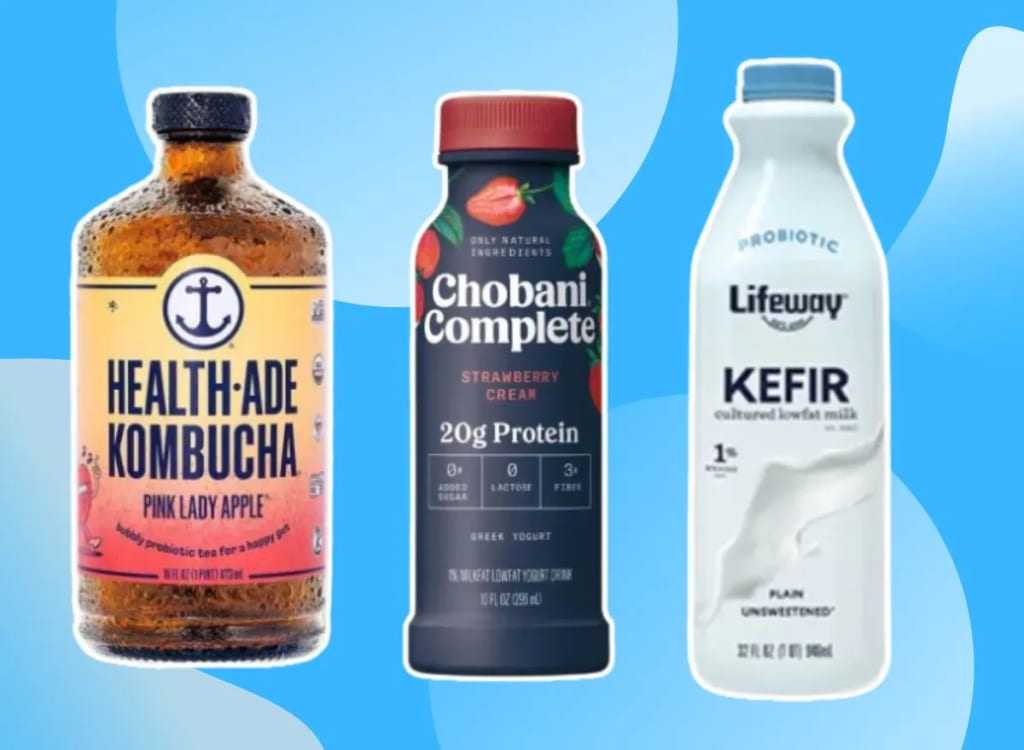
The U.S. healthy drinks market is valued at $9.2 billion. This accounts for 10% of the drinks industry. Interestingly, this sector has grown by 50% since the COVID pandemic began. As society becomes more health-conscious, these drinks are gaining popularity. Yet, one must consider whether they are genuinely healthy and worth the extra cost.
Functional drinks are beverages marketed with added benefits for consumption. Think of coffee, energy drinks, alcohol, and soda. These provide a certain buzz, often due to caffeine, sugar, or alcohol. However, the market is shifting toward a new type of functional drink. This is often a euphemism for healthy beverages.
Ingredients in these drinks might include probiotics for gut health, adaptogens for calmness and nootropics for brain health. A probiotic beverage contains live microorganisms, referred to as probiotics. These microorganisms aim to improve the balance of bacteria in the gut. Probiotics work by crowding out harmful germs. This mechanism can help prevent and treat dysbiosis. Dysbiosis is defined as an imbalance of beneficial microbes in the microbiome.
Functional drinks are not new; tea and coffee have been providing buzz for centuries. However, the modern functional drinks industry saw a significant start in the 1980s with Red Bull. An Austrian toothpaste salesman discovered a popular energy drink among Thai truck drivers and successfully marketed it to blue-collar workers in Europe.
Red Bull became a poster child for functional drinks. It offered caffeine, sugar replacements, B vitamins, and taurine. Clever marketing suggested enhanced endurance and concentration, yet no scientific evidence supported these claims. Today, consumer preferences have evolved. People are increasingly aware of the health risks associated with ultra-processed foods and pollution. They seek simple alternatives that may offer small health benefits.
The COVID pandemic accelerated the growth of this industry. Many beverages now claim to be not just safe but beneficial for health. The functional drinks market is growing rapidly. Brands rush to meet consumer demands for products that may enhance gut-brain connections. This suggests that caring for gut health could improve mental and overall well-being.
Celebrities are now entering this market in droves, launching their functional drink lines, including The Rock, Katy Perry, and Bella Hadid. However, scientific backing for these claims remains minimal. A notable drink gaining attention is kombucha, a probiotic beverage. The global probiotic drink market is currently valued at $40 billion and is expected to reach $99 billion by 2033.
This sector consists of two main types of drinks. Prebiotic sodas prepare the gut for better nutrient absorption. Probiotic drinks introduce beneficial bacteria into the gut. Both types aim to promote gut health. Yet, determining whether these drinks are genuinely beneficial remains challenging. None are FDA regulated, allowing them to assert significant health claims without scientific validation.
Packaging plays a crucial role in consumer perceptions. Brands utilize buzzwords like probiotics, nootropics, adaptogens, and CBD to attract buyers without substantive evidence. Furthermore, there is limited understanding regarding gut health enhancement. Many drinks make bold claims without supporting scientific research.
When choosing drinks in the supermarket, scrutinize labels carefully. Be wary of nebulous statements like “supports skin elasticity” or “enhances brain health,” as they convey little meaning. Probiotic drinks often don’t specify their ingredients, so seek out those that clearly identify the strain used. If health is your objective, aim for drinks that are lower in sugar. Many sodas contain more sugar than consumers realize.
Though scientific validation may be lacking, some ingredients featured in these drinks have a long history of use in different cultures, such as green tea, ashwagandha, and ginseng. Stay alert to brands that leverage common health concerns, making bold claims that exceed current scientific understanding.
About the Creator
Tafara Sibotshiwe
A versatile authentic writer and passionate storyteller. With a background in, Journalism, Engineering, History, Health & finance, they combine profound insight with creative flair to explore the complexities of the human experience.
Keep reading
More stories from Tafara Sibotshiwe and writers in Potent and other communities.
Why More Young People Are Getting Cancer
There is concern about the sharp increase in cancer rates among young people. This rise in incidence among individuals aged 15 to 39 has increased by 40% from 1975 to the present. There is a sense of mystery and concern within the oncology community as they attempt to understand this trend. Cancer rates among the youth are rising especially in countries with Western lifestyles, including the US, Canada, the UK, Australia, and parts of Europe.
By Tafara Sibotshiweabout a year ago in Potent
How Can I Stop Receding Hairline
The first time I noticed it, I thought it was the lighting. I was seventeen, standing in the bathroom before school, pushing my hair back the way I always did. The corners at my temples looked… different. Slightly higher. Slightly thinner.
By Emma Smith3 days ago in Potent
The Hidden Power of Mindfulness
Unlocking the secrets of mindfulness Minds race these days- tapping defenses, tangled in studies, caught in what- ifs or what was. Life slips forward into hereafter or back into history, nearly noway staying right then. Only when everything slows does attention settle on now. That settling? It has a name some call awareness. Curiosity grows around it recently- what it really means keeps coming up.
By Abdul Lateefabout an hour ago in Potent
A Planetary Alignment will coincide with Mercury Retrograde
Double phenomena in the heavens Some people say in jest that the planets have aligned in their favor when life works the way they desire. Were you aware that there are seasons when things do line up in the heavens? There will be a planetary alignment AKA a planet parade, on February 28, 2026.
By Cheryl E Preston3 days ago in FYI



Comments
There are no comments for this story
Be the first to respond and start the conversation.