
What Can Be the Reasons for Divorce Between Couples
Understanding Common Reasons for Divorce: Communication, Trust, and Beyond

Couples may want to divorce for many different reasons, but the most common reasons for divorce are usually a combination of personal, emotional, economic and, in some cases, social factors. The dynamics of each couple are different, but there are certain issues that couples cite to their lawyers as reasons for divorce.
Communication Problems
Communication problems can disrupt not only marriages but all kinds of human relationships. However, miscommunication, which is one of the most common causes of divorce, manifests itself in a lack of open, honest or effective communication between couples, misunderstandings and the accumulation of negative emotions. Because of these factors, conflicts between couples become unresolvable and then their relationship may reach a point where they can no longer move forward. People may see the problems in their marriages as minor at first, but then they snowball into bigger problems and end in divorce and people may seek the guidance of a divorce lawyer.
Trust Issues
For people to feel comfortable in a relationship, they need to trust the other person. Sometimes people can cheat, lie or break promises in relationships. When couples are faced with such situations, the foundation of their relationship can be shaken. This is because partners will no longer feel comfortable and secure in the relationship and this loss of trust often brings the relationship to an irreparable point.
Financial Problems
Financial problems are one of the situations that can cause people a lot of problems, and many marriages have many arguments about money. If a couple's income level drops, their debts increase, or if two people with different spending habits come together, they may soon realize that they are incompatible and want to divorce. At the same time, lack of money creates a great deal of stress in people and this stress can increase tension in relationships, causing partners to see smaller problems as bigger ones.
Family Relationships and Intervention
The relationship of the parties with their families and their influence on the marriage is seen as one of the reasons for divorce. The desire of mothers-in-law or fathers-in-law to interfere too much in the relationship and the intervention in their marriages can increase the disagreements of the couples and create tension between them. Family pressure and expectations can make it difficult for spouses to maintain a harmonious relationship.
Physical or Emotional Violence
Physical or emotional violence, which is a very serious and destructive cause, usually ends marriages within a short period of time. As a result of violence, one party harms the other and the relationship will no longer be able to function in a healthy way. In relationships where violence is involved, divorce may be seen by people as the only solution, and the abused party may even be taken under protection. As a result of this, a messy divorce can occur.
Different Goals and Values
Everyone has goals and values that they hold dear and strive to achieve throughout their lives. In a marriage, it is often important for partners to align their long-term visions to ensure harmony and mutual growth. However, when couples discover that their goals or values are significantly different, it can lead to major challenges in their relationship. For instance, one partner may prioritize career advancement and financial success, while the other may value work-life balance or a simpler lifestyle. Similarly, differing opinions on whether or when to have children, how to raise them, or even fundamental beliefs such as religion or political values, can create a rift between spouses.
These differences, while sometimes manageable through compromise and mutual understanding, may grow over time if left unresolved, leading to feelings of frustration, resentment, or even alienation. One partner may feel unsupported in their ambitions or disrespected in their core beliefs, causing a breakdown in emotional connection. When couples reach a point where they no longer see a shared future or feel incompatible in their visions for life, the relationship may deteriorate, often resulting in the decision to divorce. Addressing these disparities early and openly can sometimes help mitigate conflicts, but when the gap is too wide, divorce may become the only viable option for both parties to pursue happiness and fulfillment individually.
About the Creator
Keep reading
More stories from Susan Scava and writers in Poets and other communities.
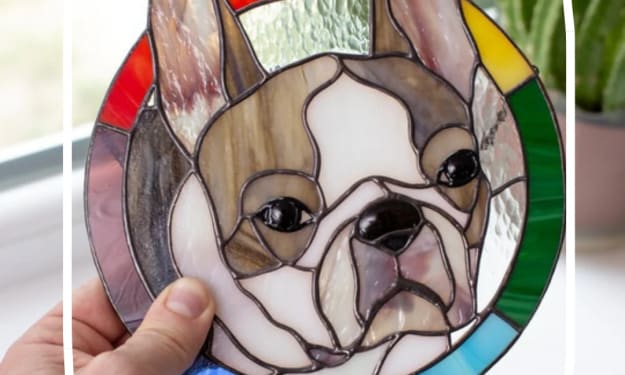
The Timeless Beauty of Stained Glass Art
Stained glass has long been admired for its ability to combine functionality with stunning visual appeal. From its origins in grand cathedrals to its use in homes and public spaces today, stained glass art continues to inspire with its vibrant colors and intricate designs. If you’re looking to add a unique and artistic touch to your space, stained glass can be the perfect choice, offering both beauty and character. You can explore a beautiful selection of stained glass birds in the GlassArtStories online store.
By Susan Scavaabout a year ago in Poets
Tatt~Master
— Assembly Line Tatt Machine ~ Impressions to Impress — As I begin to understand more about the Tattoo Phenomenon. I've written silly, yet verbatim, dating site anecdotes in 'Frazzled.' So let me ask you: Would you be More attracted to someone slathered with tattoos, or Less?
By Jay Kantor7 days ago in Humor



Comments
There are no comments for this story
Be the first to respond and start the conversation.