
We Grew Up Together, But He Grew Up Faster
Childhood friendships aren’t always meant to last—but sometimes, they haunt

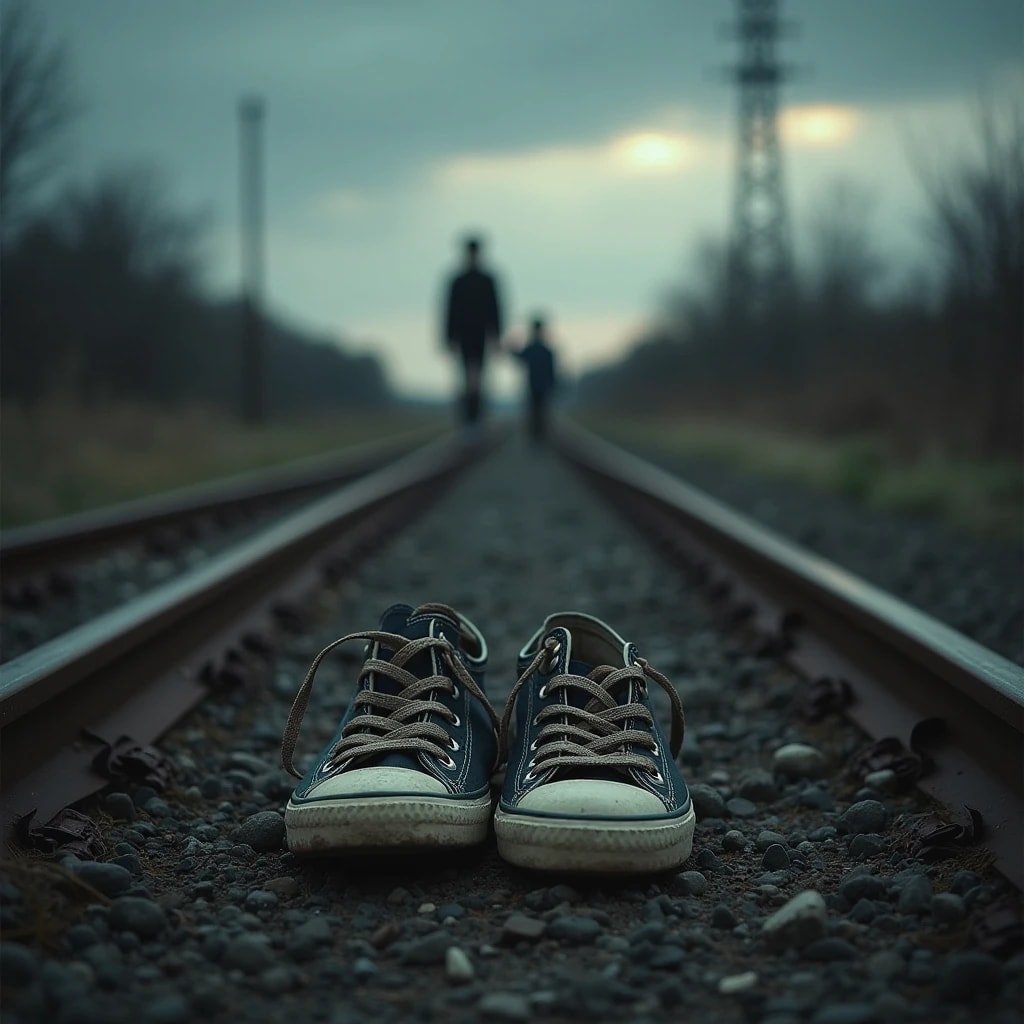
I first met Aaron when I was seven, and he was eight. He had just moved into the house across the street—a worn-down white building with ivy creeping up the sides and a broken mailbox that never stood straight. I remember the first time I saw him: he was sitting on the curb, barefoot, with a blue backpack beside him and a distant look in his eyes.
He didn’t smile much, not at first. But when he did, it was like a door creaking open in a long-abandoned house. You couldn’t help but want to step inside.
We were inseparable from the moment we spoke. Aaron was bold, reckless, and somehow older than his years—like life had already shown him too much. I, on the other hand, was shy, rule-abiding, and easily afraid. He teased me for it often, but never cruelly.
“Stick with me,” he used to say. “I’ll teach you how to live.”
And he did.
The Unwritten Rules of Our Childhood
Summers were sacred. We explored every alley in our town like explorers discovering ruins. We gave names to trees, assigned magic to abandoned places, and created rituals only we understood. There was the rock in Mr. Beal’s backyard that we called “The Throne.” The tire swing behind the school that became “The Portal.” And the old train tracks—rusted and overgrown—that were our “Edge of the World.”
We made pacts with spit and blood. Promises that felt eternal when whispered under moonlight.
Rule #1: Never lie to each other.
Rule #2: Never leave the other behind.
Rule #3: If one of us ever disappears, the other has to find them.
We believed in magic. Or at least, I did. Aaron believed in something else—something darker, more real.
“My dad drinks,” he confessed once, during a thunderstorm that knocked out all the power. “And my mom hides it. That’s what grownups do. They lie and hide.”
I didn’t know what to say. So I handed him a flashlight and said, “Well, you don’t have to.”
He smiled at me, that rare door-creak smile, and nodded. “Promise I won’t. Not to you.”
The Years Between
Things changed when we turned thirteen.
Aaron started skipping school. At first it was once or twice a month. Then weekly. Then whole stretches of time when I wouldn’t see him at all. His house was quieter now—no more music or laughter. Sometimes I’d catch him outside at night, smoking something I didn’t recognize, talking to older kids I didn’t know.
He grew taller, leaner, angrier. The kindness in his eyes didn’t vanish—it just went deeper, buried under something I couldn’t name.
I, meanwhile, stayed the same. Still scared of detentions, still turning in homework, still waiting by the tracks every Friday like we used to.
Until one day, he didn’t show up.
The Night of the Fight
We were fifteen when it happened.
He showed up at my window at 1 a.m., blood on his shirt and a split lip. I opened the latch without thinking.
“Don’t ask,” he muttered.
But I did.
He told me he got into a fight with a senior who owed him money. “Nothing serious,” he added with a smirk that didn’t reach his eyes. “Just street justice.”
I was shaking. “Why are you doing this? This isn’t you.”
He looked at me for a long time. “You never grew up.”
“What’s that supposed to mean?”
“It means you still believe in rules. In finding magic in garbage. In saving people.”
“Aaron, I—”
“You don’t get it,” he said, voice low. “You have parents who care. Teachers who listen. A future that’s already being handed to you. I have to make my own. And that means learning to stop waiting for people who won’t change.”
“Are you talking about me?”
He didn’t answer. He just walked out.
The Disappearance
I didn’t see Aaron again after that night.
Rumors spread—some said he moved in with relatives, others whispered he got arrested. I checked the tracks, the portal, the throne. All our sacred places.
Gone.
I wrote letters I never sent. I made playlists of songs we used to scream from rooftops. I tried to forget. But I couldn’t.
Because we had made a rule. If one of us ever disappeared, the other had to find them.
And I hadn’t.
A Decade Later
It’s been ten years. I live in the city now, working a job that’s comfortable but not fulfilling. My friends say I’m emotionally distant. My therapist says I’m still holding onto something from the past.
Last week, I got a message on Facebook from a name I hadn’t seen in forever: Aaron Miles.
No profile picture. Just a message.
“Do you still go to the tracks?”
My heart skipped.
“No. Not for years,” I replied.
A few minutes later:
“Meet me there. Friday. Midnight.”
The Return to the Edge of the World
The train tracks were exactly how I remembered—only quieter, sadder, like they too had aged without healing. Weeds grew taller now. The air felt thicker.
At 12:03 a.m., I saw him.
Aaron.
Older. Gaunter. But still him. The same eyes, only dimmer. Haunted.
Neither of us spoke for a long time. Then he handed me something.
A photograph.
It was of us—nine years old, sitting on The Throne, arms around each other, goofy grins plastered across our dirt-covered faces.
“I found it in a box,” he said. “Didn’t even remember taking it. But when I saw it, something snapped.”
“What?”
“I wanted to feel like that again. Even just for a second.”
I nodded.
“I’m sorry,” he whispered. “For leaving. For shutting you out. For growing up too fast.”
I took a deep breath. “I’m sorry for not chasing after you.”
We sat in silence after that. Watching stars we used to name. Hearing trains that would never come.
The Unspoken Rule
That night, he told me everything.
How he ended up in juvie. How he tried to start over. How he failed. How he succeeded. How he got clean. How he still sometimes wakes up wondering who he is.
And how, every time he felt lost, he remembered our rules.
Especially the last one.
If one of us ever disappears, the other has to find them.
“I didn’t think you’d come,” he said.
“I didn’t think you’d ask,” I replied.
Epilogue: When the Magic Returns
We meet once a month now.
Sometimes we talk. Sometimes we don’t. But we sit by the tracks, like old ghosts revisiting the place they once haunted.
Aaron is rebuilding his life.
And I, somehow, am rebuilding mine.
Because childhood friendships don’t always last.
But sometimes—they don’t die either.
They just wait.
Buried under rust, and memory, and rules we never stopped believing in.
About the Creator
Muhammad Sabeel
I write not for silence, but for the echo—where mystery lingers, hearts awaken, and every story dares to leave a mark
Keep reading
More stories from Muhammad Sabeel and writers in Poets and other communities.
Dating as a Trans Woman in a Cis World
Dating is hard for everyone—but when you're a trans woman navigating relationships in a world built around cisgender norms, it becomes something else entirely. It’s not just about swiping right, small talk, or deciding what to wear. It’s about safety. About disclosure. About wondering whether someone’s attraction to you will suddenly vanish once you speak your truth.
By Muhammad Sabeel10 months ago in Poets
A System That Isn’t Working Challenge Winners
Systems promise order. They organize behavior, distribute opportunity, and suggest that if everyone follows the rules, things will work. The entries in A System That Isn’t Working look closely at what happens when that promise begins to slip.
By Vocal Curation Team4 days ago in Resources




Comments
There are no comments for this story
Be the first to respond and start the conversation.