
Voices in Verse: A Tale of Two Poets
Exploring the Lives, Styles, and Legacy of Two Literary Icons
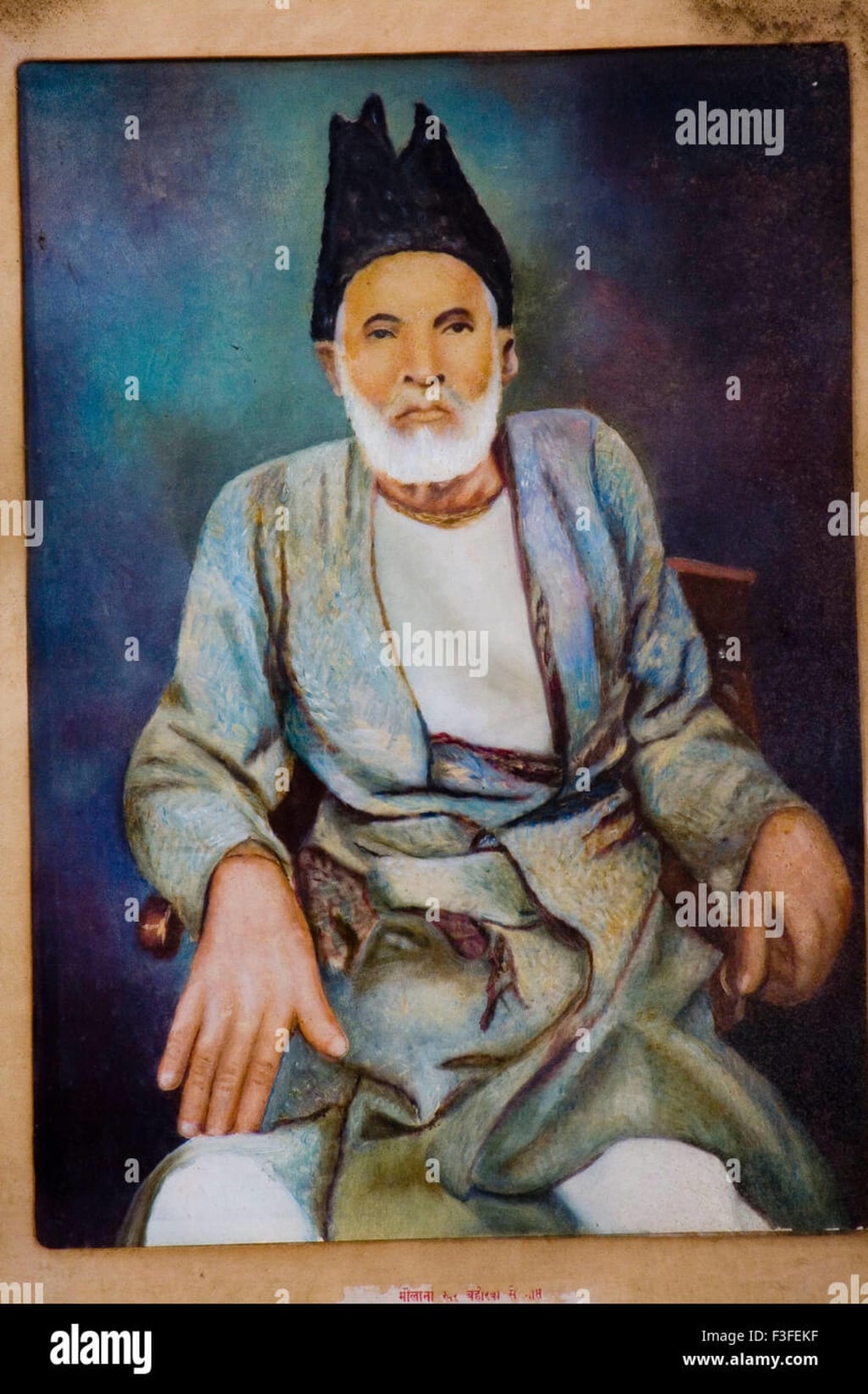
Poetry has always been a mirror of emotions, culture, and history. Among the many voices that have echoed through time, two poets—Allama Iqbal and Mirza Ghalib—stand out for their depth, brilliance, and impact on Urdu and Persian literature. Though their styles were different, their influence on generations of readers remains unmatched.
Mirza Ghalib: The Philosopher of Pain
Born in 1797 in Agra, Mirza Asadullah Khan Ghalib is often considered the greatest Urdu poet of all time. His poetry is rich in emotion, often touching upon themes of love, sorrow, existence, and philosophy. Living through the decline of the Mughal Empire, Ghalib witnessed a changing world, which deeply affected his poetry.
His ghazals were full of complexity, wit, and irony. He used metaphors and abstract ideas to describe pain, longing, and spiritual emptiness. One of his famous couplets reflects this perfectly:
“Hazaron khwahishen aisi ke har khwahish pe dam nikle,
Bahut nikle mere armaan lekin phir bhi kam nikle.”
Ghalib’s poetry wasn’t easy to understand for everyone. It often required deep thought and reflection. He wrote not to please the audience, but to express his inner world. Despite financial hardships and personal struggles, his poetry survived the test of time and became more popular after his death in 1869.
Allama Iqbal: The Dreamer of a Nation
On the other hand, Allama Muhammad Iqbal, born in 1877 in Sialkot, used poetry to awaken the Muslim world. Known as the “Poet of the East” and the “Spiritual Father of Pakistan,” Iqbal’s poetry focused on self-discovery, motivation, unity, and Islamic values. His words inspired movements and gave hope to millions.
Iqbal believed that poetry had the power to shape minds. He used it to encourage youth to rise, dream, and believe in their potential. His poem “Lab Pe Aati Hai Dua Ban Ke Tamanna Meri” is still recited in schools today. Another example of his inspiring words is:
“Khudi ko kar buland itna ke har taqdeer se pehle,
Khuda bande se khud pooche, bata teri raza kya hai.”
Iqbal was deeply influenced by Islamic philosophy, Western thinkers, and Persian poets like Rumi. He wrote in both Urdu and Persian and believed in the concept of Khudi (selfhood), which taught individuals to recognize their inner strength and purpose. His vision laid the foundation for the idea of an independent Muslim state—what we now know as Pakistan.
A Comparison of Two Legends
While Ghalib focused more on personal emotions and philosophical questions, Iqbal looked at the bigger picture—society, religion, and nationhood. Ghalib’s world was filled with unanswered questions, while Iqbal’s world was full of hope and action. Both poets, however, shared a love for language, thought, and expression.
Ghalib wrote in a time of decline, where sadness and uncertainty ruled the land. Iqbal wrote during a time of awakening, where change was possible. One was a poet of the past, the other a visionary for the future. Yet, both are remembered today with the same respect and admiration.
Their Legacy Today
In modern times, Ghalib’s poetry is still read for its depth, beauty, and romanticism. His life and work are studied in literature classes, and his home in Delhi has been turned into a museum. Iqbal’s poetry, on the other hand, is part of school syllabi across Pakistan. His vision continues to inspire leaders, students, and artists.
Both poets proved that words are more powerful than weapons. They shaped minds, moved hearts, and left behind treasures of literature that will live forever.
Conclusion
Mirza Ghalib and Allama Iqbal may have lived in different eras, but their words continue to connect souls. Ghalib taught us how to feel deeply, while Iqbal taught us how to rise with courage. Together, they represent two powerful voices in verse—voices that still whisper through the pages of history and the hearts of readers.
About the Creator
Worth the Wait: Puerto Viejo, Costa Rica
Beach bumming in a small Caribbean beach town sounded like a perfect way to end our 6-month trip through Mexico and Central America. Or so we thought. The foul, fishy stench of rotten seaweed hit our nostrils as we stepped from the cramped bus and looked out at a rather depressing, empty, and underwhelming black sand beach. It was pouring with rain, and we had to quickly fish out our ponchos. We thought, this couldn’t be it, could it?
By Sh*t Happens - Lost Girl Travel7 days ago in Wander



Comments
There are no comments for this story
Be the first to respond and start the conversation.