
Trials and Triumphs: The Witcher's Turbulent Third Season
Trials and Triumphs
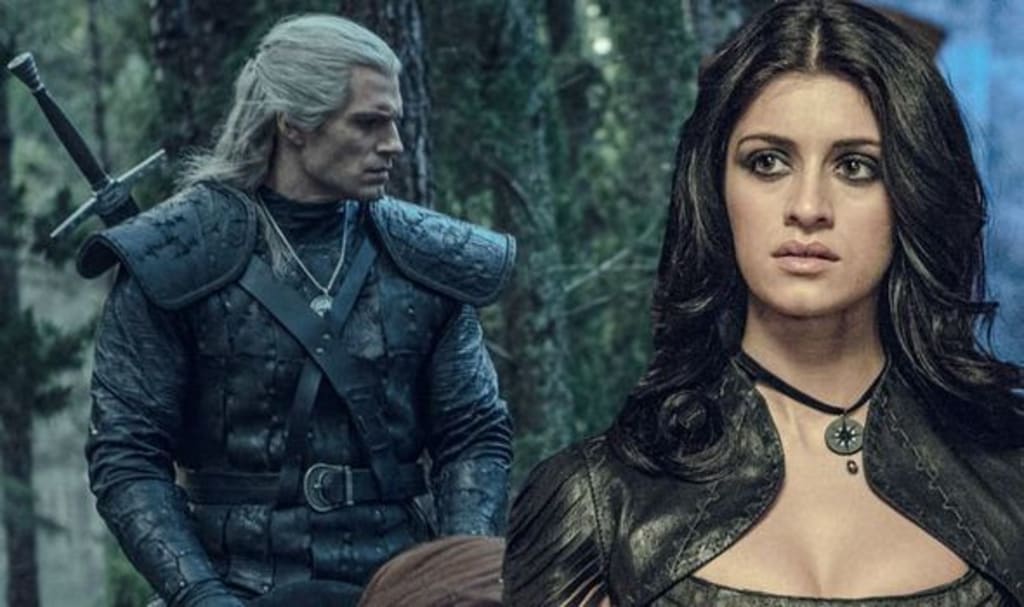
The world of The Witcher, a beloved fantasy series, brimmed with magic, mystery, and monsters. Fans eagerly anticipated the release of its third season, hopeful for another thrilling adventure in the land of Geralt of Rivia. However, as the season unfolded, it became apparent that it was a tale of both enchantment and exasperation.
The third season of The Witcher sought to delve deeper into the intricate web of character arcs and plotlines. It promised a richer exploration of Geralt's past, the complex relationship between Yennefer and Ciri, and the ever-expanding universe filled with supernatural creatures. The stage was set for an epic continuation of the saga, but the execution left fans divided.
The season's first few episodes gripped audiences with their breathtaking visuals and intense action sequences. Geralt's swordsmanship was on full display as he battled monstrous beasts, and the chemistry between characters crackled, drawing viewers deeper into the story. However, as the season progressed, cracks began to emerge.
One of the main sources of frustration stemmed from the pacing. The storylines seemed to sprawl in multiple directions, making it difficult to maintain a cohesive narrative. While some episodes provided exhilarating moments, others felt like filler, lacking the depth and substance that fans had come to expect. The constant shifting between timelines, though an integral part of The Witcher's narrative structure, often left viewers confused and disconnected from the emotional core of the story.
Additionally, the character development, a hallmark of the series, felt inconsistent. Geralt's internal struggles were explored in depth, providing moments of vulnerability and introspection. However, supporting characters like Yennefer and Ciri, who possessed tremendous potential for growth, were sidelined at times, leaving their arcs feeling underdeveloped and unsatisfying.
The season's saving grace lay in the performances of its talented cast. Henry Cavill's portrayal of Geralt continued to impress, capturing the essence of the stoic yet compassionate monster hunter. Anya Chalotra's Yennefer shone whenever given the opportunity, her magnetic presence adding depth to the character. Freya Allan's Ciri, though hindered by uneven writing, showcased moments of resilience and determination that hinted at a promising future.
Despite its flaws, The Witcher's third season boasted moments of brilliance. The intricacies of the Continent's politics and the delicate balance between humans and supernatural beings were explored with depth and nuance. The visually stunning landscapes and intricate costume designs transported viewers into a world of enchantment, captivating their imaginations.
The season's standout episode, "The Last Wish," showcased the series at its finest. Geralt's encounter with the Djinn, intertwined with flashbacks and emotional revelations, offered a captivating blend of action, romance, and character growth. It was a testament to what The Witcher was capable of when it struck the right balance between narrative depth and visual splendor.
As the season finale approached, fans hoped for a satisfying resolution to the various plot threads. However, what transpired was a mixed bag. While some storylines found resolution and delivered powerful moments, others were left hanging, frustratingly unresolved or abruptly concluded.
Despite the frustrations, fans remained dedicated to The Witcher, dissecting every episode and engaging in passionate discussions. The series had built a loyal following, deeply invested in the world and its characters. They yearned for the showrunners to recapture the magic and recapture the tight storytelling that had made the first season so compelling.
In the aftermath of the third season, the show's creators faced a pivotal crossroads. They acknowledged the criticisms and frustrations voiced by fans and critics alike. They realized the need to reevaluate their approach, to strike a better balance between grandeur and coherence in future seasons.
Determined to regain the trust of their audience, the showrunners embarked on a new journey. They listened to the feedback, took notes from the successes and failures of the third season, and committed themselves to deliver a fourth season that would exceed expectations.
Months of behind-the-scenes work ensued, with meticulous planning, script revisions, and discussions with the cast and crew. The showrunners understood the immense responsibility they carried in crafting a story that would captivate and satisfy the devoted fans of The Witcher.
As news of a renewed commitment to quality spread, fans cautiously held onto hope. The Witcher had proven itself capable of delivering moments of brilliance and capturing the essence of its source material. The audience craved a return to form, a season that would juggle fun and frustration with finesse, giving rise to a truly immersive and unforgettable experience.
In the end, the third season of The Witcher served as a catalyst for change. It highlighted the importance of storytelling, character development, and coherent narrative arcs. It pushed the show's creators to strive for greatness, inspiring them to refine their craft and fulfill the potential that lay within their grasp.
As fans eagerly awaited the fourth season, they braced themselves for another exhilarating and unpredictable adventure. The Witcher had faced its share of trials, but like the resilient characters that inhabited its world, it was poised to rise above the challenges, embracing the lessons learned and forging a path toward redemption.
The Witcher, a fantasy series beloved by fans worldwide, found itself at a critical juncture after its turbulent third season. The show had dazzled audiences with its rich lore, complex characters, and gripping storytelling, but had stumbled in its execution, leaving many fans frustrated. However, with the fourth season on the horizon, the creators of The Witcher were determined to reclaim their former glory and deliver an unforgettable viewing experience.
As news of the show's redemption efforts spread, anticipation reached a fever pitch. Fans yearned for a return to the essence that had made The Witcher so captivating—the intricate character dynamics, epic battles, and moral dilemmas that had defined the series.
The show's creators embraced the challenge, immersing themselves in a meticulous process of reevaluation and course correction. They acknowledged the shortcomings of the third season, taking notes from fan feedback and critics' reviews. With humility and determination, they set out to reignite the flame of The Witcher and recapture the hearts of their loyal audience.
Key to the show's redemption was a renewed focus on storytelling. The fourth season's scripts were crafted with meticulous care, weaving together intricate plotlines that seamlessly intertwined. The creators sought to strike a balance between character-driven narratives and thrilling action, ensuring that each episode held a sense of purpose and emotional resonance.
Character development became a top priority. The show's creators recognized that the strength of The Witcher lay in the complexity and growth of its beloved characters. Geralt of Rivia, Yennefer, and Ciri were given room to flourish, their arcs exploring themes of identity, sacrifice, and the blurred line between good and evil. No longer overshadowed, supporting characters received their due, with arcs that added depth and richness to the narrative tapestry.
The fourth season of The Witcher also saw a concerted effort to address pacing issues that had plagued its predecessor. The narrative threads were woven together with precision, ensuring a more cohesive and engaging viewing experience. Flashbacks, while still present, were used sparingly and purposefully, enhancing rather than detracting from the overarching story.
In their pursuit of redemption, the show's creators also embraced the constructive criticism around visual effects. The fourth season was marked by a renewed commitment to practical effects, breathtaking cinematography, and meticulous attention to detail. From awe-inspiring battles to the eerie ambiance of fantastical realms, the visuals transported viewers into a world where magic and danger coexisted.
The casting remained a strong point, with the talented ensemble fully embodying their characters. Henry Cavill's Geralt of Rivia continued to impress, capturing the stoic demeanor and fierce determination of the Witcher. Anya Chalotra's Yennefer and Freya Allan's Ciri blossomed, their performances infused with nuance and emotional depth. The chemistry between the actors forged a powerful connection on screen, adding authenticity to the intricate relationships portrayed.
As the fourth season of The Witcher unfolded, fans were thrilled to find themselves captivated once again. The show struck a harmonious balance, deftly juggling fun and frustration to create a compelling narrative that reignited their passion. Episodes flowed seamlessly, offering a steady stream of suspense, character development, and heart-pounding action.
Notably, the season's finale was a triumph, leaving viewers breathless with its emotional impact and thrilling twists. It delivered satisfying resolutions while paving the way for future adventures. The Witcher had rediscovered its footing, leaving fans eagerly anticipating what lay ahead.
The redemption of The Witcher went beyond the confines of the series itself. It served as a reminder of the power of self-reflection, growth, and the willingness to learn from past mistakes. The creators' dedication to their craft and their commitment to delivering a story worthy of its source material earned the respect and admiration of fans worldwide.
As the credits rolled on the fourth season, fans celebrated the resurrection of The Witcher, a testament to the enduring nature of a beloved series. The show's redemption was a journey that paralleled the trials and triumphs of its characters—a testament to the power of perseverance, the pursuit of excellence, and the enduring bond between storytellers and their audience.
The Witcher had emerged from the ashes, rekindling the flame of its narrative prowess and reclaiming its place among the pantheon of beloved fantasy sagas. With a renewed sense of purpose and a world of possibilities awaiting, The Witcher stood ready to embark on new adventures, captivating audiences once more with its magic, mystery, and unyielding spirit.
About the Creator
Keep reading
More stories from DHIRAJ KUMAR and writers in Poets and other communities.
Challenging Equality: The Supreme Court's Ruling on Affirmative Action
It was a day of great anticipation and heated discussions as the Supreme Court prepared to deliver its landmark ruling on affirmative action in college admissions. The nation held its breath, knowing that this decision would have far-reaching implications for the future of higher education and the pursuit of equal opportunities.
By DHIRAJ KUMAR3 years ago in Education
Why Didn't Anyone Tell Us
Men, move along. This is not for you. This is for the women. I was forty-five when I began menopause. It is pretty young for that to be going on in a woman’s life, but I had undiagnosed PCOS, my entire life. Thank you to all the gynecologists I had seen my entire life. That in itself should encourage women to keep seeking second opinions, especially when you are not getting correct answers or any at all.
By Alexandra Grant4 days ago in Humans


Comments
There are no comments for this story
Be the first to respond and start the conversation.