
The Tragic Love Story of Qays and Layla
True story

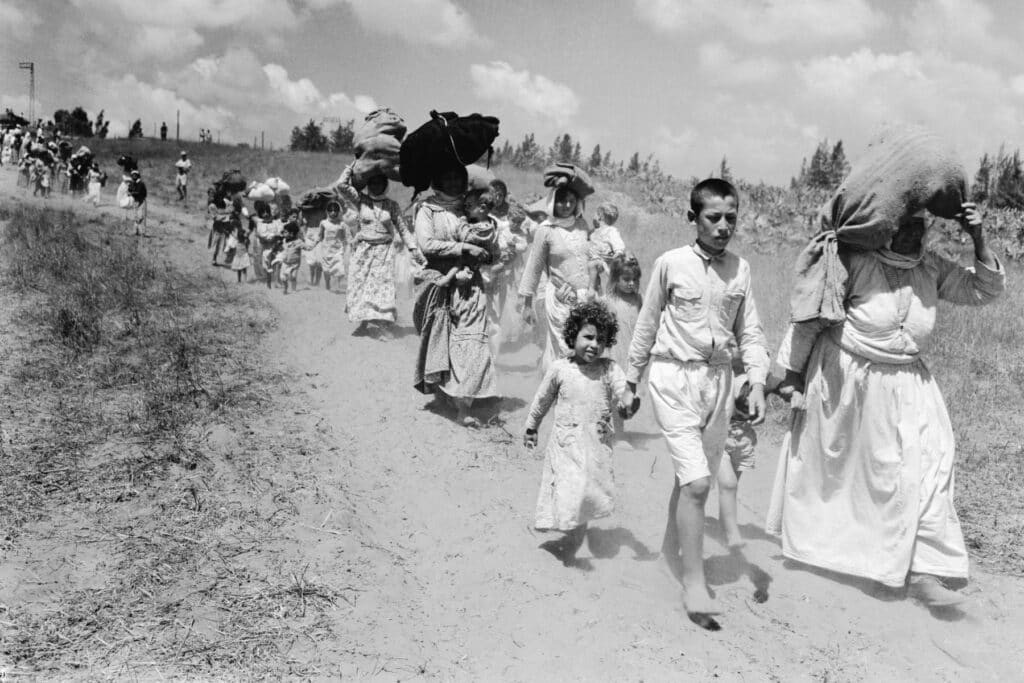
The Tragic Love Story of Qays and Layla
True story
Long ago, in the deserts of Arabia, in the tribe of Banu ‘Amir, two children were born: Qays ibn al-Mulawwah** and his cousin Layla al-‘Amiriyyah**. From the moment they could walk, they played together among the tents of their tribe, chasing each other across the sands, sharing laughter, and forming a bond that grew stronger with every passing year.
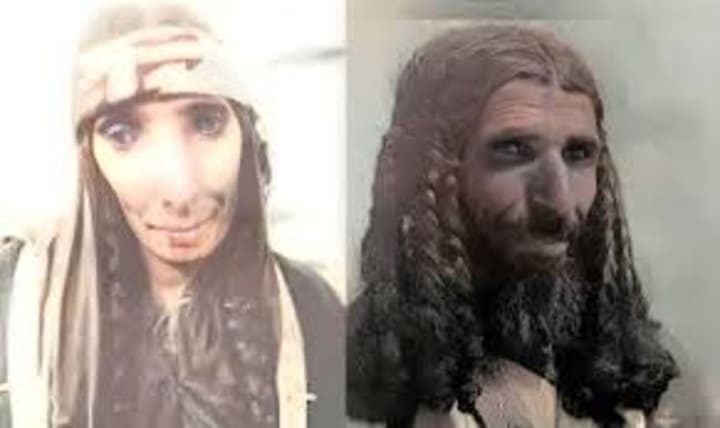
What began as innocent childhood friendship soon blossomed into a love so deep that neither could hide it. Qays’s heart belonged entirely to Layla, and Layla’s soul was bound to his. By the time they reached youth, their affection was no longer a secret—it was a passion visible in their eyes, in their silence, and in the way their names echoed together among the people.
The Birth of Majnunـــــــ
Qays was a gifted poet. As his love for Layla consumed him, he began to pour his heart into verses, speaking her name openly in poetry. His lines became famous across the desert, carried from one camp to another, and with them spread the tale of his longing.
He once wrote:
“I pass by the walls of Layla’s home,
I kiss this wall and that wall in turn.
It is not love of the walls that has smitten my heart,
But the love of the one who dwells within.”
But in a society where honor and reputation were everything, his public passion was seen as shameful for Layla’s family. Her father, fearing scandal, rejected Qays’s request to marry her, despite the deep love they shared. Instead,

she was married off to another man, Ibn Salam.
From that moment, Qays’s life unraveled. His obsession with Layla became so overwhelming that people called him Majnun Layla
the madman of Layla*.
The Madness of Love
When Qays learned of Layla’s marriage, he was shattered. He left his tribe and wandered into the wilderness, consumed by sorrow. Alone among the dunes and mountains, he composed poems of love and despair, reciting them to the winds, to the animals, and to the empty sky.
He became a shadow of his former self, gaunt and wild-eyed, surviving only on the hope of seeing Layla again. People would sometimes find him scribbling her name on rocks, or speaking to the stars as though they carried her voice.
One tale tells of a bitter encounter: the morning after Layla’s wedding, Qays met her husband sitting by the fire with her, warming themselves after their first night together. Qays, trembling with jealousy, asked, “Did you sleep with her last night?”
The husband answered, “Yes.”
“Did you kiss her lips?” Qays whispered.
“Yes,” came the reply.
At that moment, unable to bear the torment, Qays reached into the fire, seized a burning coal in his bare hand, and held it tightly until his skin burned and the blood ran down. “Now my hand burns,” he said, “but not as fiercely as my heart.”
The Death of Layla
Though she was married, Layla never forgot Qays. She lived outwardly with her husband, but inwardly her heart remained chained to her first love. The weight of longing and sorrow wore her down until illness claimed her life.
When news of Layla’s death reached Qays, it struck him like a final dagger. He rushed to her grave, collapsed beside it, and refused to leave. Day after day he remained there, reciting poems of grief and
devotion, his body wasting away as his soul followed hers.
One final poem is attributed to him:

“If I die of love, lay me at her grave,
That my soul may live where her body lies.
And if the winds pass over me there,
They will carry her scent to the skies.”
Not long after, Qays was found dead at her resting place. He had breathed his last beside the woman he loved, as if the earth itself had taken pity on his pain and allowed him to join her in eternal peace.
A Love Immortal
Thus ended the lives of Qays and Layla, yet their story lived on. For centuries, poets, writers, and lovers have retold the tale of *Layla and Majnun*—a symbol of pure, unfulfilled love, passion beyond reason, and devotion that endures even unto death.
Their names became eternal, not because they were united in life, but because they could never be. Their love, unconsummated and tragic, has remained one of the most famous romances in Arabic, Persian, and world literature.
About the Creator
America today
Breaking news, political insights, real-time analysis, U.S. politics, global politics, elections, government policies, international relations, diplomacy, political debates, trending political stories, expert commentary, factual reporting,.
Keep reading
More stories from America today and writers in Poets and other communities.
A Dart at Dusk
Seconds ago, the sullen sun set on the two of us… my exuberant furry companion and me. A fresh breeze embraces us, delivering welcome relief from the day’s oppressive heat. His typical stumbling and staggering along — apace with a sloth — has turned into trip-trapping, high-stepping, almost skipping along.
By Angie the Archivist 📚🪶5 days ago in Petlife


Comments
There are no comments for this story
Be the first to respond and start the conversation.