
The Saint of Simplicity
The Voice of Peace and Poetry from the Valleys of Peshawar

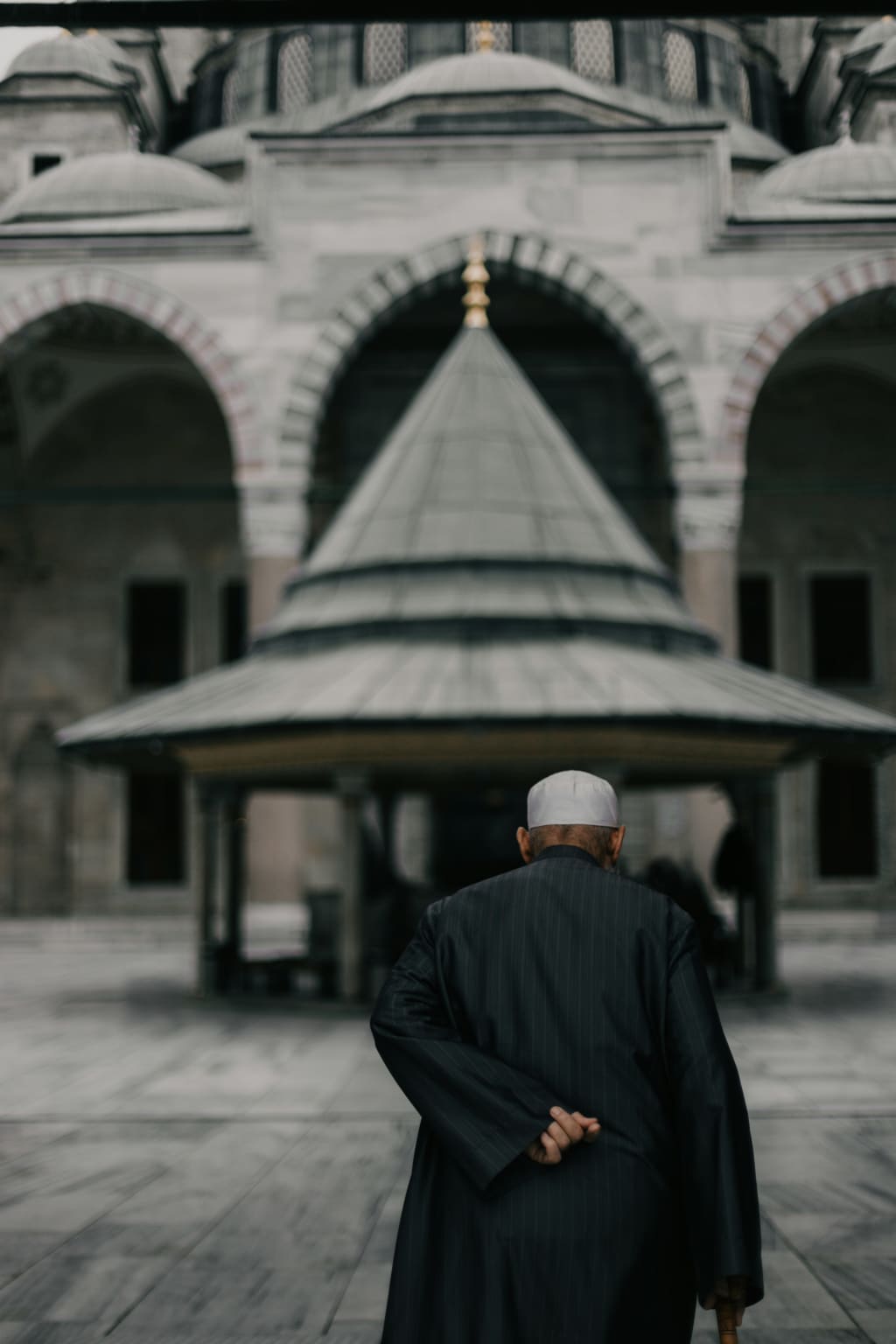
In the rugged mountains and lush valleys of 17th-century Peshawar, amidst political unrest and tribal feuds, lived a man whose words carried more power than any sword. Abdur Rahman Baba, affectionately known as Rahman Baba, was a mystic, a poet, and a man of peace whose verses still echo through time, offering solace, wisdom, and beauty to all who read them.
Rahman Baba was born in 1653 into a well-respected family in Bahadur Khel, near Peshawar, in what is now modern-day Pakistan. Although his family was connected to the Afghan aristocracy, Rahman chose a life far removed from politics and wealth. Instead, he dedicated himself to spiritual reflection, writing, and serving humanity through the power of his pen.
From a young age, Rahman showed signs of a deep, introspective mind. He was drawn to nature, to silence, and to the mysteries of existence. While others pursued material success, Rahman wandered the countryside, listening to the wind, observing the stars, and meditating on the divine. He received traditional education in religious studies, Persian, and Arabic, but it was in the Pashto language that he would leave his most lasting legacy.
In a time of conflict between empires—Mughals, Safavids, and Afghan tribal powers—Rahman Baba refused to take sides. His poetry transcended political lines and instead focused on spiritual purity, humility, love, and nonviolence. He believed that the path to God did not lie in outward rituals or religious pride but in inner transformation and kindness to others.
His verses, simple in language but rich in meaning, reached deep into the soul of the common people. They spoke of everyday life, of love and heartbreak, of greed and generosity, and of the eternal journey toward the Divine. In one of his most famous couplets, he writes:
"I am not a man of violence or war;
My pen is my sword, and peace is my cause."
Rahman Baba’s words were not just poetic; they were revolutionary in spirit. At a time when poetry often glorified kings and conquests, he chose to glorify humility, patience, and surrender to the will of God. His Sufi beliefs taught him that the heart was the true mosque, and love was the only religion worth practicing.
Though Rahman Baba lived a modest and quiet life, his fame spread quickly across the region. People from all walks of life—farmers, scholars, soldiers, and merchants—came to hear him speak or to recite his poetry. Unlike other poets of his era, he never sought a royal court or patronage. His spiritual independence was part of his strength and charm.
His only known collection of poetry, Diwan-e-Rahman, continues to be one of the most widely read books in Pashto literature. It has been translated into many languages and is recited in schools, mosques, and gatherings even today. In his verses, Rahman speaks not only to his own time but to every human soul, across ages and cultures.
Despite his growing influence, Rahman Baba remained humble to the end of his life. He lived simply, wore modest clothes, and refused any form of luxury. He is said to have lived in a small hut near the outskirts of Peshawar, surrounded by nature. He passed away in 1715, leaving behind a treasure of words and wisdom.
His shrine, located in Peshawar, has become a place of pilgrimage—not only for the religious but for lovers of poetry and peace. Every year, thousands gather to pay their respects and celebrate his legacy. The annual Urs festival held in his memory includes recitations, music, and reflection on his teachings.
Rahman Baba’s life teaches us that true greatness lies not in power or wealth, but in the ability to touch hearts and inspire goodness. He lived at a time when the world needed voices of unity, and he gave his voice without fear. He did not shout, but whispered truths that still resound centuries later.
In our modern world, where divisions and noise often drown out peace, Rahman Baba’s words offer a quiet light—a reminder that within each of us is the capacity for love, simplicity, and spiritual beauty.
As he wrote:
"Though my body lies in dust, my words shall remain,
Lighting hearts like lanterns in the darkening rain."
Rahman Baba was not just a poet. He was a healer, a sage, and a humble servant of truth. His life remains an eternal poem—one that the world still needs to read.
About the Creator
Muhammad ali
i write every story has a heartbeat
Every article starts with a story. I follow the thread and write what matters.
I write story-driven articles that cut through the noise. Clear. Sharp truths. No fluff.
Keep reading
More stories from Muhammad ali and writers in Poets and other communities.
The Impact of Music on Mental Health
In every culture, across every generation, music has played a vital role. From tribal chants to modern pop, from heartbreak ballads to soothing instrumentals, music doesn’t just entertain—it connects, transforms, and heals. In recent years, science has caught up with what humans have known for centuries: music has a profound impact on mental health.
By Muhammad ali6 months ago in Motivation
How to Succeed at the Benson Directory®
Congratulations and welcome to the Benson Directory® employee #22391! As our newest call handler, you will have the privilege of speaking with dozens of unique and interesting people on a daily basis as well as the opportunity to earn bonuses for high performance. Contained within this handbook you will find a set of ease to follow instructions designed to help you settle in to your new role and begin paving the way to success.
By S. A. Crawforda day ago in Fiction



Comments
There are no comments for this story
Be the first to respond and start the conversation.