
The Eternal Struggle of the Human Spirit
Navigating the Balance Between Freedom and Confinement

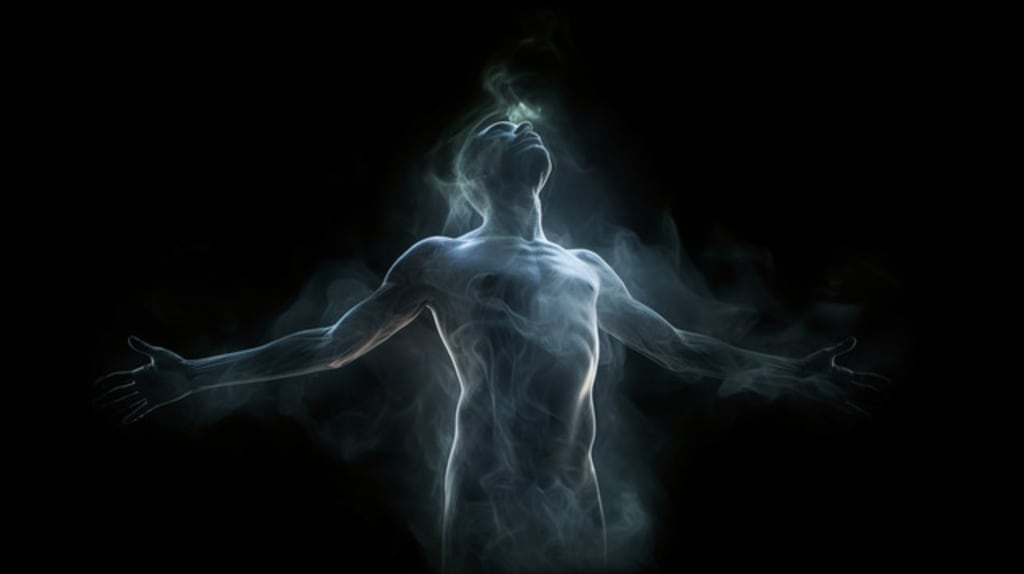
Throughout human history, the tension between freedom and confinement has shaped societies, ideologies, and personal lives. Whether we look at political revolutions, social movements, or individual stories of triumph and despair, the battle between these two forces is ever-present. Freedom and confinement are not just physical states; they encompass mental, emotional, and existential realms, influencing how we experience life and interpret the world around us.
The Nature of Freedom
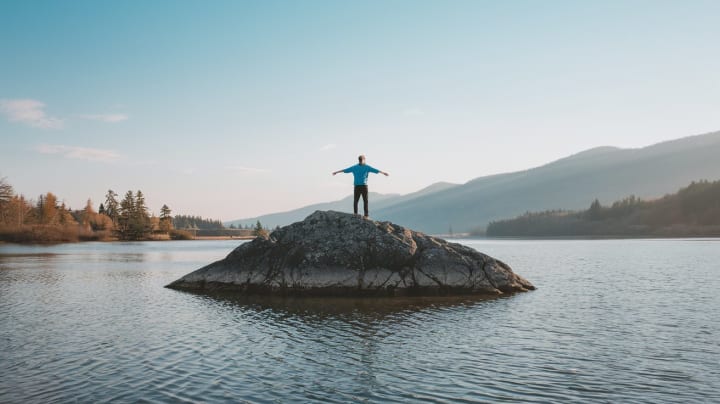
Freedom is one of humanity's most cherished ideals. It represents autonomy, the ability to act according to one’s own will, and the absence of external constraints. Political freedom, for example, ensures the right to speak, think, and live without oppression, while personal freedom allows individuals to pursue their passions, make choices, and express their identities.
Yet, freedom is not absolute. It often comes with responsibilities, compromises, and consequences. True freedom requires the maturity to recognize how one’s actions affect others and the world. It also demands courage, as many who strive for freedom must face great sacrifices—whether fighting against oppressive regimes, challenging societal norms, or confronting internal limitations.
Forms of Confinement
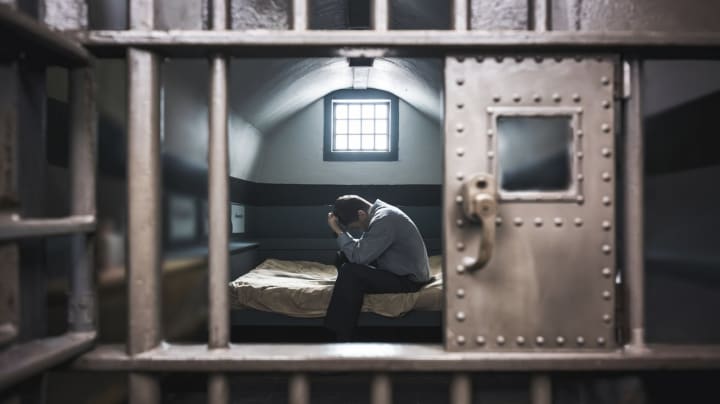
Confinement, in contrast, is the restriction of movement, thought, or action. It can be literal, as seen in prisons or oppressive political systems, or it can be metaphorical, manifesting as mental and emotional barriers. Confinement is not always imposed from outside forces; often, it arises from within.
Physical confinement: Prisons are the most obvious examples of confinement. But confinement can also exist in everyday life, through societal structures that limit opportunities based on race, class, gender, or nationality.Mental confinement: Limiting beliefs, fears, and anxieties can confine the mind just as much as walls can confine the body. This type of confinement stems from internalized expectations or trauma that keeps individuals trapped in cycles of doubt, fear, or resignation.
-Emotional confinement: People can be emotionally confined by toxic relationships, unresolved grief, or a lack of self-awareness. These emotional constraints prevent individuals from experiencing the full spectrum of life and connection with others.
Freedom and Confinement in Society
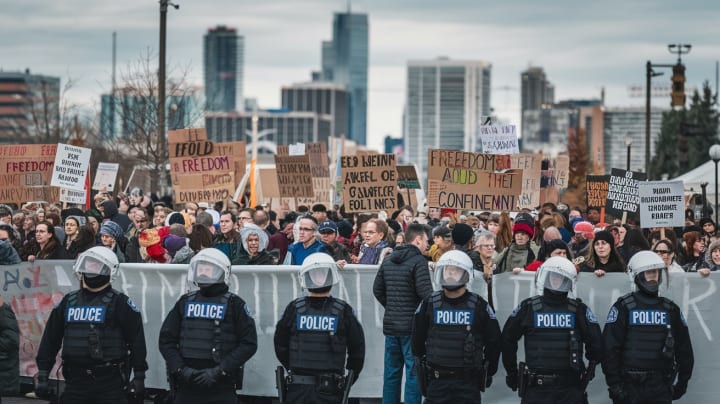
At the societal level, the tension between freedom and confinement is played out in laws, norms, and ideologies. In democratic societies, freedom is a fundamental right, with governments designed to protect individual liberties. However, even in such societies, there are always debates over the limits of freedom—whether it be freedom of speech, freedom of movement, or the rights of marginalized groups.
Confinement in society often occurs through systems of control, such as legal restrictions, economic inequality, or cultural norms that define what is acceptable and what is not. For instance, laws designed to maintain public order may restrict certain behaviors, leading to questions about the balance between collective security and individual freedom. Likewise, capitalism can provide economic freedom for some while confining others to cycles of poverty and limited opportunity.
The Paradox of Freedom and Confinement
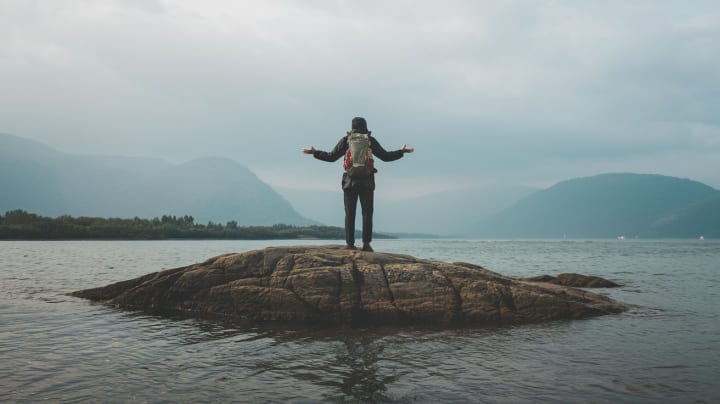

Interestingly, freedom and confinement are not always opposites. The two can coexist in ways that are not immediately apparent. Some individuals find a sense of freedom within confinement, discovering strength and creativity within their limitations. Conversely, too much freedom without structure or purpose can lead to feelings of aimlessness or anxiety—a kind of self-imposed confinement.
Freedom within confinement: Many prisoners, for example, have found ways to expand their inner lives through education, spiritual growth, or creative expression. Nelson Mandela, who spent 27 years in prison, emerged as a symbol of freedom for South Africa, having used his time in confinement to strengthen his resolve and vision for a democratic nation.
Confinement within freedom: On the other hand, people living in free societies may feel confined by expectations or the pressures of modern life. With the overwhelming array of choices and responsibilities, freedom can sometimes become paralyzing, leading to a feeling of entrapment within an abundance of opportunities.
Personal Freedom and Confinement

On an individual level, the struggle between freedom and confinement often defines personal growth. People grapple with this tension throughout their lives, whether in relationships, careers, or personal development. The desire for freedom pushes individuals to take risks, break boundaries, and pursue their dreams. But in doing so, they often encounter barriers, both external and internal, that confine their progress.
Personal freedom is also shaped by how people define their own boundaries. Some individuals seek freedom in solitude, distancing themselves from societal expectations, while others find freedom in commitment, dedicating themselves to causes, people, or creative pursuits.
The Role of Confinement in Growth
Interestingly, confinement often plays a key role in personal growth. While it may seem counterintuitive, periods of restriction, whether imposed by circumstance or choice, can lead to profound transformations. Times of confinement force individuals to confront themselves, reflect on their limitations, and find new paths forward. For example, many artists, writers, and thinkers have produced their greatest works during times of personal hardship or isolation.This speaks to the idea that freedom is not simply about escaping confinement, but rather about learning how to navigate limitations in a way that leads to greater understanding and fulfillment.
The battle between freedom and confinement is central to the human experience. Whether on a societal level or in personal journeys, we constantly navigate the tension between these two forces. While freedom is an essential human desire, confinement often provides the structure or challenge necessary for growth. True liberation, then, may lie in our ability to balance both—recognizing the value of freedom while also finding meaning within the constraints we face.
Ultimately, the interplay between freedom and confinement reflects the complexity of life. Each pushes the other, challenging us to find our own sense of liberation while navigating the realities of our limitations.
About the Creator
Jassica
I am Jassica! is a passionate article writer with a focus on literature, storytelling, and creative writing. Known for insightful analyses and clear, compelling writing, Jassica brings imagination and depth to every article



Comments
There are no comments for this story
Be the first to respond and start the conversation.