
The Body Remembers
What the mind tries to outrun
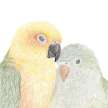

The body remembers what the mind tries to outrun. It remembers every storm, every rupture, every season of survival you forced yourself through. It remembers the nights you held yourself together with nothing but breath and grit. It remembers the mornings you rose anyway, even when rising felt like lifting a collapsed building off your own chest. The body keeps its own archive, written in muscle, breath, pulse, and instinct. Long after the mind rewrites the story, the body still carries the original draft.
You feel it in the small things first. The way your shoulders tense when someone raises their voice, even if they’re not speaking to you. The way your breath shortens when a door closes too quickly. The way your spine straightens when you sense a shift in someone’s tone. These are not overreactions. They are memories. They are the body recognizing patterns before the mind has time to translate them. They are the echoes of old storms, still vibrating in the bones.
The body remembers the manic lift too—the electric surge that once felt like salvation. The way your chest expanded as if you could swallow the sky. The way your thoughts raced ahead of your breath. The way your hands moved faster than your intentions. The body remembers the rush, the brightness, the illusion of invincibility. It remembers how quickly the air thinned. It remembers the crash that followed. It remembers the cost.
And it remembers the heaviness—the depressive gravity that pulled you under without warning. The way your limbs turned to stone. The way your breath thickened. The way the world dimmed at the edges. The body remembers the weight of those days, the density of that silence, the effort it took just to exist. It remembers the exhaustion that lived in your bones long after the episode passed.
But the body also remembers the moments of truth.
The first wingbeat.
The first boundary.
The first time you said no and meant it.
The first time you chose yourself without apology.
The first time you rose without asking for permission.
These memories live differently. They settle deeper. They become part of your internal architecture. They become the scaffolding you build your life around. They become the instinct that tells you when something is wrong, when something is right, when something is yours, when something is not.
The body remembers the air.
It remembers altitude.
It remembers the clarity that comes from distance.
It remembers the way your lungs opened when you finally stopped shrinking.
It remembers the strength it took to rise and the strength it takes to stay.
And when you forget—when the world pulls at you, when old patterns whisper, when familiar gravity tries to reclaim you—the body is the first to alert you. A tightening in the chest. A tremor in the hands. A sudden fatigue. A surge of restlessness. These are not symptoms. They are signals. They are the body saying: We’ve been here before. We know this terrain. We know what it costs.
The body remembers so you don’t have to repeat the past.
It remembers so you can choose differently.
It remembers so you can rise again without losing yourself.
And slowly, as you build a life that fits the truth of who you are, the body begins to learn new memories. Safety. Stillness. Breath that doesn’t hurt. Rest that doesn’t feel like failure. Movement that isn’t escape. The body learns, slowly but surely, that not every quiet is a threat. Not every shift is a storm. Not every silence is a warning.
The body remembers the pain, yes.
But it also remembers the becoming.
And it holds both without letting either define you.
About the Creator
Elisa Wontorcik
Artist, writer, and ritual-maker reclaiming voice through chaos and creation. Founder of Embrace the Chaos Creations, I craft prose, collage, and testimony that honor survivors, motherhood, and mythic renewal.
Keep reading
More stories from Elisa Wontorcik and writers in Poets and other communities.
You do it because you have to
There comes a point in every ascent when you realize not everyone is meant to rise with you. It is not cruelty. It is not abandonment. It is simply the truth of altitude: some people cannot breathe where you are going. Some people cannot tolerate the clarity you’ve earned. Some people cannot follow you into a life that no longer requires your disappearance.
By Elisa Wontorcik2 months ago in Poets
Boundless
A geographical map could take you there. To the places I've been, to the sights I've seen, to the landscapes I've climbed. But no compass could point you in the direction of my memories. To the experiences I've lived, to the happiness I've felt, to the wonder I've held so close to my heart.
By Alyssa Musso3 days ago in Writers


Comments
There are no comments for this story
Be the first to respond and start the conversation.