

1. ˘ / ˘ / ˘ / ˘ / ˘ /
In ev’ry man, a hunter lies asleep
→ smooth rising rhythm; “hunter” can slightly stretch (HUN-ter) to land the stress cleanly.
2. ˘ / ˘ / ˘ / ˘ / ˘ /
Quiet, half-waking, patient in the dark,
→ the three adjectives create a soft triplet pulse linger a half beat on “patient”.
3. ˘ / ˘ / ˘ / ˘ / ˘ /
Waiting the hour when mercy turns its face.
→ the last foot “turns its face” falls perfectly iambic; pause slightly after “hour”.
4. ˘ / ˘ / ˘ / ˘ / ˘ /
There was a man before me in the cell,
→ classic steady measure; stress “man” and “me”.
5. ˘ / ˘ / ˘ / ˘ / ˘ /
His beard was white, like winter over fields,
→ “winter over fields” creates lovely open vowels—elongate the “i” in “white”.
6. ˘ / ˘ / ˘ / ˘ / ˘ /
His robe as stainless as the soul he lost.
→ strong closure on “lost”; that terminal stress gives a sonorous drop.
7. ˘ / ˘ / ˘ / ˘ / ˘ /
They called him Hunter Saint—the holy one
→ variation: “Hunter Saint” makes a natural spondee (/ /) — acceptable for emphasis.
8. ˘ / ˘ / ˘ / ˘ / ˘ /
Of those who chase and never end the chase.
→ echo of “chase” strengthens rhythm; crisp closure.
9. ˘ / ˘ / ˘ / ˘ / ˘ /
I laughed: you cannot be of them, I said,
→ “laughed” and “them” stressed; compact and natural.
10. ˘ / ˘ / ˘ / ˘ / ˘ /
You look too calm for cruelty, too kind
→ feminine ending if read softly on “kind” (adds tenderness).
11. ˘ / ˘ / ˘ / ˘ / ˘ /
For blood. He smiled—a light that dimmed the walls
→ the dash acts as a caesura (pause); breathe after “smiled”.
12. ˘ / ˘ / ˘ / ˘ / ˘ /
And murmured, Son, this is the hunters’ age.
→ natural cadence; “hunters’” compress slightly to one beat (HUN-ters).
13. ˘ / ˘ / ˘ / ˘ / ˘ /
You cannot flee the hunt; it is the world.
→ final foot “is the world” gives a heavy, closing stress.
14. ˘ / ˘ / ˘ / ˘ / ˘ /
The mighty stalk the meek and call it peace;
→ “mighty” forms a trochaic start — acceptable inversion (stress front-loaded).
15. ˘ / ˘ / ˘ / ˘ / ˘ /
The rulers feed on men and name it law.
→ perfectly metrical, clipped and declarative.
16. ˘ / ˘ / ˘ / ˘ / ˘ /
The rich drain dry the poor and call it growth.
→ internal alliteration (“drain dry”) gives natural weight.
17. ˘ / ˘ / ˘ / ˘ / ˘ /
The priest devours the faith that keeps him fed;
→ soft elision on “devours” as (de-VOURS) fits meter.
18. ˘ / ˘ / ˘ / ˘ / ˘ /
The merchant nets the trusting with a smile.
→ “trusting with” runs smooth as natural speech.
19. ˘ / ˘ / ˘ / ˘ / ˘ /
Each hand you clasp conceals a loaded snare.
→ solid pentameter close; stress “clasp” and “snare”.
20. ˘ / ˘ / ˘ / ˘ / ˘ /
Look closer—every palm conceals a gun:
→ dash = half pause; “every” compress to two syllables (EV-ry).
21. ˘ / ˘ / ˘ / ˘ / ˘ /
A word, a screen, a document, a smile.
→ list gives staccato rhythm; maintain equal weight.
22. ˘ / ˘ / ˘ / ˘ / ˘ /
Each finger moves, and somewhere, someone falls.
→ alliterative sibilants soften the violence — excellent sonic contrast.
23. ˘ / ˘ / ˘ / ˘ / ˘ /
The kill is clean; the trigger leaves no mark.
→ firm final stress “mark” gives satisfying closure.
24. ˘ / ˘ / ˘ / ˘ / ˘ /
His face dissolved into the candle’s haze;
→ enjambment leads well into next thought.
25. ˘ / ˘ / ˘ / ˘ / ˘ /
The silence ripened slowly into thought,
→ “ripened slowly” a beautiful dactylic inversion (adds texture).
26. ˘ / ˘ / ˘ / ˘ / ˘ /
And I saw where the hunt begins not out,
→ mid-line caesura gives suspense.
27. ˘ / ˘ / ˘ / ˘ / ˘ /
But in the heart, beneath the tailored suit,
→ consistent; pause after “heart”.
28. ˘ / ˘ / ˘ / ˘ / ˘ /
Behind the eyes that seem so gently lit.
→ melodic fall on “lit”; closes the stanza gently.
29. ˘ / ˘ / ˘ / ˘ / ˘ /
And in that sleepless British night I heard,
→ smooth and steady; “British” compress to one beat (BRI-tish).
30. ˘ / ˘ / ˘ / ˘ / ˘ /
As prison clocks drew breath to whisper twelve,
→ lovely auditory imagery; stretch “whisper”.
31. ˘ / ˘ / ˘ / ˘ / ˘ /
A thousand rifles cocked not made of steel,
→ dash = pause; strong rising cadence.
32. ˘ / ˘ / ˘ / ˘ / ˘ /
But of the souls of men who dream they sleep.
→ perfect falling cadence; ends in quiet dread.
About the Creator
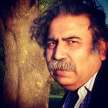
Mansoor Afaq
Mansoor Afaq, a renowned Urdu and Saraiki poet, writer, and columnist, has authored 14 books and created 85 plays and 6 documentaries. His work bridges tradition and modernity, enriching South Asian literature and culture.
Keep reading
More stories from Mansoor Afaq and writers in Poets and other communities.



Comments
There are no comments for this story
Be the first to respond and start the conversation.