
Prepare to be transported back in time to an era of unparalleled beauty and elegance.
The Magnificence of Ancient Egyptian Interior Design

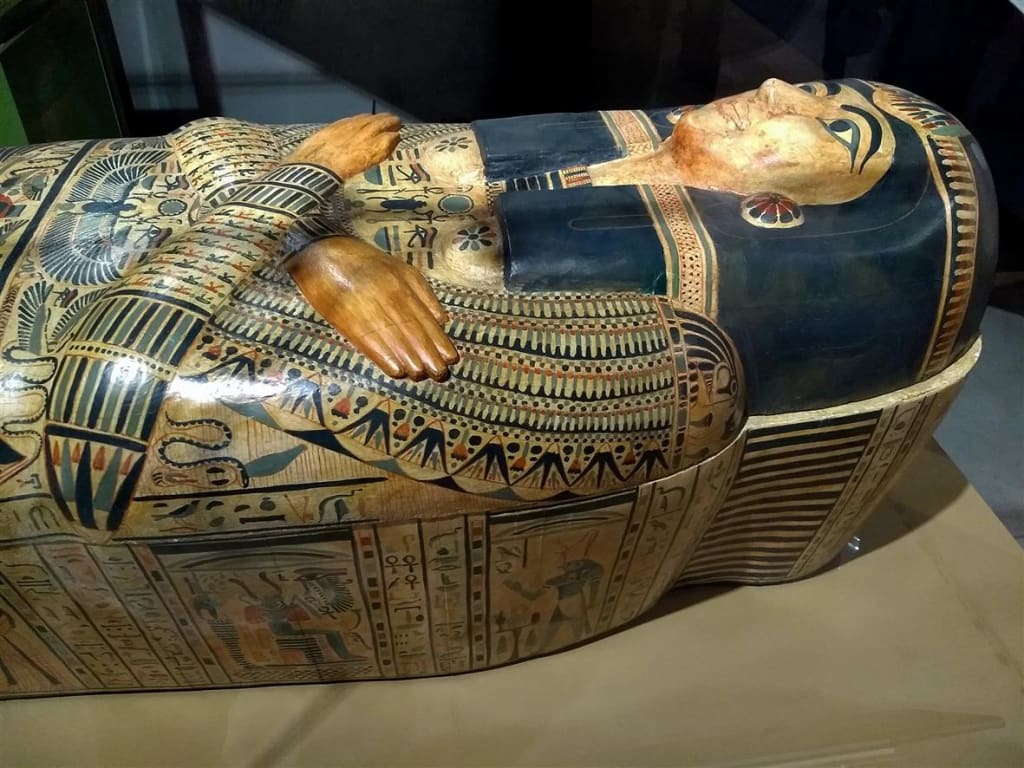
The interior design of ancient Egypt is a testament to the creativity, ingenuity, and skill of the ancient Egyptians. From the palaces and houses of prominent personalities to the temples and tombs of pharaohs and other important figures, the interior design of ancient Egypt was a reflection of the culture, beliefs, and values of its people.
Palaces and Houses
The interior design of palaces and houses inhabited by prominent personalities in ancient Egypt was characterized by luxurious materials and intricate carvings. These structures were often decorated with precious stones, gold, and other ornate materials. The design of these buildings also included a number of practical features such as cooling systems, water management systems, and ventilation.
Temples and Ceremonies
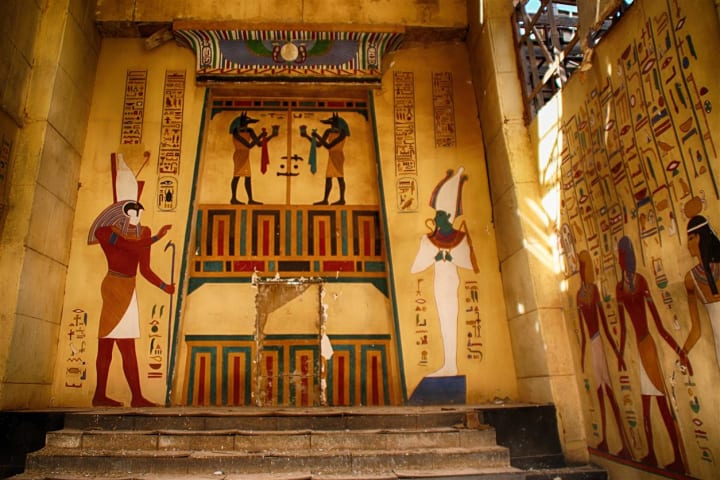
The interior design of temples in ancient Egypt was intended to create an atmosphere of awe and reverence. The interiors of these structures were decorated with images and symbols that had spiritual significance to the ancient Egyptians. The walls of temples were often adorned with hieroglyphics, which were used to convey religious and historical messages.
Drawings of Spiritual Nature
The drawings found in ancient Egyptian tombs and temples are among the most fascinating and intriguing aspects of their interior design. These drawings were created with a great deal of care and attention to detail, and often depicted scenes from ancient Egyptian mythology and religion. The drawings were also imbued with spiritual significance, as they were believed to have the power to protect the deceased in the afterlife.
Architecture of Tombs and Pyramids
The architecture of tombs and pyramids in ancient Egypt was designed to stand the test of time. These structures were built with immense skill and precision, and they remain standing to this day as a testament to the skill and ingenuity of the ancient Egyptians. The interiors of these structures were often decorated with intricate carvings, paintings, and other ornate features.
Spread of the Pyramids
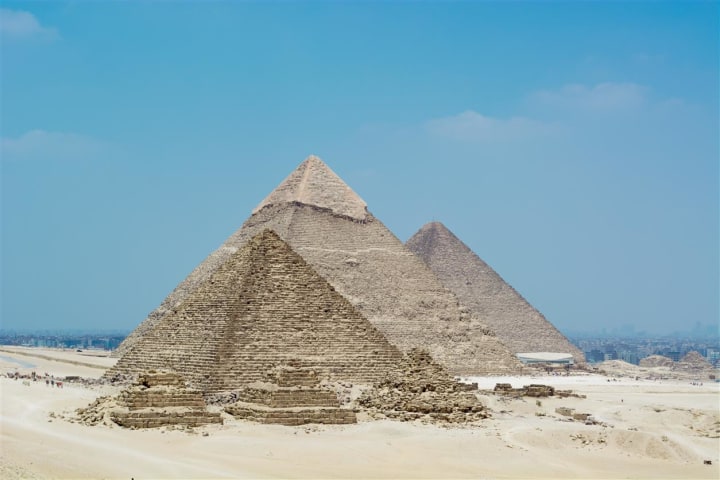
The architecture of the pyramids is one of the most remarkable achievements of ancient Egypt. The Great Pyramid of Giza is considered one of the Seven Wonders of the World and has been a source of fascination for centuries. While many people believe that the pyramids were built as tombs for pharaohs, recent scientific discoveries have challenged this notion.
Archaeologists and scientists have discovered that the pyramids were actually built as towers, not tombs. The pyramids were constructed using massive stone blocks, some weighing as much as 80 tons, that were quarried and transported from great distances. It is estimated that the Great Pyramid of Giza alone contains more than 2.3 million blocks of stone.
While the exact methods used to build the pyramids remain a mystery, it is clear that the ancient Egyptians possessed a remarkable level of engineering knowledge and skill. They used sophisticated techniques to quarry, transport, and position the massive stone blocks with incredible precision. The pyramids were also designed to align with astronomical phenomena such as the position of the sun and stars, further demonstrating the advanced knowledge of the ancient Egyptians.
Despite their impressive size and construction, the pyramids were not built as tombs for pharaohs. Recent research has shown that the pharaohs were actually buried in underground tombs, not in the pyramids themselves. This new understanding of the pyramids has led to a reexamination of their purpose and significance in ancient Egyptian culture.
One theory is that the pyramids were built as symbols of the pharaoh's power and authority. They served as monumental structures that reinforced the divine right of the pharaohs to rule over Egypt. The intricate interior designs and decorations of the pyramids also served to reinforce the pharaoh's status as a god on earth.
Another theory suggests that the pyramids were built as part of a larger religious and spiritual system. The ancient Egyptians believed in an afterlife, and the pyramids may have been built as a means of facilitating the pharaoh's journey to the afterlife.
The pyramids of ancient Egypt have also had a lasting impact on architecture and design around the world. Their impressive size and construction have inspired architects and designers for centuries, and their enduring legacy can be seen in the many buildings and structures that have been modeled after them.
the pyramids of ancient Egypt are a testament to the remarkable engineering knowledge and skill of the ancient Egyptians. While their exact purpose remains a mystery, their impressive size, construction, and intricate interior designs and decorations continue to fascinate and inspire people around the world. The recent discovery that they were not built as tombs but as towers has challenged our understanding of their significance and purpose in ancient Egyptian culture, but their enduring legacy as symbols of power and authority, and their impact on architecture and design, cannot be denied.
Conclusion
The interior design of ancient Egypt was a reflection of the culture, beliefs, and values of its people. From the luxurious palaces of prominent personalities to the awe-inspiring temples and tombs of pharaohs, the interior design of ancient Egypt continues to inspire and captivate people to this day. The pyramids, in particular, stand as a testament to the skill and ingenuity of the ancient Egyptians, and they continue to fascinate and inspire people around the world.
About the Creator
Decosmart
Architecture is the art and science of designing and constructing buildings, structures, and other physical environments that are aesthetically appealing, functional, and safe for human use.




Comments
There are no comments for this story
Be the first to respond and start the conversation.