


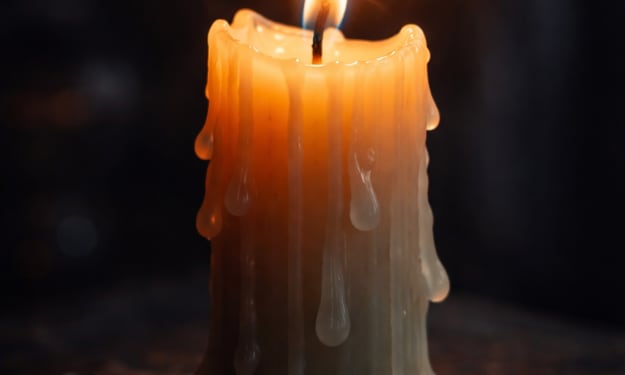
Long before printing presses, libraries, or glowing screens, people sat close to firelight and listened. In those quiet hours, stories were born. They came as whispers of gods, songs of heroes, and cautionary tales of tricksters who walked between worlds. These were not written, but spoken—carried from tongue to ear, from elder to child, from one generation to the next. Folklore became the thread of memory, and poetry, with its rhythm and rhyme, was the needle that stitched it tightly into human history.
The Music That Remembers
Poetry and folklore are bound together because both rely on sound. Long before literacy was common, rhythm made memory possible. A line repeated, a rhyme echoed, a beat struck against a drum—all ensured that a story would not be lost. The ancient Greek rhapsodes recited Homer’s epics without scripts. Celtic bards sang of battles and kings. In West Africa, griots carried entire genealogies in song, ensuring that no lineage was forgotten. Poetry was never only art; it was survival, a way to anchor stories against the erosion of time.
Folklore as a Mirror of Culture
Every culture created folklore shaped by its environment. In icy northern lands, Norse myths spoke of frost giants, wolves, and gods who battled through endless winters. In the green hills of Ireland, banshees wailed in the night, warning families of impending death. In West Africa, Anansi the spider spun webs of cleverness, tricking the strong with his wit. In Japan, the kitsune, a fox spirit, taught lessons about deception, loyalty, and transformation.
These were not mere tales; they were mirrors. They reflected what people feared, what they valued, and what they believed it meant to live well. When poetry wove itself into these stories, the folklore became more than a tale—it became a chant, a prayer, a spell to carry wisdom forward.
The Poet as Storykeeper
The poet has always been more than a writer. In ancient times, the poet was a keeper of memory, a guardian of identity, and often, a guide for the living. The griots of Africa were not just entertainers—they were libraries. The poets of Arabia recited qasidas in deserts where writing was rare, carrying history across sands. The indigenous storytellers of the Americas wove the voices of rivers, mountains, and spirits into verse, ensuring that nature itself became part of memory.
Poetry preserved folklore, but folklore gave poetry its soul. Together, they held entire civilizations in their grasp.
The Folklore Inside Us
Even if we no longer sit around firelight, folklore still shapes us. Consider the fairy tales we grew up with: Cinderella, Little Red Riding Hood, the trickster hare, or the wise tortoise. These stories, softened and retold across centuries, are fragments of folklore dressed in new clothes. The rhyme of nursery songs, the rhythm of bedtime tales, the prayers whispered in poetry—they are all remnants of an ancient practice. Each time we recite them, we unknowingly become part of the oldest human tradition: passing wisdom through rhythm and story.
The Modern Revival
In today’s world of skyscrapers, smartphones, and streaming services, one might think folklore and poetry would fade into dust. Yet, they are more alive than ever. Poets draw from myths to write about identity, resilience, and love. Folklore inspires films, novels, and even video games. A young poet in London may use the story of Persephone to describe depression and rebirth. A novelist in Nigeria may weave Anansi’s cleverness into a modern tale of justice. Myth adapts, but it never dies. Poetry is the voice that ensures those old echoes are heard in new languages.
Why They Still Matter
In a world where information travels faster than thought, poetry and folklore slow us down. They remind us that words are not disposable but powerful. A poem forces us to pause and feel. A folktale makes us imagine, reflect, and remember. They are not entertainment alone—they are anchors. They tell us who we were, who we are, and who we might yet become.
They matter because humans crave connection. Whether it is a lullaby whispered to a child, a chant shouted at a protest, or a myth retold under the stars, we hunger for meaning, and poetry and folklore feed that hunger.
A Bridge Across Time
Poetry and folklore are bridges. They span the distance between past and present, between myth and reality, between strangers across continents. A Japanese haiku can touch the soul of a reader in Brazil. An Irish legend can feel familiar to someone in India. The language may differ, but the rhythm of longing, fear, hope, and joy is the same. That is their magic—they remind us that while cultures may be different, humanity’s heart beats to the same pulse.
Final Thoughts
Poetry and folklore are not relics gathering dust; they are living traditions, breathing and evolving with each retelling. They are the song and the story, the rhyme and the myth, the memory and the dream. To listen to a poem or a folktale is to join in the oldest ritual of all—the ritual of remembering. And as long as people seek meaning in words, as long as hearts beat and voices rise, poetry and folklore will remain immortal companions in the human journey.
About the Creator
LUNA EDITH
Writer, storyteller, and lifelong learner. I share thoughts on life, creativity, and everything in between. Here to connect, inspire, and grow — one story at a time.
Keep reading
More stories from LUNA EDITH and writers in Poets and other communities.



Comments
There are no comments for this story
Be the first to respond and start the conversation.