
Langston Hughes: Voice of the Harlem Renaissance
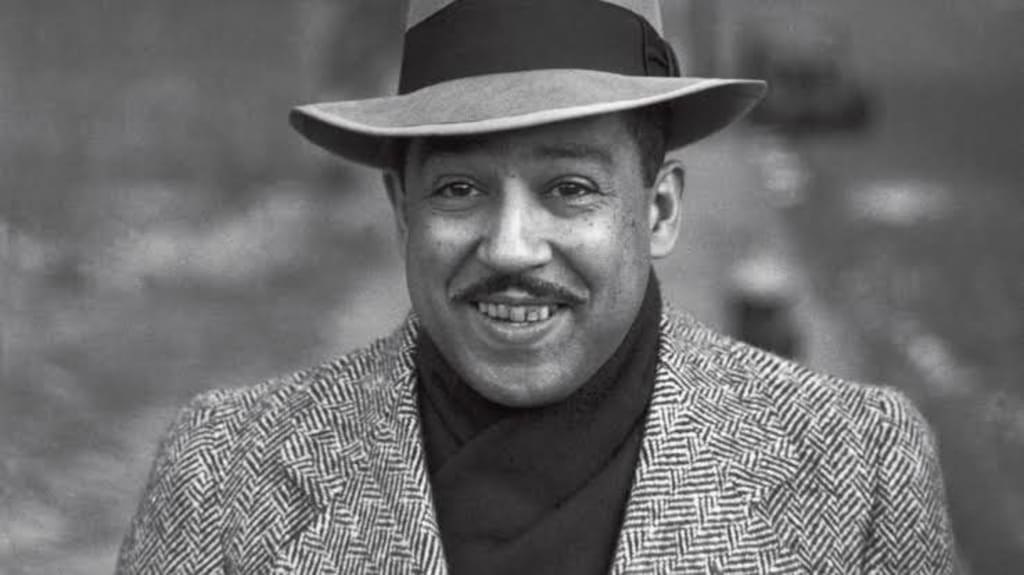
Langston Hughes (1902–1967) is one of the most celebrated American poets and a central figure of the Harlem Renaissance, a cultural movement of the 1920s and 1930s that championed African American art, music, and literature. Known for his lyrical and accessible poetry, Hughes gave voice to the struggles, joys, and aspirations of Black Americans, capturing the essence of their experiences in a way that resonated deeply with readers both during his lifetime and beyond.
Early Life and Education
James Mercer Langston Hughes was born on February 1, 1902, in Joplin, Missouri. His parents separated shortly after his birth, and he was raised primarily by his grandmother, Mary Langston, in Lawrence, Kansas. Mary instilled in Hughes a sense of racial pride and a connection to his African American heritage. After her death, Hughes lived with his mother, Carrie, moving frequently as she sought stable employment.
Hughes’s early life was marked by instability, but his love of literature provided solace. He discovered poetry at a young age, influenced by poets such as Paul Laurence Dunbar, Carl Sandburg, and Walt Whitman. His writing began to reflect his own experiences and the lives of Black Americans, drawing inspiration from their struggles and resilience.
He attended high school in Cleveland, Ohio, where he excelled academically and wrote for the school newspaper. After graduation, Hughes briefly attended Columbia University in New York City but left due to financial difficulties and dissatisfaction with the racial prejudice he encountered. During this time, he became immersed in Harlem’s vibrant cultural scene, which profoundly influenced his work.
Career and Major Works
Langston Hughes’s literary career began in earnest in 1921 when his poem “The Negro Speaks of Rivers” was published in The Crisis, the magazine of the NAACP. The poem, written when Hughes was only 17, reflects a deep connection to African and African American heritage, celebrating the strength and endurance of Black people throughout history. This work established him as a promising young poet.
Hughes’s first poetry collection, The Weary Blues (1926), solidified his reputation as a leading voice of the Harlem Renaissance. The collection includes some of his most famous poems, such as “The Weary Blues” and “I, Too.” These works combine elements of jazz and blues music with themes of racial identity, hope, and resilience. Hughes’s ability to capture the rhythms of Black music in his poetry was groundbreaking and contributed to the development of a uniquely African American literary style.
Throughout his career, Hughes wrote in a variety of genres, including poetry, fiction, drama, and essays. His notable works include:
Poetry:
Montage of a Dream Deferred (1951): A book-length poem exploring the frustrations and dreams of Black Americans in post-World War II Harlem.
Let America Be America Again: A powerful critique of the American dream, highlighting the contradictions between America’s ideals and the reality of racial inequality.
Fiction:
Not Without Laughter (1930): A semi-autobiographical novel about a young Black boy growing up in Kansas, navigating racial prejudice and family struggles.
The Simple series: A collection of humorous and satirical stories featuring Jesse B. Semple (“Simple”), a working-class Black man whose observations on race and society are both poignant and insightful.
Drama:
Mulatto (1935): A play addressing racial identity and the complexities of being biracial in the segregated South.
Black Nativity (1961): A gospel musical celebrating African American religious and cultural traditions.
Essays and Autobiographies:
The Big Sea (1940) and I Wonder as I Wander (1956): Memoirs chronicling Hughes’s life, travels, and experiences as a writer.
Themes and Style
Langston Hughes’s work is characterized by its focus on the everyday lives of Black Americans, capturing their struggles, joys, and aspirations with authenticity and empathy. He celebrated Black culture and identity, often using jazz and blues as both inspiration and structure for his poetry. This innovative approach earned him acclaim for creating a distinctively African American voice in literature.
Key themes in Hughes’s work include:
Racial Identity:
Hughes explored the complexities of being Black in America, addressing both the pain of discrimination and the pride in African American heritage. His poem “I, Too” asserts the dignity and equality of Black Americans, envisioning a future where they are fully included in the American story.
Social Justice:
Hughes was deeply committed to the fight for racial and economic equality. His work often critiques systemic racism and advocates for social change. In “Let America Be America Again,” he exposes the disparity between America’s ideals and the realities faced by marginalized groups.
The Black Experience:
Hughes’s writing captures the diversity of Black life, from rural Southern towns to urban centers like Harlem. He gives voice to the struggles and aspirations of ordinary people, celebrating their resilience and creativity.
Music and Oral Tradition:
Hughes incorporated elements of jazz, blues, and spirituals into his poetry, creating a musical quality that reflects the rhythms of Black culture. His use of vernacular language and storytelling further connects his work to African American oral traditions.
Influence and Legacy
Langston Hughes’s contributions to American literature and culture are immeasurable. As one of the leading figures of the Harlem Renaissance, he helped elevate African American art and literature to national prominence. His work paved the way for future generations of Black writers, inspiring figures such as Maya Angelou, James Baldwin, and Toni Morrison.
Hughes’s ability to bridge the gap between art and activism also left a lasting impact. He used his platform to address issues of racial inequality, economic justice, and cultural pride, challenging the status quo and advocating for a more inclusive society. His work continues to resonate with readers today, offering insights into the ongoing struggle for equality and the enduring strength of the human spirit.
Personal Life and Later Years
Hughes’s personal life was as dynamic as his literary career. He traveled extensively, drawing inspiration from his experiences in places such as Africa, Europe, and the Soviet Union. These travels broadened his perspective and influenced his writing, particularly his interest in global struggles for justice and equality.
Hughes never married and was intensely private about his personal life. While there has been speculation about his sexuality, he left no definitive record on the subject, and his work remains focused on themes of community and shared experience rather than personal relationships.
In his later years, Hughes continued to write and mentor younger writers. He died on May 22, 1967, in New York City, leaving behind a legacy that continues to inspire and challenge readers worldwide.
Conclusion
Langston Hughes stands as a towering figure in American literature and a powerful voice for social justice. His work, rooted in the experiences of Black Americans, transcends time and place, offering universal themes of resilience, hope, and the quest for equality. As a poet, playwright, novelist, and essayist, Hughes captured the essence of the Black experience with unparalleled authenticity and grace, ensuring his place as one of the most influential writers in American history.
About the Creator
Mr Ali
Hello EveryOne..!!



Comments
There are no comments for this story
Be the first to respond and start the conversation.