
Homer and Virgil: The Poets Who Shaped the Epic Tradition
Homer and Virgil stand as two of the most significant poets in Western literary tradition, each shaping the epic genre in ways that have influenced countless generations. Homer, believed to have lived in the 8th century BCE, is credited with composing The Iliad and The Odyssey, two of the earliest and most influential works of Western literature. Virgil, who lived between 70 and 19 BCE, was a Roman poet best known for The Aeneid, Rome’s foundational epic. Despite differences in historical and cultural contexts, both poets crafted narratives that explore heroism, fate, and the relationship between gods and humans. Their works continue to be studied, adapted, and revered for their profound literary artistry and their insights into human nature and history.
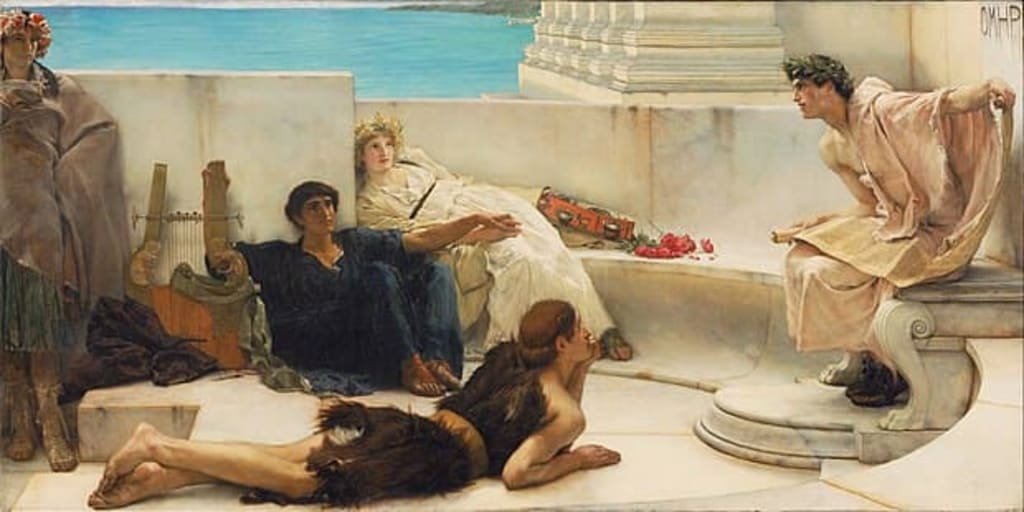
Homer: The Foundation of Western Epic Poetry
Homer’s The Iliad and The Odyssey are often regarded as the cornerstones of Western literature. These poems, composed in dactylic hexameter, were passed down orally before being written down, marking the beginning of a literary tradition that would shape the epic form for millennia.
The Iliad: The Tragedy of War
The Iliad recounts the final weeks of the Trojan War, centering on the conflict between the Greek warrior Achilles and King Agamemnon. The poem explores themes of wrath, honor, and mortality, with Achilles’ anger serving as the driving force of the narrative. Through his depiction of war, Homer presents a world where glory and destruction are intertwined, showcasing the cost of heroism. The gods play an active role in human affairs, intervening in battles and influencing fate, which raises profound questions about divine will and human agency.
The Odyssey: The Journey of the Hero
While The Iliad focuses on war and its consequences, The Odyssey shifts the focus to the struggles of Odysseus as he attempts to return home to Ithaca after the fall of Troy. The poem is a rich tapestry of adventure, featuring encounters with mythical creatures such as the Cyclops Polyphemus, the enchantress Circe, and the Sirens. Odysseus embodies intelligence and cunning, demonstrating that heroism is not solely defined by martial prowess but also by wisdom and perseverance. The Odyssey explores themes of homecoming, identity, and the endurance of the human spirit.
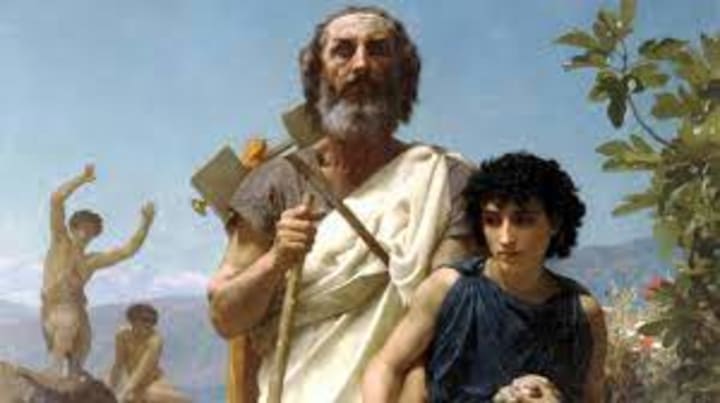
Virgil: Rome’s National Poet
Virgil, writing in the first century BCE, sought to create a national epic for Rome that would rival Homer’s masterpieces. Commissioned by Emperor Augustus, The Aeneid serves as a literary foundation for Rome, tracing the mythological origins of the Roman people through the journey of Aeneas.
The Aeneid: Aeneas and Rome’s Destiny
The Aeneid is a twelve-book epic that follows Aeneas, a Trojan prince, as he flees the destruction of Troy and embarks on a journey to found Rome. The poem blends elements of both The Iliad and The Odyssey: the first half of the epic mirrors Odysseus’ wanderings, while the second half resembles the warfare of The Iliad, culminating in Aeneas’ battles in Italy.
Aeneas embodies the Roman virtues of duty (pietas), perseverance, and sacrifice. Unlike Achilles, who is driven by personal rage, or Odysseus, who prioritizes his own survival, Aeneas is guided by a divine mission—to establish Rome. His journey is fraught with trials, including a doomed love affair with Queen Dido of Carthage, a descent into the underworld, and a climactic battle against Turnus. Through these trials, Virgil conveys the inevitability of Rome’s rise and the sacrifices necessary for empire-building.
Themes and Literary Techniques
Both Homer and Virgil employ similar literary techniques, including extended similes, divine intervention, and themes of heroism and fate. However, their approaches to storytelling differ significantly.

Heroism and Duty
Homer’s heroes, Achilles and Odysseus, are driven by personal motivations—glory and homecoming, respectively. Virgil’s Aeneas, on the other hand, embodies duty over personal desires. This shift reflects the cultural differences between ancient Greece and Rome; whereas Greek literature often celebrated individual excellence (arete), Roman literature emphasized collective duty and sacrifice for the greater good.
The Role of the Gods
In both Homeric and Virgilian epics, the gods play crucial roles in shaping human destiny. However, while Homer’s deities are capricious and often act out of personal vendettas, Virgil’s gods serve a more deterministic function, guiding Aeneas toward his fate with an overarching sense of purpose. This aligns with the Roman ideology of divine destiny (fatum) and the inevitability of Rome’s greatness.
The Influence of Politics
Homer’s epics, though deeply tied to Greek identity, do not serve as explicit political propaganda. In contrast, The Aeneid was commissioned by Augustus and serves to legitimize his rule by linking Rome’s origins to divine will. Aeneas’ struggles and ultimate triumph symbolize the struggles of Rome itself, reinforcing the idea that the empire was destined for greatness.
Legacy and Influence
The works of Homer and Virgil have left an indelible mark on world literature. The Iliad and The Odyssey influenced countless Greek and Roman writers, including Virgil himself. Virgil’s The Aeneid, in turn, became a cornerstone of Roman education and influenced medieval and Renaissance literature.
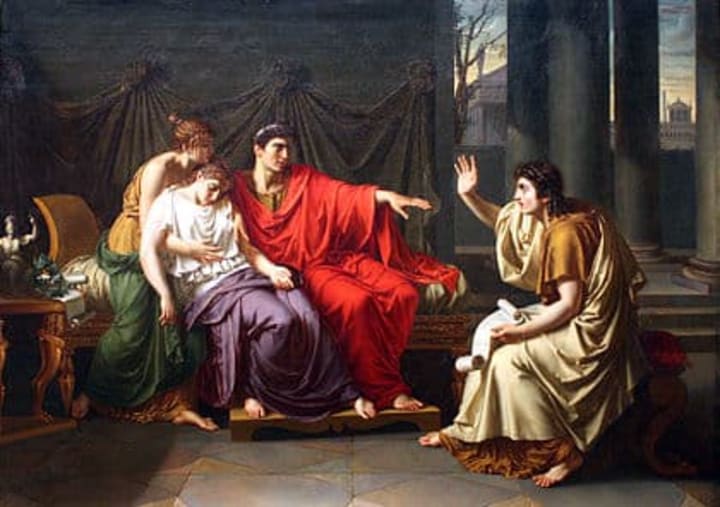
In later centuries, both poets have been studied, adapted, and reinterpreted in various artistic forms. Homer’s influence can be seen in works ranging from Dante’s Divine Comedy to James Joyce’s Ulysses. Virgil’s The Aeneid played a crucial role in shaping European literary traditions and was widely taught throughout the Middle Ages and the Renaissance.
Conclusion
Homer and Virgil stand as towering figures in the epic tradition, their works defining the literary landscape of their respective cultures. While Homer’s poetry captures the raw intensity of war and adventure, Virgil’s work serves as a testament to the power of destiny and duty. Together, they represent two sides of the epic coin—one rooted in personal heroism and the other in national purpose. Their enduring legacies continue to inspire and challenge readers, proving that the themes they explored remain as relevant today as they were thousands of years ago.
About the Creator
Mr Ali
Hello EveryOne..!!
Reader insights
Outstanding
Excellent work. Looking forward to reading more!
Top insights
Expert insights and opinions
Arguments were carefully researched and presented
Eye opening
Niche topic & fresh perspectives
Pandora’s Burden
“My brother warned me to not accept gifts from the one who commissioned you,” said Epimetheus to the woman clad in silvery raiments standing at the entrance to the temple. Her silver tiara and the silver rings on her fingers and toes glinted in the firelight cast by torches set on either side of the doorway. Lingering in the shadows, beyond the reach of the flames as she was, he could not tell what she held in her hands. At first what appeared to be a box was perhaps a funerary urn, or maybe merely an apple.
By J. Otis Haas3 days ago in Fiction


Comments
There are no comments for this story
Be the first to respond and start the conversation.