
Coleridge's "Dura Navis" - 1787
An essay and video essay accompanied. The poem speaks of the dangers of sea travel and the bliss of remaining home.

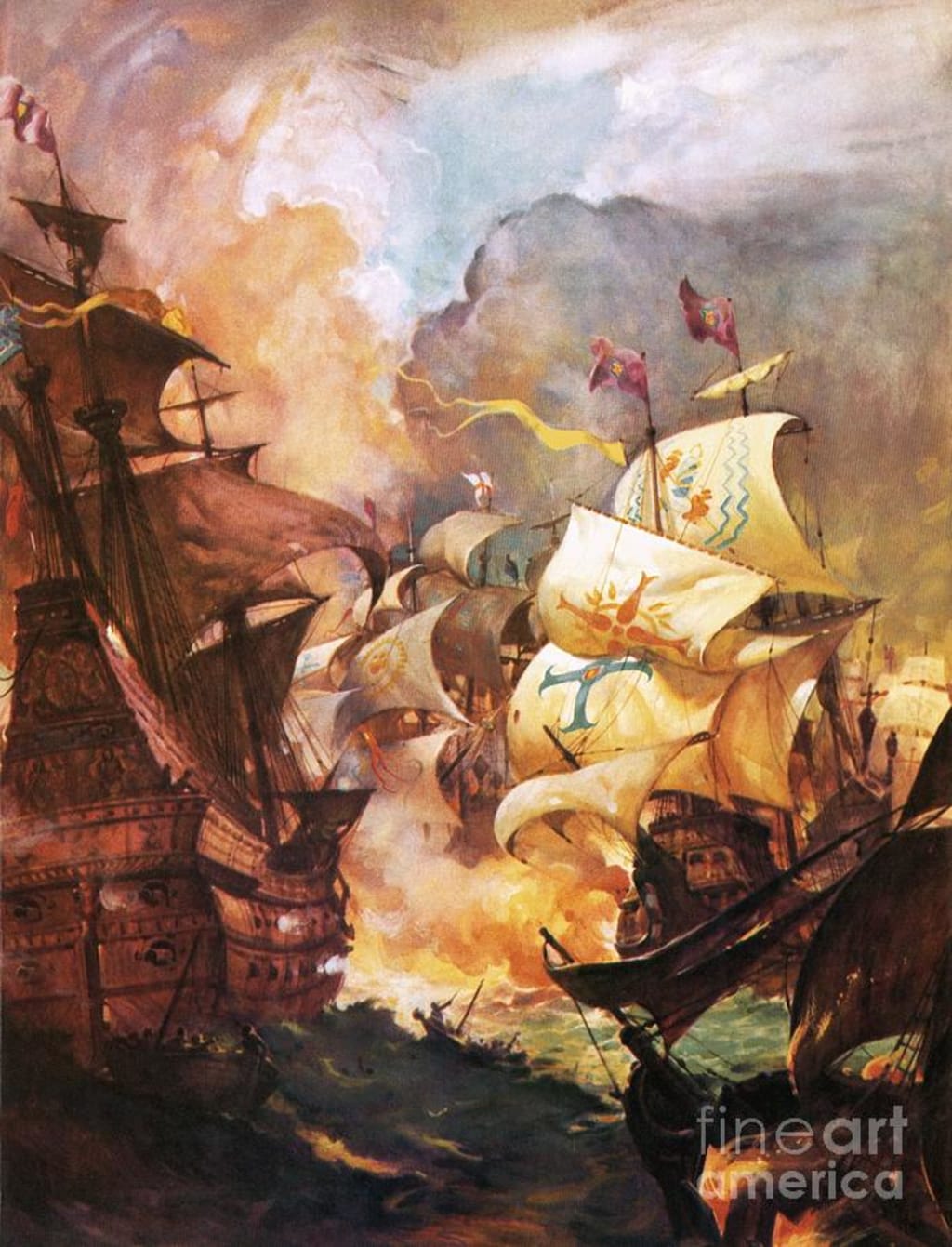
Dura Navis (literal translation is “Hard Ship” but because Classical Latin is such an open ended language it is more commonly and colloquially known as the dangers of sea travel), is and was one of Coleridge’s first known poems, written as part of an assignment when he was a school-boy, attending Christ’s Hospital at the age of 15. Nonetheless the poem is still racked with imagery and passion known in some ways to Coleridge: sea travel (Coleridge’s brother Frank was a sailor), the moon, life, loneliness. These were actions or ideas or emotions that Coleridge was already employing in one of his first pieces of poetry. Coleridge had already begun the art of exchanging physical feelings for poetical feelings in a way more above the other children when he was at the age of 15, when nowadays most of us are just discovering what it is that we’re into and why. That is why Dura Navis and other early poems of Coleridge’s are so important: Coleridge understood and recognized the intricacies of poetry early on, and was naturally gifted while also studying his art. These early poems, through their lasting of time (it is 235 almost 236 years old upon writing currently) and because of the fact that this poem is still in circulation and has multiple analysis and summaries on it is a proving factor to show the power and understanding of Coleridge’s poetic mind even at a stage when his mind was not fully developed.
Dura Navis is a poem about the dangers of sea travel written during Coleridge’s 15th year, making the year of composition 1787. The poem today is 235 years old in 2022. Therefore the poem includes some of the risks and dangers naval officers and seamen would face during that time period, and the two most relevant and I suppose horrific for Coleridge were naval combat, and cannibalism.
But, just as Coleridge was able to ponder of the problems a naval crew may face out at sea, he also included his own emotions at the time into the poem that WOULD ALSO BE RELEVANT to someone sailing out at sea: Solitude and maddening loneliness (whether from man or land). The very same solitude and maddening loneliness Coleridge may have begun to face (or was facing) from his stay away from home at Christ’s Hospital. At the age of 15, Coleridge had already understood the dynamics of poetry, and how the inclusion of both the author’s feelings and the subject’s feelings in the poem is essential to not only creating an understandable piece of literature, but to the entire movement of “personal poetry” that the world is keen with today. That being that the speaker and the author are the same person, or the poem’s subject and the poem’s author share the same feelings that the author feels, the poem being written in first person. While personification is a part of poetry and always has been, Coleridge took it to another level with his Romantic rhymes and verses by bringing the subject’s feelings of isolation with his feelings of isolation at school in such a way as to be masterful in storytelling.
The history and my ideas of Dura Navis being stated, let us begin with the poem itself. Dura Navis is a short poem, only 64 lines, just as well as the summary: The poet begins by describing a voyage (an event that could be connected with Coleridge’s leaving from home to school), next the poem then begins portraying and speaking of the moon (A regular subject for elder Coleridge to write about), until the subject becomes involved with a naval battle, and finally (if the speaker survives), the author speaks about the potential threat of having to resort to cannibalism. Finally the poem ends with a positive lesson or message.
The themes of Dura Navis go deeper than just what appears to be a simple lonely voyage and dangerous travel. For example, in terms of themeage, Dura Navis incorporates a Plotinus-like idea that people should live simpler and control their desires and passions.
As well, to Coleridge, travel is an idea that is often related to solitude. Later he would testify the need for companionship to overcome life’s loneliness.
I believe that Dura Navis is a projection of Coleridge’s feelings of isolation and solitude at school, but also it is a reflection of how Coleridge sees his future at Christ’s Hospital without his family and friends: growing with danger and becoming more and more unbearable, worse and worse with each growing semester, just as the poem becomes more terrible with each growing stanza until the friendly end that Coleridge may have seen as not only his ideal of happiness, but everybody's unconscious idea of happiness whether they are cognizant of it or not. Of course, I have no academic education with Coleridge or the other romantics but I am an extremely passionate amateur.
POEM BEGINS
To tempt the dangerous deep, too venturous youth,
Why does thy breast with fondest wishes glow?
No tender parent there thy cares shall sooth,
No much-lov’d Friend shall share thy every woe.
Why does thy mind with hopes delusive burn?
Vain are thy Schemes by heated Fancy plann’d:
Thy promis’d joy thou’lt see to Sorrow turn
Exil’d from Bliss, and from thy native land.
Hast thou foreseen the Storm’s impending rage,
When to the Clouds the Waves ambitious rise,
And seem with Heaven a doubtful war to wage,
Whilst total darkness overspreads the skies;
Save when the lightnings darting wingéd Fate
Quick bursting from the pitchy clouds between
In forkéd Terror, and destructive state
Shall shew with double gloom the horrid scene?
Shalt thou be at this hour from danger free?
Perhaps with fearful force some falling Wave
Shall wash thee in the wild tempestuous Sea,
And in some monster’s belly fix thy grave;
Or (woful hap!) against some wave-worn rock
Which long a Terror to each Bark had stood
Shall dash thy mangled limbs with furious shock
And stain its craggy sides with human blood.
Yet not the Tempest, or the Whirlwind’s roar
Equal the horrors of a Naval Fight,
When thundering Cannons spread a sea of Gore
And varied deaths now fire and now affright:
The impatient shout, that longs for closer war,
Reaches from either side the distant shores;
Whilst frighten’d at His streams ensanguin’d far
Loud on his troubled bed huge Ocean roars.
What dreadful scenes appear before my eyes!
Ah! see how each with frequent slaughter red,
Regardless of his dying fellows’ cries
O’er their fresh wounds with impious order tread!
From the dread place does soft Compassion fly!
The Furies fell each alter’d breast command;
Whilst Vengeance drunk with human blood stands by
And smiling fires each heart and arms each hand.
Should’st thou escape the fury of that day
A fate more cruel still, unhappy, view.
Opposing winds may stop thy luckless way,
And spread fell famine through the suffering crew,
Canst thou endure th’ extreme of raging Thirst
Which soon may scorch thy throat, ah! thoughtless Youth!
Or ravening hunger canst thou bear which erst
On its own flesh hath fix’d the deadly tooth?
Dubious and fluttering ’twixt hope and fear
With trembling hands the lot I see thee draw,
Which shall, or sentence thee a victim drear,
To that ghaunt Plague which savage knows no law:
Or, deep thy dagger in the friendly heart,
Whilst each strong passion agitates thy breast,
Though oft with Horror back I see thee start,
Lo! Hunger drives thee to th’ inhuman feast.
These are the ills, that may the course attend
Then with the joys of home contented rest —
Here, meek-eyed Peace with humble Plenty lend
Their aid united still, to make thee blest.
To ease each pain, and to increase each joy —
Here mutual Love shall fix thy tender wife,
Whose offspring shall thy youthful care employ
And gild with brightest rays the evening of thy Life.
The poem begins by the speaker asking why he (the speaker) is having thoughts of naval adventure:
“To tempt the dangerous deep, too venturous youth,
Why does thy breast with fondest wishes glow?”
Next, the speaker emphasises the nature of solitude involved (no parent, no trusted friend), as well as the fact that the romantic and ideal hope and view of naval travel is filled with a “false or misleading impression” (The definition of delusive).
“No tender parent there thy cares shall sooth,
No much-lov’d Friend shall share thy every woe.
Why does thy mind with hopes delusive burn?”
With the end of the first stanza, the speaker further speaks about the realities of naval travel over their romanticisms. Mentioning how “Vain are schemes planned by heated Fancy” which translates to “Overestimating the abilities, value and reality of the schemes one has created (being safe and adventurous naval travel in this case), which are further fanned by passionate interest or desire being focused on that specific point (or scheme).”
To end the primary stanza, The speaker then speaks about how the “promised joy” one expects from their vain idea of naval adventure “the speaker will see to sorrow turn”, because to the writer of the poem “Thy native land (Britain) is the home of Bliss, and those who choose to turn away from her shores become ‘exiled’ from Bliss.”
“Vain are thy Schemes by heated Fancy plann’d:
Thy promis’d joy thou’lt see to Sorrow turn
Exil’d from Bliss, and from thy native land.”
In the beginning of the second stanza, a new horrible idea regarding Naval travel emerges: that of a storm so large and terrible that “to the clouds the waves ambitious rise” and “[The waves] seem with Heaven a doubtful war to wage, Whilst total darkness overspreads the skies”. This is not only a wonderfully poetic line literally but also figuratively; Young Coleridge is stating that at sea, there are storms so large it seems as though they steal and conflict with the almighty controlling powers of Heaven and Goodness itself. A storm so evil and filled with rage it spreads total darkness over the skies and seemingly Heaven itself.
“Hast thou foreseen the Storm’s impending rage,
When to the Clouds the Waves ambitious rise,
And seem with Heaven a doubtful war to wage,
Whilst total darkness overspreads the skies;”
The final half of the second stanza states that the ONLY light that may be seen in such an evil storm is the “bursting of lightning from the pitchy clouds between in forkéd Terror”. The term “Darting wingéd Fate” could be seen as the “lightnings dodging and evading the angels that lay in covered Heaven”. The adjective “pitchy” further reinforces how dark the cloudlayer is: Pitchy is a descriptive word that describes something as deep and black as coal tar in this case. In a further justification as to how horrid Coleridge’s theoretical naval travel could be, he states that the storm and lightning “Shew with double gloom the horrid scene.”
“Save when the lightnings darting wingéd Fate
Quick bursting from the pitchy clouds between
In forkéd Terror, and destructive state
Shall shew with double gloom the horrid scene?”
If the weather isn’t enough to deter someone so vain, perhaps death is. In the third stanza Coleridge addresses the theoretical character in question: “Shalt thou be at this hour from danger free?” The answer is negative, Coleridge states that “Perhaps with fearful force some deck-encompassing wave will wash them into the wild and storm sea, dying in the belly of a sea monster”.
“Shalt thou be at this hour from danger free?
Perhaps with fearful force some falling Wave
Shall wash thee in the wild tempestuous Sea,
And in some monster’s belly fix thy grave;”
In the final half of stanza three, Coleridge theorises another horrible and lonely death that could happen: The ship runs aground or strikes some sort of evil looking cliff or craggy surface, killing one or many of the crew onboard. “[The Cliff] Long a Terror to each Bark had stood [Bark being a ship’s wooden panelling]”. A “distressing or sad happening - [The ship strikes] against some wave-worn rock, which has long frightened captains and sailors as an imposing subject; “[The Ship] shall dash [its] mangled limbs with furious shock and stain its craggy sides with human blood”.
“Or (woful hap!) against some wave-worn rock
Which long a Terror to each Bark had stood
Shall dash thy mangled limbs with furious shock
And stain its craggy sides with human blood.”
In the beginning of the fourth stanza, a new threat becomes theorised again, this one not equalling The Tempest or the Whirlwind’s roar. This threat being Naval Combat; evil and described as “spreading a sea of Gore and varied deaths, some on fire, some frightened. This would be an appropriately worse death than being crushed against a cliff in my humble opinion.
“Yet not the Tempest, or the Whirlwind’s roar
Equal the horrors of a Naval Fight,
When thundering Cannons spread a sea of Gore
And varied deaths now fire and now affright:”
Coleridge further emphasises the environment of the horror of war coming by bringing Heaven and a Heavenly figure back into the fourth stanza from the second stanza: “Whilst frighten’d at His streams ensanguin’d far/ Loud on his troubled bed huge Ocean roars”. Whose streams are they frightened at? Gods streams! Full of blood (ensanguined means to make bloody - sang [pronounced song] being French for blood), with his (God’s) huge bed of ocean roaring with combat and the impatient shouts from both parties “longing for closer war” - that closer war being a boarding party, or an invasion force, but more likely in this case a boarding party.
“The impatient shout, that longs for closer war,
Reaches from either side the distant shores;
Whilst frighten’d at His streams ensanguin’d far
Loud on his troubled bed huge Ocean roars.”
In the beginning of the fifth stanza, Coleridge continues the idea of naval combat, perhaps the boarding party in the poem was a hypothetical success - what now? People begin dying violently. “What dreadful scenes appear before my eyes!/See how each with frequent slaughter red…O’er their fresh wounds with impious order tread!” Coleridge is stating there is armed conflict with sword and pistol on the deck on the ship, the speaker's comrades dropping with blood and injury whilst the remaining defending party, or attacking boarding party “treads with impious order” over their dead crewmates.
“What dreadful scenes appear before my eyes!
Ah! see how each with frequent slaughter red,
Regardless of his dying fellows’ cries
O’er their fresh wounds with impious order tread!”
Coleridge continues this idea with the remainder of the fifth stanza. Compassion flies from this dread place of conflict and the furies fell each altered breast command. This is an interesting line for someone so young. The furies (or The Erinyes) were three goddesses of vengeance and retribution who punished men for crimes against the natural order; homicide, filial crimes, perjury, offending the gods. So, when the poem states “The Furies fell each alter’d breast command” in my mind translates to “The forces of vengeance and retribution inspire each individual to fight until those very same forces kill them (fell them) in the field of battle. The Furies therefore inspire and fell all men involved. The next line further reinforces that claim by stating “Vengeance is drunk with human bloods stands and smiling, fires each heart and arms each hand” - The spirit of vengeance for one’s fallen comrade “fires up the heart” and “arms each hand”; Vengeance is the fueler of both the fire inside their hearts and the weapons in their hands.
“From the dread place does soft Compassion fly!
The Furies fell each alter’d breast command;
Whilst Vengeance drunk with human blood stands by
And smiling fires each heart and arms each hand.”
In the beginning of the sixth stanza, Coleridge changes ideas into something even more cruel and base.
“Should’st thou escape the fury of that day
A fate more cruel still, unhappy, view.”
Coleridge states that along the journey if one was to survive naval combat there is always a bigger fish to fear. In this case: Crosswinds during travel, a spreading famine on board, dehydration, ravenous hunger, and finally cannibalism. Coleridge also further enforces the idea from the beginning of the poem that vanity is a big part to play when he states “ah! thoughtless Youth!” Vain can mean having no likelihood of fulfilment, as a young sailor never making it to the destination. Vanity can also mean over-valuing one’s abilities or worth, as a young sailor may when he is eager to sail and thinking of only the romantics of naval travel. Finally vain can also mean producing no result - A thoughtless youth is something that cannot have a result as it is Thoughtless; it has no construction behind it. One could also argue that trying to survive the “fell famine” or enduring “th’ extreme of raging Thirst” is an act attempted in vain, as the dangers of Naval travel never cease or stop to be the dangers they are: attempting to survive is attempting to do the very same travel over again home: A trip that would be considered full of vanity in almost every definition.
“Opposing winds may stop thy luckless way,
And spread fell famine through the suffering crew,
Canst thou endure th’ extreme of raging Thirst
Which soon may scorch thy throat, ah! thoughtless Youth!
Or ravening hunger canst thou bear which erst
On its own flesh hath fix’d the deadly tooth?”
In the seventh stanza Coleridge states that “between hope and fear, with trembling hands the lot [crew] I see thee draw will either make it to the destination [Which shall] or each crew member will die drearily [Dull, bleak, or depressingly] to the gaunt [grim and desolate] Plague, which is evil and savage and follows no civilised laws of men or nature.
“Dubious and fluttering ’twixt hope and fear
With trembling hands the lot I see thee draw,
Which shall, or sentence thee a victim drear,
To that ghaunt Plague which savage knows no law:”
Coleridge continues with his earlier ponderings about cannibalism. It could either be seen as someone attacking another because they have been driven mad, while their emotions wildly stir inside their heart and THEN so filled with horror at what has been done, decides to eat them as a way to survive. The more likely version is that the individual is so filled with emotion and hunger (whether good or bad) [strong passion agitates thy breast] that they attack someone for food and even horrified of what they’ve done to survive, they constantly think of the moral dilemma [though oft with Horror back I see thee start] that comes with eating another human being. Though the final line “Lo! Hunger drives thee to th’ inhuman feast” does make it seem that it is the hunger itself that makes one act in such a morally unacceptable way and not just the strong passions that come with isolating sea travel.
“Or, deep thy dagger in the friendly heart,
Whilst each strong passion agitates thy breast,
Though oft with Horror back I see thee start,
Lo! Hunger drives thee to th’ inhuman feast.”
The final stanza begins with the entire summary of Coleridge’s Dura Navis: Sea travel is dangerous and depressing and essentially something done out of vanity by those who think vainly. Life is safer and easier “at home” both in the sense of “away from the decks of ships” and “away from the classrooms of Christ’s Hospital”. Those truly content with life and simply being happy and surviving on the shore’s of Albion (or home) is better. “These are the ills, that may the course attend/Then with the joys of home contented rest -”.
Coleridge speaks of what he sees as the construction behind simple life on Albion’s shore consists of: “Here, meek-eyed Peace with humble Plenty lend/ Their aid united still, to make thee blest.”
To end the poem Coleridge speaks of a very simple but homey and warming idea of opposing forces: If the ideas of dehydration, death, war, famine, cannibalism, isolation, being crushed into a cragg and being murdered on the highseas doesn’t tickle your fancy, to stay away from travel and staying into the home will! For it will “ease each pain, and increase each joy [because] mutual love shall fix [make stable and firm] thy tender wife, Whose offspring shall thy youthful care employ and gild with brightest rays the evening of thy Life”.
Coleridge is stating that to stay home and help one’s wife with the children is the most fulfilling thing one can do as a person, not fuelled through vanity, not something foolish or senseless that will get one killed. Here Coleridge reinforces the Plotinus-like view mentioned in the beginning of the poem. But now by ending his poem there is no longer speech of death and war, but rather will a light so bright it can light up “the evening of thy Life” with that light coming from the children that you help to raise.
“These are the ills, that may the course attend
Then with the joys of home contented rest —
Here, meek-eyed Peace with humble Plenty lend
Their aid united still, to make thee blest.
To ease each pain, and to increase each joy —
Here mutual Love shall fix thy tender wife,
Whose offspring shall thy youthful care employ
And gild with brightest rays the evening of thy Life.”
About the Creator
Hoaram
Just trying to get by doing what I have a passion for. Please consider leaving a tip if anything I say stirs something inside you.



Comments
There are no comments for this story
Be the first to respond and start the conversation.