

Apathy, gripping, to now.
Hiding, half-healed wounds.
...can't...must, be a release.
-----------------------------------------
(Continuation of a Haiku to hit the word limit...)
My desperate need to NOT let go, to cling.
to my (+ familiarity with) trauma.
What it takes for us to realize. for me, my little brother.
His own realization of the clinging to melancholy,
but finding a small part of self that relishes, that appreciates the melancholy.
And finding that, with the relishing, there is a danger of too much.
I have felt so bottled up for so long, but didn't know why I kept breaking down, why it kept overflowing. Who would've thought I wanted the sadness? But not the sadness of it really, the *familiarity* of the sadness.
That's why it was so hard to discover. Familiarity, habits, rhythm. That is so simple, so obvious that it is so easily hidden underneath other more pronounced feelings, like grief...
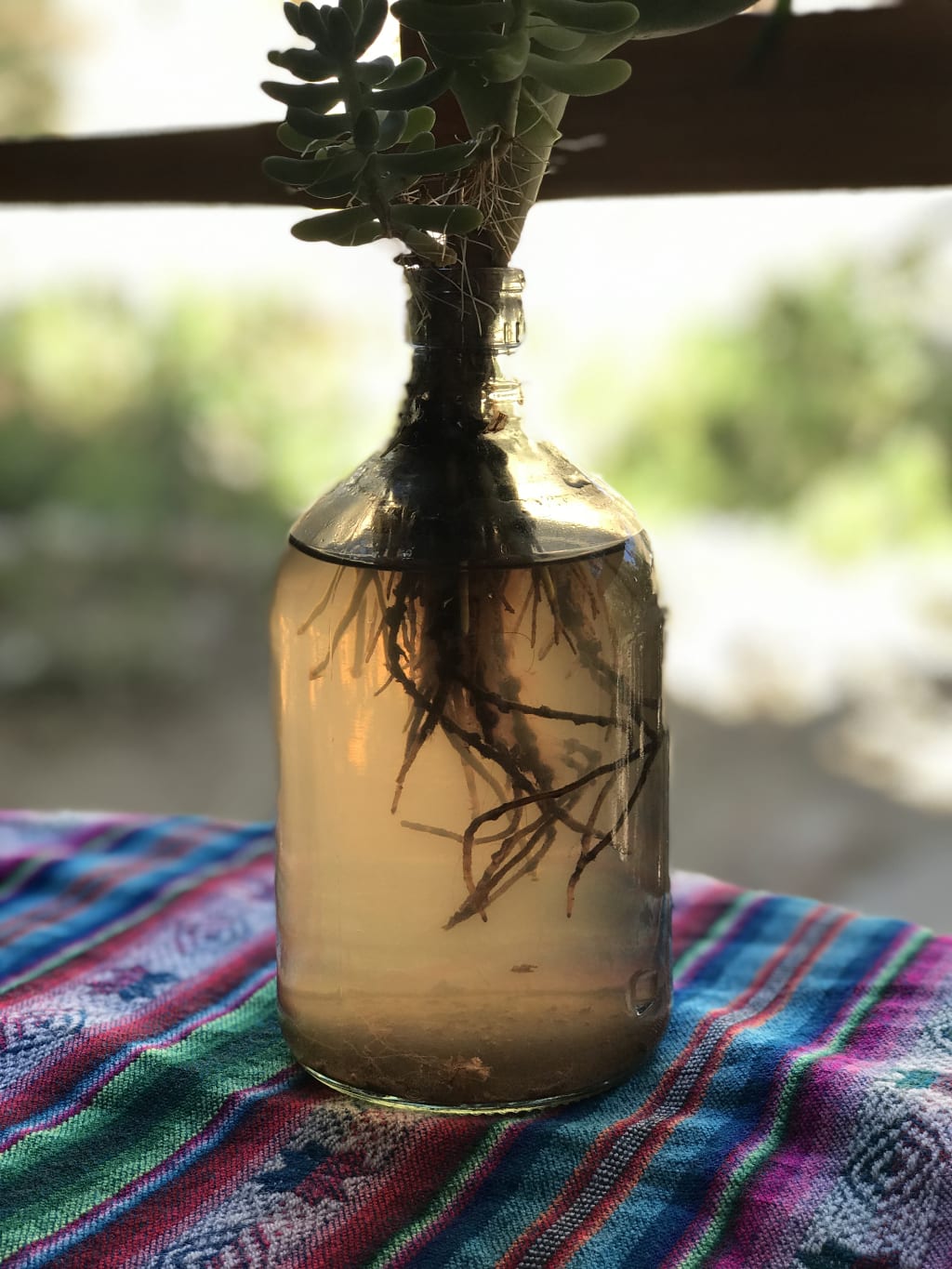
Everyone has roots. Origins. A background. And we hold to those roots because many times they ARE good, they remind us of self, they remind us of purpose, they remind us of identity, they are important. But within those roots, we can have weeds. The roots of our background are almost never pure, never perfect. And those are important too. They might not be good for us, and we might need to learn how to pull them out, but they are important, *because* we need to pull them out...and we can't pull out what we are unaware of...what we are blocking out.
At 12 years old, I experienced grief of losing my mother. 18 years later, I'm realizing all the subsequent traumas I cling to, because they give me that familiar feeling of grief, of pain, of ripping away a piece of who I am, or who I have felt that I am. Because that feeling so strongly represents one of the most important moments in my life. It has defined who I am in a way, even though I didn't mean it to. I let it.
But now, how do I stop? How do I stop clinging and let go? How do we learn to do that, once we know? How do you just stop being melancholy, when it defines so much of who you are? How do you un-define the trauma parts? The redefinition, I think, might be even more excruciating than the trauma...as you have to stare the trauma right in the face, and figure out how to suck its' poison out of you. It's a way of being reborn...and birth, I've heard, can be a very lengthy, painful process.
But, it gives way to new life, new vigor. And that's what life without trauma must be like, I suppose.
About the Creator
Keep reading
More stories from Becoming Babs and writers in Poets and other communities.
Smart phones, Humans and Aliens.
WARNING. I will be tapping into one of your favorite creative tensions: The absurdity of humans worshipping their glowing rectangles as if they were tiny oracles. There’s something deliciously poetic about that contradiction, and it lends itself beautifully to an instructive proviso.
By Novel Allen4 days ago in Poets
Miss Persephone's Manual to a Seemingly Ordinary Life
Miss Persephone was found at the dining table, her blue eyes swollen, her tears arriving and retreating like the tides of the ocean. Earlier that day, her family had visited her in the retirement home where she had lived for eight years. It was her eightieth birthday.
By Imola Tóth5 days ago in Fiction


Comments
There are no comments for this story
Be the first to respond and start the conversation.