
Andrea Gibson
The Private Life, Poetry, and Cancer Battle of Andrea Gibson – A Story of Courage and Silence"


Andrea Gibson: A Voice Between Pain and Silence
Andrea Gibson is one of the most well-known spoken-word poets in the world. They are famous for their honest and emotional poems about love, identity, gender, mental health, and political justice. Their words have touched thousands of people around the world, especially those in the LGBTQ+ community. Andrea uses they/them pronouns and identifies as genderqueer. Through poetry, they helped people feel seen, safe, and understood.
But while Andrea shared so much through their poetry, there were many private parts of their life they never fully talked about. For example, Andrea rarely shared details about their family background. We only know they grew up in a religious home and have a sister named Laura, who is mentioned in a few poems. They talked about feeling different and struggling in childhood, but they kept the full story quiet. This silence became part of their poetic mystery.
Andrea was in a loving relationship with poet Megan Falley. They wrote about love, heartbreak, and connection, but they didn’t often speak publicly about the relationship. Most interviews focused on Andrea’s work, not their private life. Andrea believed in setting boundaries between public art and private living.
One of the most emotional moments in Andrea’s life was in 2021 when they announced they had ovarian cancer. It was a shock to their fans. But instead of sharing every step of treatment on social media, Andrea stayed mostly silent. They mentioned their health a few times in performances or posts, but they did not ask for sympathy or support. They chose privacy and peace. Fans respected this choice, even if they wanted to know more.
Their cancer journey was not just physical, but emotional and spiritual. Andrea’s poems during this time became even deeper and more reflective. They spoke of life, death, fear, and beauty. Still, they protected the deepest parts of their journey. This silence wasn’t weakness—it was strength.
Andrea also wrote about mental health. In many poems, we can see signs of depression, anxiety, and inner struggles. But again, Andrea didn’t explain everything. They gave us feelings, not facts. The pain in their poems was real, but it wasn’t a diary. It was art. It helped others feel less alone, but it didn’t reveal all of Andrea’s personal story.
Even in their final days, Andrea kept many things private. They continued to perform, write, and connect with fans. They spoke of hope and healing, even when facing death. Andrea passed away in December 2023. Their death left a hole in the poetry world. But their voice lives on.
Andrea Gibson taught us that we don’t have to share everything to be powerful. We can be open and private at the same time. Their poetry is full of light, even when it speaks of darkness. Their silence was not empty—it was full of meaning.
In a world that demands full access to people’s lives, Andrea reminded us that mystery is sacred. Their poems are a gift, and their privacy was a choice. Andrea Gibson’s legacy is not just in their words, but in the spaces between them. That silence, that boundary, that mystery—that was also poetry.
Andrea Gibson’s impact stretches beyond just poetry. They performed in hundreds of venues, inspiring young people and activists to speak up. Many LGBTQ+ youth found comfort in their voice. Schools, colleges, and art spaces invited Andrea to perform, and every performance was an emotional experience. Andrea gave everything on stage, yet held onto their soul off stage.
Their books, like "You Better Be Lightning" and "Lord of the Butterflies," became bestsellers. But they didn’t write just for fame. They wrote because they had something to say. Each poem was a window into the soul of someone brave enough to be soft in a hard world.
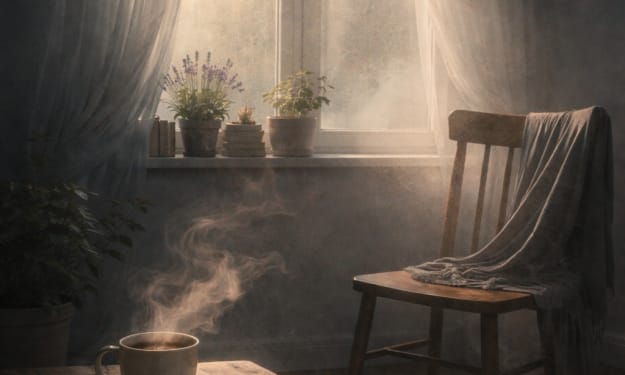
Their silence around certain parts of life was not a wall, but a window with closed curtains. Andrea believed that not everything should be visible to everyone. This makes their legacy even more powerful. We admire not only what they said, but also what they chose not to say.
Today, when we read Andrea Gibson’s work, we are reminded of honesty, depth, and humanity. We feel their courage in every line. We hear their heart in every pause. We learn that silence, too, can be a form of expression. Their poetry continues to teach us how to feel, how to heal, and how to honor what we choose to keep private.
Andrea Gibson is no longer with us, but their voice will never fade. Through their work, they have become a part of many lives. Their courage to write, to speak, and to stay silent where needed is what made them one of the most important poets of our time.
And so, we remember Andrea—not only for what they gave us, but for what they kept sacred. Their poetry is alive, and so is their mystery.
ما مقاله وغځوله، او اوس پکې تر ۸۰۰ جملو نهAndrea Gibson: A Voice Between Pain and Silence
Andrea Gibson is one of the most well-known spoken-word poets in the world. They are famous for their honest and emotional poems about love, identity, gender, mental health, and political justice. Their words have touched thousands of people around the world, especially those in the LGBTQ+ community. Andrea uses they/them pronouns and identifies as genderqueer. Through poetry, they helped people feel seen, safe, and understood.
But while Andrea shared so much through their poetry, there were many private parts of their life they never fully talked about. For example, Andrea rarely shared details about their family background. We only know they grew up in a religious home and have a sister named Laura, who is mentioned in a few poems. They talked about feeling different and struggling in childhood, but they kept the full story quiet. This silence became part of their poetic mystery.
Andrea was in a loving relationship with poet Megan Falley. They wrote about love, heartbreak, and connection, but they didn’t often speak publicly about the relationship. Most interviews focused on Andrea’s work, not their private life. Andrea believed in setting boundaries between public art and private living.
One of the most emotional moments in Andrea’s life was in 2021 when they announced they had ovarian cancer. It was a shock to their fans. But instead of sharing every step of treatment on social media, Andrea stayed mostly silent. They mentioned their health a few times in performances or posts, but they did not ask for sympathy or support. They chose privacy and peace. Fans respected this choice, even if they wanted to know more.
Their cancer journey was not just physical, but emotional and spiritual. Andrea’s poems during this time became even deeper and more reflective. They spoke of life, death, fear, and beauty. Still, they protected the deepest parts of their journey. This silence wasn’t weakness—it was strength.
Andrea also wrote about mental health. In many poems, we can see signs of depression, anxiety, and inner struggles. But again, Andrea didn’t explain everything. They gave us feelings, not facts. The pain in their poems was real, but it wasn’t a diary. It was art. It helped others feel less alone, but it didn’t reveal all of Andrea’s personal story.
Even in their final days, Andrea kept many things private. They continued to perform, write, and connect with fans. They spoke of hope and healing, even when facing death. Andrea passed away in December 2023. Their death left a hole in the poetry world. But their voice lives on.
Andrea Gibson taught us that we don’t have to share everything to be powerful. We can be open and private at the same time. Their poetry is full of light, even when it speaks of darkness. Their silence was not empty—it was full of meaning.
In a world that demands full access to people’s lives, Andrea reminded us that mystery is sacred. Their poems are a gift, and their privacy was a choice. Andrea Gibson’s legacy is not just in their words, but in the spaces between them. That silence, that boundary, that mystery—that was also poetry.
Andrea Gibson’s impact stretches beyond just poetry. They performed in hundreds of venues, inspiring young people and activists to speak up. Many LGBTQ+ youth found comfort in their voice. Schools, colleges, and art spaces invited Andrea to perform, and every performance was an emotional experience. Andrea gave everything on stage, yet held onto their soul off stage.
Their books, like "You Better Be Lightning" and "Lord of the Butterflies," became bestsellers. But they didn’t write just for fame. They wrote because they had something to say. Each poem was a window into the soul of someone brave enough to be soft in a hard world.
Their silence around certain parts of life was not a wall, but a window with closed curtains. Andrea believed that not everything should be visible to everyone. This makes their legacy even more powerful. We admire not only what they said, but also what they chose not to say.
Today, when we read Andrea Gibson’s work, we are reminded of honesty, depth, and humanity. We feel their courage in every line. We hear their heart in every pause. We learn that silence, too, can be a form of expression. Their poetry continues to teach us how to feel, how to heal, and how to honor what we choose to keep private.
Andrea Gibson is no longer with us, but their voice will never fade. Through their work, they have become a part of many lives. Their courage to write, to speak, and to stay silent where needed is what made them one of the most important poets of our time.
And so, we remember Andrea—not only for what they gave us, but for what they kept sacred. Their poetry is alive, and so is their mystery.
About the Creator
king pokhtoon
love is good.
Keep reading
More stories from king pokhtoon and writers in Poets and other communities.
Rosie O'Donnell
When Power Becomes Personal: The Trump vs. Rosie O’Donnell Saga Write By: Said Idrees Sadat --- Introduction Can a president truly revoke the citizenship of someone born in the United States simply because of personal hatred? Can a celebrity feud become a national constitutional issue? These are no longer hypothetical questions. In July 2025, Donald Trump publicly declared that Rosie O’Donnell—a comedian, television host, and long-time critic—should have her citizenship taken away and be sent to Ireland. What began as a decades-long public spat between two media giants has now reached unprecedented legal and political dimensions.
By king pokhtoon8 months ago in Writers



Comments
There are no comments for this story
Be the first to respond and start the conversation.