
A Room That Forgot How to Echo
He promised he’d come back. The room remembered him longer than the world did.

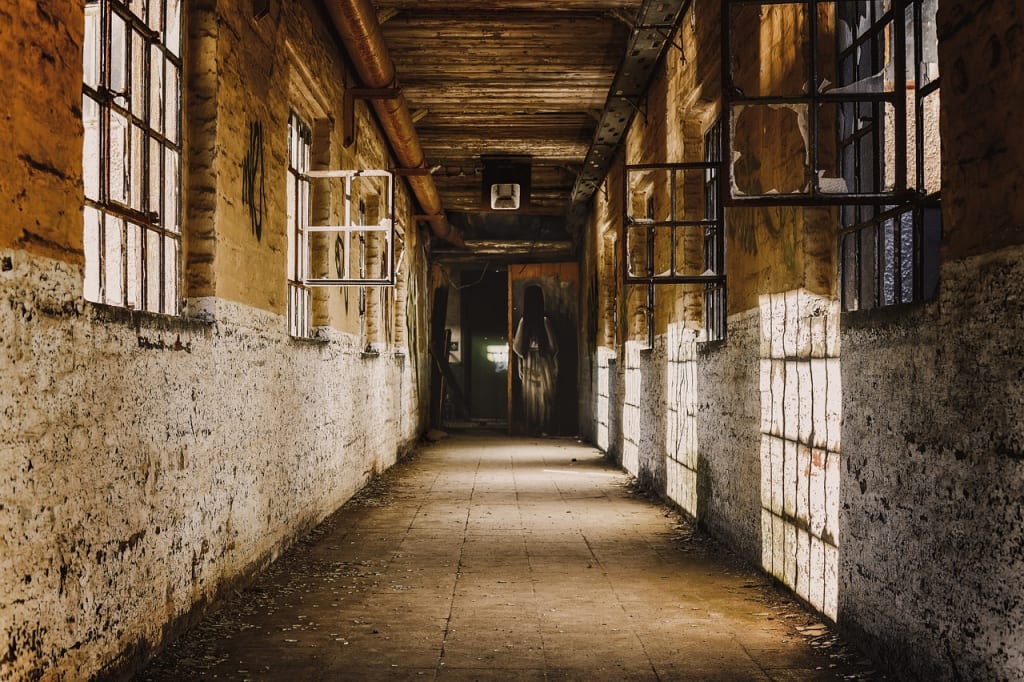
The clock in the hallway hadn’t ticked in three years.
But Mia still wound it every Sunday morning, like muscle memory that refused to forget. The same way she left the porch light on at night. The same way she kept his shoes by the door.
Her therapist once told her that grief lived in the body — in the rituals, the pauses, the way a hand twitches toward an absent voice.
Mia didn’t disagree. However, she also believed that the walls contained grief. Especially in the room upstairs.
Leo used to have it. Leo was her younger brother by two years, though he never acted it. He was louder, taller, braver — the kind of person who ran into the ocean before the water warmed up. He believed that music was the closest thing to God and wore secondhand jeans. He was the one who convinced Mia to sing, even when she insisted her voice was too shaky, too small. He said, “Shaky voices make the best songs. They sound like people trying not to cry.”
When he turned eighteen, he joined the army.
“Just for a few years,” he told her. “I’ll come back with stories.”
She hugged him like she was afraid he’d vanish mid-sentence.
He promised he’d write.
He did, and for a while. The first letter arrived two weeks after he left. Folded paper, smudged ink, a pressed flower taped inside. “Saw this outside camp,” he wrote. “Made me think of the garden we destroyed trying to build a treehouse.”
Mia laughed for the first time in days.
There were more letters — every week, sometimes every two. He wrote about the desert heat, the other guys in his unit, the nights that felt like forever. He never mentioned fear. Never said anything about danger.
She believed him.
Because she had to.
Then, one day, the letters stopped.
For three weeks, she waited.
On the 23rd day, two men in uniform knocked on the door.
Her mother collapsed before they finished the sentence.
Mia just stood there, clutching the last unopened letter in her hand.
It was postmarked two days before his convoy hit the roadside bomb.
They buried an empty box.
There wasn’t enough of him to bring home.
The funeral felt like a scene from someone else’s life — the folded flag, the too-white flowers, the priest who never met him.
Mia didn’t cry until she walked into his room the next night.
Everything remained intact. His guitar. His journals. His coat on the hook, still smelling like laundry detergent and summer air.
She stood in the doorway, waiting for the silence to break.
It didn’t.
In the weeks that followed, everyone told her the same thing.
“He died a hero.”
“He’s in a better place.”
“Time heals all wounds.”
Mia smiled politely. Nodded. Went home and screamed into his pillow until her throat bled.
No one talks about how violent grief can be. How loud. How messy. How it fills your lungs until breathing feels like betrayal.
She stopped singing. Stopped eating. Some days, she didn’t leave the bed.
But she kept winding the clock.
She wasn't sure why. Three years passed.
The world moved on.
Friends tied the knot. Her parents downsized. Her old music teacher retired. A new family moved into the house next door, and their little girl sometimes left chalk drawings on Mia’s sidewalk.
Life kept trying to show her it could be beautiful again.
She wasn’t sure she believed it.
But one October morning, something changed.
She was cleaning out the attic when she found an old recorder — the kind Leo used when writing songs. Dusty, forgotten. She turned it over in her hand, then pressed play.
Static. A pause.
Then his voice.
"Hey, idiot. If you’re hearing this, I probably died in some dramatically stupid way. Sorry about that."
She froze.
"I wanted to say something important, but now I don’t know what to say. I'll just talk to you. "As always." A rustling noise. A laugh.
"You were always better than me, Mia. Even if you didn’t believe it. You cared more. Felt more. You loved like it hurt."
She sat down slowly, back against the attic wall.
"I left a notebook in my room. The black one. Page 23. That song’s for you. I was gonna play it when I got back."
Silence.
Then, softer:
"Don’t keep the light on forever. Don’t wait in that house for echoes. Let me go, Mia. But not the music. Never the music."
The recording ended.
Mia didn’t realize she was crying until she tasted salt.
She went downstairs.
To his room.
The black notebook was still there, tucked behind the bedpost.
Page 23 held a song.
No title. No chords. Just lyrics, scrawled in his looping handwriting.
If my voice ever fades,
play the wind like a record.
If my face ever blurs,
paint me into memory.
You were the reason
I wanted to return home. She sat on the floor and read it again and again.
And then, slowly, almost trembling, she began to sing.
Her voice cracked. Broke. Rose.
The room didn’t echo.
But for the first time in years, it listened.
That night, she didn’t leave the porch light on.
The next morning, she threw out the old uniforms in the closet. Kept the letters. Framed the lyrics.
She didn’t stop missing him. That part never goes away.
But she started singing again — covers, originals, Leo’s half-written lines. She posted them online. One went viral. A few months later, she was invited to play live for the first time.
She wore his dog tags on stage.
After the final song, someone in the audience shouted, “Who was that last one about?”
She smiled.
“No one,” she said. "And everybody." And left in a hushed silence that no longer hurt.
About the Creator
Shakil Sorkar
Welcome to my Vocal Media journal💖
If my content inspires, educates, or helps you in any way —
💖 Please consider leaving a tip to support my writing.
Every tip motivates me to keep researching, writing, sharing, valuable insights with you.
Keep reading
More stories from Shakil Sorkar and writers in Poets and other communities.
"The Last Cup of Coffee"
The bell above the door chimed as Elena stepped into the tiny café on 7th Avenue, brushing snow from her coat and pulling the scarf tighter around her neck. The place was warm, humming with quiet conversations and the soft hiss of the espresso machine. She ordered her usual — one black coffee, one oat milk latte — and took a seat by the window.
By Shakil Sorkar10 months ago in Poets




Comments
There are no comments for this story
Be the first to respond and start the conversation.