
Why I consider photography a hobby, and not a viable career option for me
And the barriers that passionate amateur photographers face


Please note, this is all my own personal opinion. Yours may differ, and that’s completely fine!
I love photography. Having grown up primarily in front of my mother’s camera lens, it’s something I wanted to pick up from a young age. I loved the freedom and creativity which came with holding that D80 in my hands - I could capture anything as if through my own perspective.
And I’m so grateful to have access to such things, a privilege many can’t afford. But, despite this, it’s something I’ll never really be able to consider professionally. ‘Why?’ you may ask. ‘If it makes you happy, it’s a viable option, right?’
The truth is, for a lot of us, it isn’t a viable option, and here’s why.
1. Costs
Possibly the biggest barrier, and one that not only affects photographers but prevents people from pursuing a number of different hobbies.
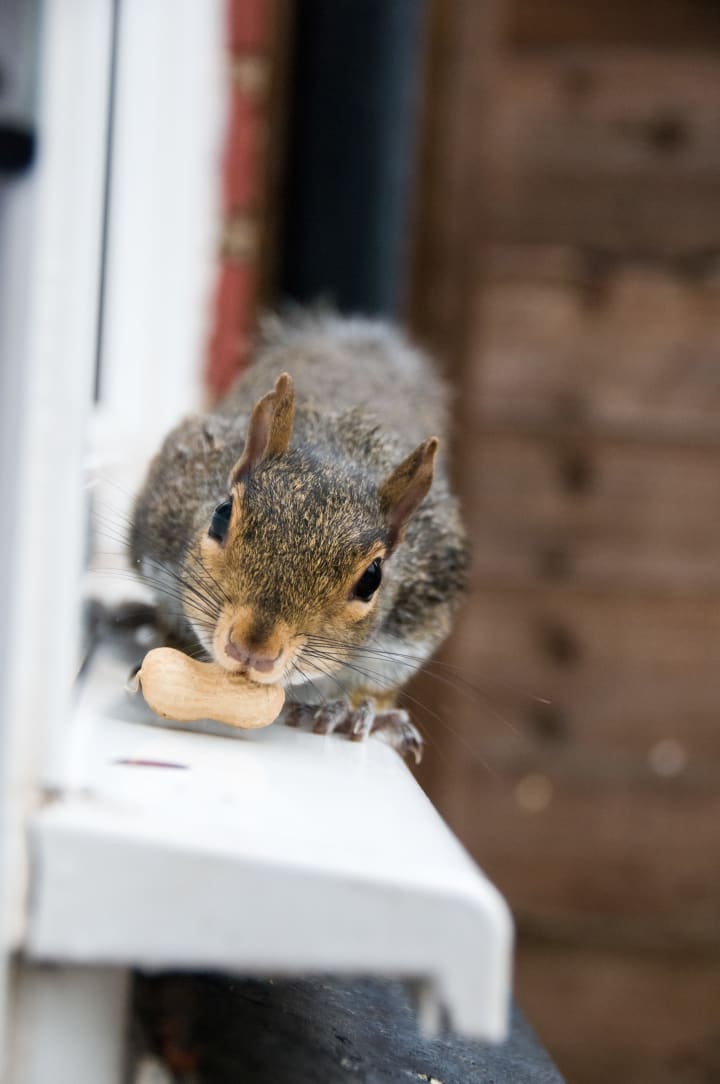
Think about it like this. To take photos, you need a camera body, right? That’s going to cost you pretty heavily. Most semi-professional cameras start at £1000 upwards, with professional bodies costing up to £6000. For many, even a grand will cost a few months worth of savings at least.
So now, you’ve got your body. Time to take photos? No. You’ll need a lens for that. You can get one for as little as £200. That’ll do, right? The truth is, for quality photos, particularly in sport or wildlife, you’ll need a lens that can keep up with your subject. My dream lens, and the standard for many amateurs and professionals alike, is a good 70-200mm f/2.8 which offers decent reach along with a decent aperture. This alone costs a hefty £2000. A good portrait lens will cost you another £1000. I’ve seen many amateurs who have great collections of lenses, but this just isn’t affordable in any way.
And then you need something to photograph - factor in travel and you’re looking at even larger costs.
Don’t get me wrong - I understand the complexity of camera production and the cost of parts, but with prices rising further by up to £1000 this April, it’s becoming even more impossible for young people like myself.
I could go on and on about the other costs involved - tripods, light sources, software, photography courses and tours… But, I’ll spare you the details for now.

2. The Gender Gap
It’s pretty common knowledge that a stark majority of professional photographers are male. This is something which is brought up quite often but still hasn’t improved a lot.
As a female, it makes you wonder - would I even have a shot if I tried to break into the industry? It’s something so many different sectors still struggle with and, truthfully, so much needs to be done about this.
I cannot wait for the day when young girls can look at people working in the industry they’re passionate about and see people that reflect themselves, be it through gender, race, and social class.
3. Competition
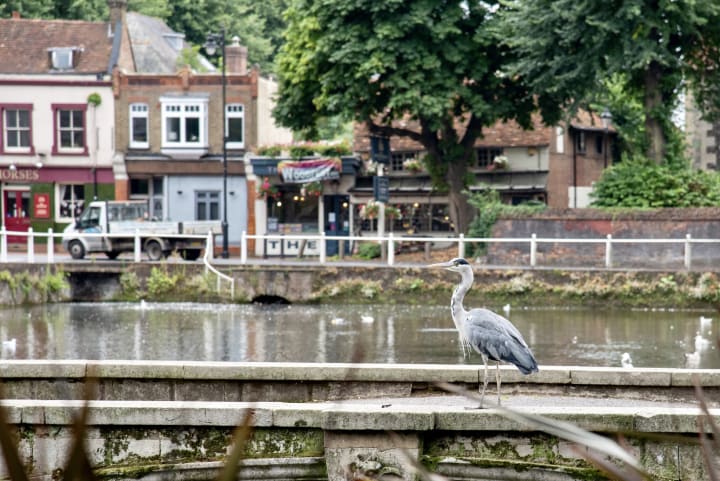
There are just so many people pursuing photography these days. Visit any app or site offering photography challenges and contests and you’ll see thousands of photos submitted to each one. Go to the park, and I’m sure you’ll see someone snapping shots.
Today, with the kind of access we have to mobile phone cameras and the introduction of cheaper camera models, photography is something anyone and everyone has tried at some point.
With this, it becomes much more difficult to stand out. Anyone can take photos of a bird in the park, or their pet in the garden.
4. Lack of opportunities
Once, budding photographers could reach out to companies and journalism companies asking for a chance - maybe a press pass to a sporting event in order to prove themselves. Or for work in their studio.
Today, this isn’t as straightforward. To get into high-profile events, you’ll need a press pass, but this requires the trust of an agency like Reuters.
At a time when unsolicited mail requesting experience or chances isn’t as greatly appreciated, how does one get their foot in the door? So many people have degrees and qualifications in photography and still can’t find a job. What are they doing wrong? Is it a lack of contacts? Why do we put so much pressure onto the idea of having contacts?
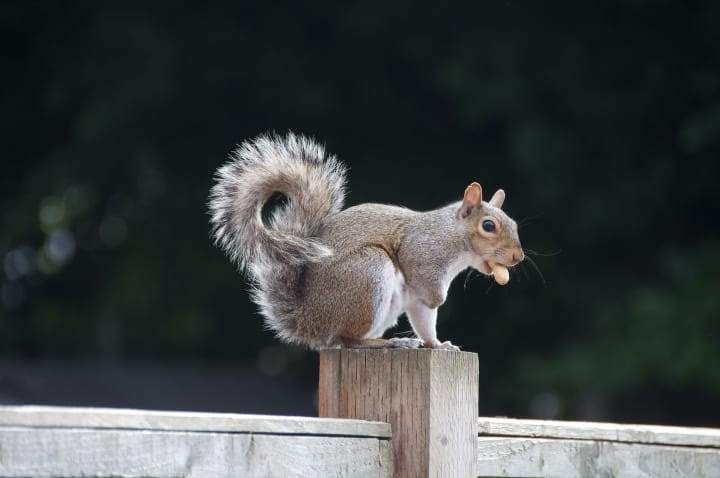
Honestly, I love photography, and I’m so glad it’s something I can do on the side. I’d love to do something big with it, but it’s not a realistic goal for me and the background I come from. But we can’t deny that there’s a problem with the industry. For some, it’s an impossible dream that they may chase forever and never reach.
I’m sure this is a controversial topic that will no doubt ignite some anger in some. If you’re looking to pursue it professionally, I genuinely wish you all the luck in the world. I hope that you achieve your dreams, and who knows? Maybe we’ll see your work published online, of the Olympics, or a journalistic project backed by a top organisation. But maybe keep that back-up plan up your sleeve.
Thank you for reading! You can check out some of my personal work here;
https://petonicole41.wixsite.com/npphotography
About the Creator
Keep reading
More stories from Nicole Peto and writers in Photography and other communities.
My Year, in Prattling and Photos
It's been a year since... last year. Ironically, it seems I've found myself a new tradition of getting sick during the New Year holidays. At least, this year (that is, this inter-year period remarkable for its shiny decorations in the streets and houses, and closed supermarkets and pretty much everything), I'm doubtlessly doing better: I've managed to come visit my friends in Germany for Christmas (which I failed to do last year) and—after having some good quality time eating machanka, playing Munchkin and swinging machetes (the last one obviously crept into this checklist only for the sake of the phonological form)—I came back home via proverbial Deutche Bahn and probably less known Schweizerische Bundesbahnen, my body hosting a family of viruses, virions and who knows what other tiny critters somewhere inside my chest.
By Andrei Z.18 days ago in Photography



Comments
There are no comments for this story
Be the first to respond and start the conversation.