
Sundarbans the world's largest contiguous mangrove forest
A famous tourism spot in Asia

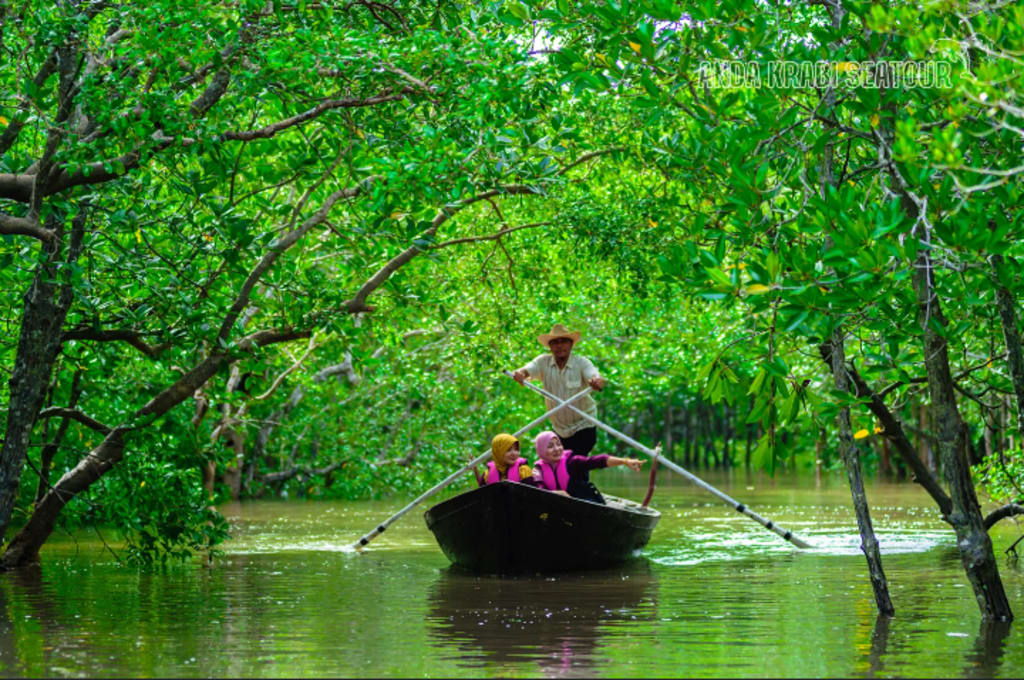
The Sundarbans, a UNESCO World Heritage Site and the world's largest contiguous mangrove forest, represents a unique ecological marvel situated at the delta of the Ganges, Brahmaputra, and Meghna rivers, straddling the borders of southern Bangladesh and the eastern state of West Bengal, India. Covering approximately 10,000 square kilometers, this intricate network of tidal waterways, mudflats, and forested islands plays a critical role in regional hydrology, climate regulation, and biodiversity conservation.
Renowned Tree of Sundarbans :

Ecologically, the Sundarbans is renowned for its adaptive mangrove species—most notably Heritiera fomes (sundari tree), from which the forest derives its name. These salt-tolerant trees thrive in intertidal zones, forming a natural barrier against cyclones and coastal erosion, while also acting as a carbon sink that contributes to climate change mitigation.
The Royal Bengal Tiger:
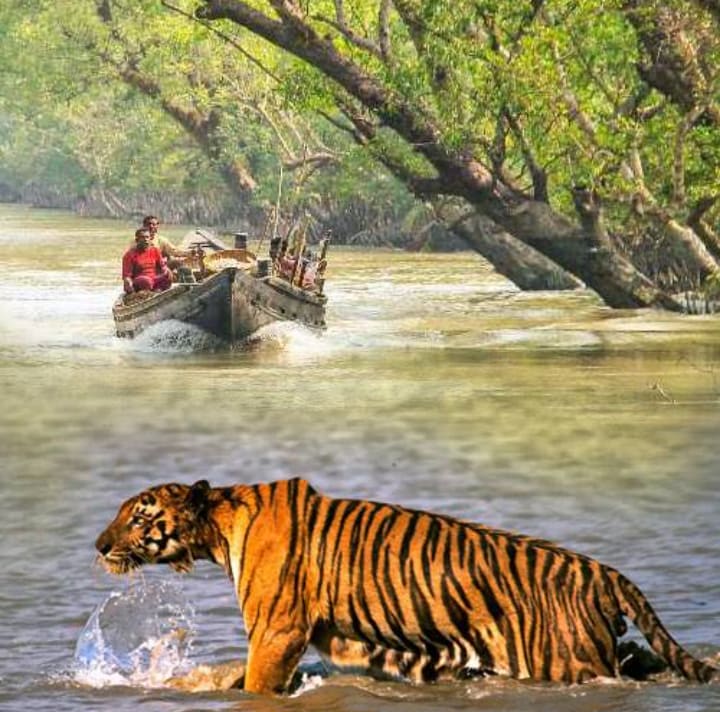
The Royal Bengal Tiger is the most famous and powerful predator of the Sundarbans. These tigers are known for their strength, agility, and unique ability to swim long distances, which helps them survive in the waterlogged, muddy environment of the Sundarbans. They have adapted well to the harsh conditions, preying on animals like spotted deer, wild boar, and even fish. Due to the close proximity of human settlements, conflicts sometimes occur when tigers enter villages or attack people who enter the forest for fishing or collecting honey. Despite these challenges, the Royal Bengal Tiger is deeply respected by the local communities and plays a vital role in maintaining the balance of the mangrove ecosystem. Conservation efforts are ongoing to protect this endangered species from threats like habitat loss, poaching, and climate change, especially rising sea levels that endanger their natural home.

The Sundarbans Sea Beach, nestled at the edge of the world’s largest mangrove forest, offers a rare blend of coastal serenity and wild natural beauty. Unlike typical tourist beaches, this secluded shoreline near the Sundarbans is peaceful and largely untouched, with golden sands bordered by dense mangroves and tidal creeks. The beach is home to a variety of coastal and marine life, including red fiddler crabs, mudskippers, and migratory birds, making it a hidden gem for nature lovers and photographers. With the rhythmic sound of waves and the whispering breeze through the mangroves, the Sundarbans Sea Beach provides a tranquil retreat where visitors can experience the harmony of land, river, and sea—while also feeling the mysterious presence of the wild that defines the Sundarbans.
Hotels in Sundarbans:

Staying in the Sundarbans offers a unique experience—one that blends rustic charm with the thrill of being close to one of the world’s most biodiverse ecosystems. Hotels and resorts in the region are designed to provide comfort while maintaining harmony with the surrounding natural environment. Most accommodations are located in gateway towns like Gosaba, Pakhiralaya, and Dayapur in West Bengal (India), or Khulna and Mongla in Bangladesh.
Many of these hotels are eco-resorts, built with sustainable materials and offering local cuisine, guided boat safaris, cultural performances, and village tours. Popular options on the Indian side include Sundarban Tiger Camp, United 21 Resort, and Gosaba Eco Village, while in Bangladesh, The Tiger Garden International Hotel and Sundarbans Eco Resort are known choices.
Traditional Food in Sundarbans:

The traditional food of the Sundarbans reflects the region’s rich natural resources and the simplicity of rural life, blending Bengali culinary heritage with local ingredients found in the delta. Fish is the heart of most meals, with freshwater and brackish species like ilish (hilsa), chingri (prawns), bhetki (barramundi), and tyangra often cooked in mustard-based gravies or lightly fried with turmeric and salt. A signature dish of the region is "Chingri Malai Curry"—a coconut milk-based prawn curry infused with spices, offering a delicate balance of creaminess and heat.
Because the Sundarbans is surrounded by tidal rivers and mangroves, crab, snail, and even small local fish caught with hand-nets are common protein sources. Rice is the staple food, often accompanied by seasonal vegetables like lau (bottle gourd), pui shaak (Malabar spinach), or kumro (pumpkin), often cooked with lentils or small shrimp. Locals also prepare shutki (dry fish) dishes, known for their strong aroma and deep flavor, especially during the monsoon months when fresh fish may be harder to catch.
Honey and wild fruits gathered from the forest add a natural sweetness to local snacks and desserts. Meals are typically cooked in mustard oil, giving them a distinctive flavor that’s earthy and bold. While dining in local homes or eco-resorts, visitors can experience this authentic, earthy cuisine, prepared over clay stoves, and seasoned not just with spices—but with the deep traditions of the Sundarbans.
About the Creator
Thangsang Chisim
I love travelling and explore new heritage places. And I write stories from my real-life travel experience. So all of your likes, comments, and subscriptions will encourage me to write more stories. And I will try my best to give the best.
Keep reading
More stories from writers in Photography and other communities.
Curious Photography Tips Every Beginner Should Try
Have you ever wondered why two people using the same camera can produce completely different photos? The answer often lies in how well the photographer understands the camera itself. For beginners, cameras can seem filled with confusing buttons, dials, and settings. But what if those settings are actually the key to better photos?
By Craig Spiesman4 days ago in Photography
The Photographer's Code
You decide to visit your local park. You have become a close confidant to the homeless people who gather there most days. While talking to Cleo and Reed, you notice a new face in the crowd. It belongs to a stick-thin, middle-aged woman. She has her hand on her forehead as if taking her temperature.
By Paul Aaron Domenickabout 9 hours ago in Photography


Comments (1)
The Sundarbans sound incredible. I'm curious about how the local communities are really involved in tiger conservation. Do they have any traditional methods? Also, with sea levels rising, how are they planning to safeguard the mangroves and the unique species that depend on them?