
Preserving Your Past: Why Film Scanning Matters More Than Ever
Breathing new life into forgotten memories through digital preservation
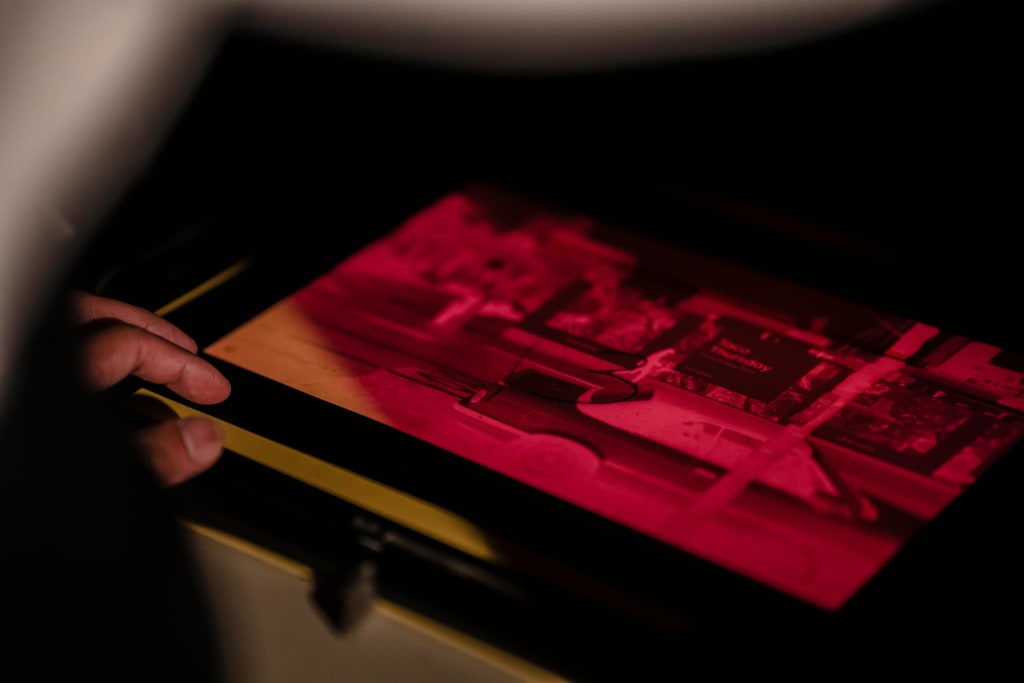
There's something magical about old film photographs. Unlike the endless stream of digital images we scroll past daily, film captures hold a weight and permanence that modern snapshots often lack. But here's the problem: film degrades. Those precious family photos, travel slides, and artistic negatives sitting in your closet are slowly fading away. Every year that passes, they lose a little more of their vibrancy, their detail, their essence.
This is where film scanning comes in. The process of converting physical film into high-quality digital files has become increasingly important as we recognize that our analog memories won't last forever. Whether you're looking to preserve family history or protect your artistic work, understanding what film scanning actually involves can help you make better decisions about protecting your irreplaceable images.
What Exactly Is Film Scanning?
Film scanning is the process of capturing a digital image from physical film, whether that's negatives, slides, or actual developed photographs. Unlike simply taking a picture of a photo with your phone, proper scanning uses specialized equipment to capture every detail the original film contains.
Think of it as translating an analog language into a digital one. The scanner illuminates the film from behind and uses sensitive sensors to record the light passing through it. This creates a digital file that preserves the colors, tones, and fine details of the original image.
The technology has come a long way from early scanning methods. Modern scanners can capture resolution levels that exceed what the human eye can see in a standard print. This means your scanned images often reveal details you never noticed in the original photographs.
Why Bother Scanning Old Film?
The most obvious reason is preservation. Film doesn't last forever. Color film, in particular, begins to fade within decades. Temperature fluctuations, humidity, and simple aging all take their toll. That vibrant sunset photo from your parents' honeymoon? It's probably already lost some of its original brilliance.
Beyond preservation, scanning makes your images accessible. Those boxes of slides in the attic are essentially invisible to modern life. Once scanned, they can be shared with family members across the country, included in digital albums, or even printed again with better quality than you could achieve in a darkroom.
There's also the matter of space. Physical film storage takes up room and requires careful environmental control. Digital files live on hard drives, in the cloud, or on backup systems. They don't yellow, crack, or stick together in humid weather.
How the Scanning Process Actually Works
Professional film scanning follows a careful workflow designed to extract maximum quality from your originals. First, the film must be cleaned. Dust and debris show up dramatically in scans, so technicians carefully remove any particles without damaging the delicate film surface.
Next comes the actual scanning. The film is positioned in the scanner with precise alignment. Professional scanners use high-quality optics and sensors that can capture incredible amounts of information. A single 35mm negative might be scanned at 4000 DPI or higher, creating a file suitable for large prints.
The raw scan then goes through processing. This isn't about changing the image but about optimizing it. Color correction brings faded hues back to life. Dust and scratch removal eliminates minor imperfections. Contrast and exposure adjustments ensure the digital version represents what the film originally captured.
Finally, the files are saved in appropriate formats. TIFF files preserve maximum quality for archival purposes, while JPEGs offer more manageable file sizes for everyday use and sharing.
The Benefits Go Beyond Simple Preservation
Once your film is scanned, possibilities open up that weren't available in the analog world. You can make unlimited copies without degradation. Each duplicate is identical to the original scan, unlike photocopies of prints that lose quality with each generation.
Editing capabilities become available too. Modern software lets you enhance old photos in ways that would have required expensive darkroom work. You can adjust exposure, remove red-eye, crop for better composition, or even restore damaged areas.
Sharing becomes effortless. Email those images to relatives. Post them on social media. Create digital slideshows for family gatherings. Your memories gain a new life in the digital realm where people actually spend their time.
And there's insurance value. If something happens to your physical film, the scans serve as a permanent backup. Fires, floods, and accidents can destroy irreplaceable originals, but digital files stored properly offer redundancy and safety.
Getting the Best Quality From Your Scans
If you're scanning film yourself or choosing a service, several factors affect the final quality. Resolution matters tremendously. For 35mm film, aim for at least 3000 DPI. Medium format film can use slightly lower resolution while still capturing all available detail.
File format makes a difference too. Always request TIFF files for archival storage, even if you plan to use JPEGs for everyday purposes. The uncompressed TIFF preserves every bit of information the scanner captured.
Don't over-correct during processing. It's tempting to pump up colors and contrast, but restraint produces more natural results. The goal is preserving what the film contains, not creating something entirely new.
Consider the source material's condition. Severely damaged film might benefit from professional restoration services after scanning. Sometimes the investment in expert help pays off when dealing with truly irreplaceable images.
Your Memories Deserve Better
Film scanning isn't just a technical process. It's about respecting the past while embracing the future. Those photographs represent moments that mattered, stories worth telling, and people worth remembering. Converting them to digital format ensures they'll survive for generations to come.
The photos gathering dust in your closet won't improve with age. Every day you wait is another day of deterioration. But with scanning, those memories can live on, vibrant and accessible, ready to be shared and enjoyed long after the original film has faded away.
About the Creator
The Icon
The Icon offers top-quality film developing, film scanning, and photo printing services. Film developing requires precision, attention to detail, and an understanding of the chemical processes involved. Minor variations in temperature
Keep reading
More stories from The Icon and writers in Photography and other communities.
Snapshots of a Wandering Mind
Sana had always seen the world differently. While others walked past unnoticed streets, ordinary trees, or quiet cafes, she noticed the light falling on a cracked wall, the shadow of a bird in mid-flight, the faint smile of a stranger lost in thought. Her camera was her companion, a bridge between what she saw and what others often overlooked.
By Sudais Zakwana day ago in Photography


Comments
There are no comments for this story
Be the first to respond and start the conversation.