
Portrait and Headshot Photography: Capturing the Essence of Individuals
Discover the art of portrait and headshot photography, from defining their purpose to mastering lighting techniques. Learn how to capture authentic expressions and enhance your subjects in this comprehensive guide.

Understanding Portrait Photography
Definition and Purpose
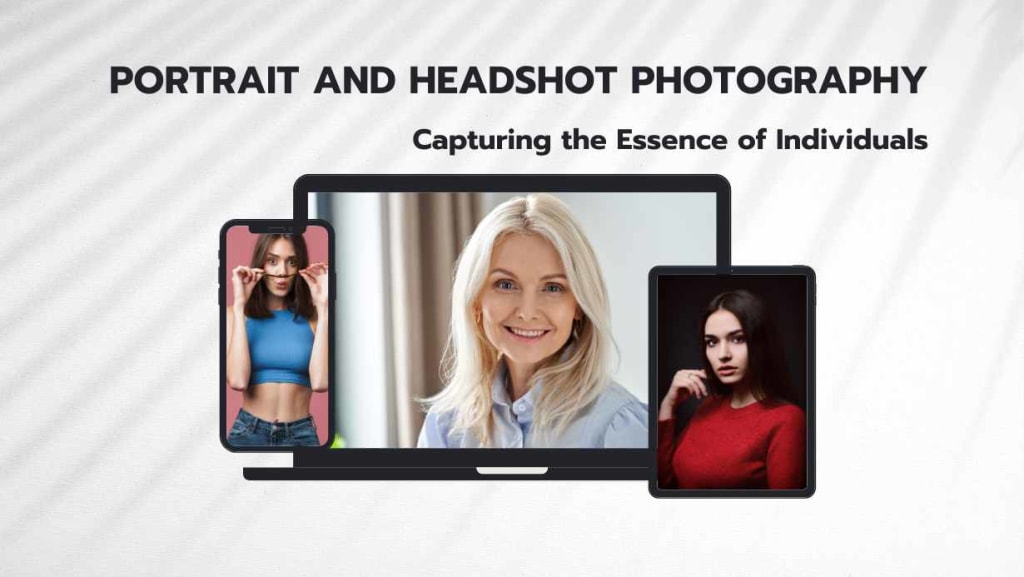
Portrait photography is the art of capturing a person or a group of people, focusing on their facial expressions, emotions, and personality traits. The primary purpose of portrait photography is to showcase the unique qualities of individuals and evoke a sense of connection and empathy in viewers. It is a powerful medium that allows us to freeze moments in time and create lasting memories.
Types of Portraits
There are various types of portraits, each serving a distinct purpose and capturing different aspects of a person's identity. Here are a few common types of portraits you may come across:
Traditional Portraits: These portraits typically feature the subject looking directly at the camera, showcasing their face, and often emphasizing their eyes. They are commonly used for formal purposes or to convey a sense of professionalism.
Environmental Portraits: This type of portrait incorporates the subject's surroundings, such as their workplace, favorite locations, or hobbies. It provides additional context and tells a story about the person's life and interests.
Candid Portraits: Candid portraits capture genuine and unposed moments, revealing the subject's natural expressions and emotions. They are great for capturing authenticity and spontaneity.
Lifestyle Portraits: Lifestyle portraits aim to capture individuals in their everyday lives, showcasing their personalities, hobbies, and routines. They often have a documentary-style feel, emphasizing the subject's interactions with their environment.
The Importance of Headshot Photography
Professional Applications
Headshot photography holds great significance in the professional world. A well-executed headshot can make a lasting impression on potential employers, clients, or collaborators. It is commonly used in various industries, including acting, modeling, corporate business, and social media branding. A professional headshot not only represents your appearance but also conveys your personality, professionalism, and approachability.
Personal Branding
In today's digital age, personal branding has become increasingly important. Headshot photography plays a crucial role in establishing and promoting your personal brand. Your headshot serves as the visual representation of your identity and can be used across different platforms such as social media profiles, websites, and professional portfolios. A well-crafted headshot that showcases your authenticity and professionalism can help you make a strong and memorable impression on your target audience.
Essential Equipment for Portrait and Headshot Photography
To capture stunning portraits and headshots, it is essential to have the right equipment. Here are the key components you need to consider:
Cameras and Lenses
Investing in a good-quality camera and lenses is crucial for achieving high-quality results. A camera with manual controls and a larger image sensor will provide more control over the final output. When it comes to lenses, prime lenses with wider apertures (such as 50mm f/1.8 or 85mm f/1.4) are popular choices as they offer excellent sharpness and allow for beautiful background blur, also known as bokeh.
Lighting Equipment
Proper lighting is essential for creating well-lit and flattering portraits. Depending on your budget and shooting preferences, you can choose between natural light, artificial light, or a combination of both. Natural light photography utilizes the available ambient light, while artificial light setups involve the use of strobes, continuous lights, or speedlights. Light modifiers such as softboxes, umbrellas, and reflectors help control the quality and direction of light.
Backgrounds and Props
The choice of background and props can significantly impact the overall look and feel of your portraits. Solid-colored backdrops, textured walls, or natural outdoor environments can provide a clean and visually appealing background. Props can be used creatively to add interest and personality to the composition, but be cautious not to overwhelm the main subject.
Setting Up the Perfect Shot
Creating an engaging and visually appealing portrait requires careful consideration of several factors. Here are some key elements to focus on:
Location Selection
The choice of location sets the mood and context for your portraits. Consider whether an indoor studio, an outdoor environment, or a specific setting aligns with the desired outcome. Each location offers its own unique ambiance, lighting conditions, and creative opportunities.
Composition and Framing
Compose your shots thoughtfully to create a visually pleasing image. Pay attention to the rule of thirds, leading lines, and the balance between the subject and the surrounding elements. Experiment with different angles, perspectives, and framing techniques to add depth and interest to your portraits.
Posing Techniques
Guide your subjects through various poses to find the most flattering and natural positions. Communicate clearly and provide gentle direction to help them feel comfortable and confident. Encourage them to express their emotions and unique personalities during the shoot. Remember that capturing genuine moments and expressions often results in the most impactful portraits.
Mastering Lighting for Portraits and Headshots
Lighting is one of the most critical aspects of portrait and headshot photography. It can dramatically enhance or detract from the overall quality of the image. Let's explore different lighting techniques:
Natural Light Photography
Utilizing natural light can create soft and flattering portraits. Shooting during the golden hour (the first hour after sunrise or the last hour before sunset) provides beautiful warm tones and a gentle, diffused light. Positioning your subject near windows or shooting outdoors in shaded areas can also produce pleasing results.
Artificial Light Techniques
Using artificial lighting gives you full control over the intensity, direction, and quality of light. Studio setups often involve strobes or continuous lights with light modifiers like softboxes, umbrellas, or beauty dishes. Experiment with different lighting positions, such as Rembrandt lighting, butterfly lighting, or split lighting, to achieve desired effects and create dimension in your portraits.
Controlling Shadows
Understanding how shadows interact with the subject is crucial in portrait photography. Shadows can add depth and shape to an image, but they should be controlled to avoid harsh or unflattering results. Reflectors, fill lights, and the careful placement of main lights can help fill in shadows and create a more balanced and pleasing look.
Post-Processing and Retouching
Post-processing is an essential step in bringing your portraits to life. Here are some considerations for effective post-processing:
Editing Software
Choose a reputable photo editing software that suits your needs. Adobe Lightroom and Photoshop are popular choices among photographers due to their versatility and advanced editing capabilities. Experiment with different adjustments, such as exposure, contrast, color grading, and selective retouching, to enhance your portraits' overall look and mood. Get headshot retouching service.
Enhancing Skin and Features
When retouching portraits, it's important to strike a balance between enhancing the subject's features and maintaining their natural appearance. Use tools like spot healing brushes, frequency separation, and dodge and burn techniques to address skin blemishes, smooth skin textures, and emphasize the subject's best features. Aim for a polished and authentic look while avoiding an overly airbrushed or artificial result.
Maintaining Authenticity
While post-processing can enhance portraits, it's crucial to preserve the authenticity of the subject. Avoid excessive manipulation that drastically alters the person's appearance or creates unrealistic outcomes. Retain the character, imperfections, and individuality of the subject, as these elements contribute to the uniqueness and relatability of the portrait.
Building Rapport with Your Subjects
Establishing a positive and comfortable rapport with your subjects is vital for capturing their true essence. Consider the following tips:
Communication and Direction
Clear and effective communication is key to helping your subjects feel at ease. Explain your vision, provide guidance on poses and expressions, and offer encouraging feedback throughout the shoot. Create an open and collaborative environment where your subjects feel comfortable expressing themselves.
Creating a Comfortable Environment
Creating a relaxed atmosphere can make a significant difference in the quality of your portraits. Play music, engage in friendly conversation, or offer refreshments to help your subjects feel more comfortable and relaxed. A positive and enjoyable experience will reflect in their expressions and overall energy during the shoot.
Tips for Successful Portrait and Headshot Sessions
To ensure successful portrait and headshot sessions, keep these tips in mind:
Choosing the Right Wardrobe
Encourage your subjects to choose clothing that reflects their personality, aligns with the purpose of the shoot, and flatters their body shape. Simple, solid-colored outfits often work well, as they draw attention to the subject's face and minimize distractions. Avoid busy patterns or logos that may distract from the main focus.
Directing Expressions and Emotions
Guide your subjects in expressing genuine emotions and capturing their true personalities. Encourage them to relax, laugh, or think about something that brings out natural expressions. Prompt them with questions or scenarios that evoke specific emotions or moods, creating a dynamic range of expressions in your portraits.
Capturing Authentic Moments
Keep an eye out for candid moments that reflect the subject's personality and unique traits. These unposed shots can often result in the most powerful and authentic portraits. Be ready to capture fleeting moments of laughter, introspection, or interaction, as they can add depth and storytelling to your images.
Conclusion
Portrait and headshot photography is a captivating art form that allows us to capture the essence and individuality of people. By understanding the purpose of portraits, mastering lighting techniques, and building rapport with your subjects, you can create compelling andmeaningful images. Remember to choose the right equipment, set up the perfect shot, and utilize post-processing techniques to enhance your portraits while maintaining authenticity. Whether you're capturing professional headshots or personal portraits, the key lies in creating a comfortable environment where your subjects can express themselves naturally. Embrace the artistry of portrait photography and let your creativity shine through your lens.
FAQs
What is the best camera for portrait photography?
The best camera for portrait photography is one that allows you to have full manual control over settings and has a larger image sensor for better image quality. Some popular choices include DSLR cameras like the Canon EOS 5D Mark IV and Nikon D850, as well as mirrorless cameras like the Sony Alpha A7 III.
Do I need a professional studio for portrait photography?
While having access to a professional studio can offer controlled lighting and a variety of backdrops, it is not necessary for portrait photography. You can achieve stunning results using natural light or by creating a makeshift studio in your own home with a few basic lighting equipment and a plain backdrop.
How do I make my subjects feel comfortable during a photoshoot?
Building rapport with your subjects is essential to make them feel at ease during a photoshoot. Communicate clearly, provide direction and encouragement, and create a relaxed environment. Engage in friendly conversation, play music, and offer guidance on posing and expressions to help your subjects feel more comfortable and confident.
What are some common post-processing techniques for portraits?
Common post-processing techniques for portraits include adjusting exposure, contrast, and color balance, retouching skin imperfections, and enhancing details. You can also experiment with creative editing styles like black and white conversions or adding a subtle vignette to draw attention to the subject.
How do I capture authentic expressions in portraits?
To capture authentic expressions, create a comfortable and relaxed atmosphere during the photoshoot. Engage your subjects in conversation, encourage them to express genuine emotions, and prompt them with questions or scenarios that evoke specific moods. Be patient and ready to capture candid moments that reflect their true personalities.
Remember, portrait and headshot photography is a creative journey that requires practice, experimentation, and the willingness to connect with your subjects on a deeper level. Embrace the process, keep learning, and let your passion for capturing the essence of individuals shine through your work.
About the Creator
MD Samiul Islam
I'm a photographer based in the Dallas/Fort Worth area. With over Five years of experience, I have the knowledge and expertise to capture memories that will last a lifetime.
Keep reading
More stories from MD Samiul Islam and writers in Photography and other communities.
Unveiling the Artistry: Exploring the Captivating World of Photography and Retouching
Photography is a captivating art form that allows us to freeze moments in time and express our creativity. From capturing breathtaking landscapes to immortalizing the beauty of people and animals, photography has a wide range of genres to explore. Additionally, the process of retouching plays a crucial role in enhancing the captured images, bringing out their true potential. In this article, we will delve into the different types of photography and explore the art of retouching.
By MD Samiul Islam3 years ago in Photography
My Year, in Prattling and Photos
It's been a year since... last year. Ironically, it seems I've found myself a new tradition of getting sick during the New Year holidays. At least, this year (that is, this inter-year period remarkable for its shiny decorations in the streets and houses, and closed supermarkets and pretty much everything), I'm doubtlessly doing better: I've managed to come visit my friends in Germany for Christmas (which I failed to do last year) and—after having some good quality time eating machanka, playing Munchkin and swinging machetes (the last one obviously crept into this checklist only for the sake of the phonological form)—I came back home via proverbial Deutche Bahn and probably less known Schweizerische Bundesbahnen, my body hosting a family of viruses, virions and who knows what other tiny critters somewhere inside my chest.
By Andrei Z.19 days ago in Photography
A Lifetime of Shakas
For more than three decades as a part-time freelance news and sports photographer in Hawaiʻi, I’ve captured countless moments across the islands — and a few on the mainland. Along the way, almost without realizing it, I built an ever-growing photo archive of people flashing the shaka sign.
By Tim Wrightabout 8 hours ago in Photography


Comments
There are no comments for this story
Be the first to respond and start the conversation.